Feast of the Visitation: meaning, date, and traditions
Feast of the Visitation: meaning, date, and traditions
The Feast of the Visitation celebrates Mary’s visit to her relative Elizabeth after the Annunciation. In the Roman Catholic calendar, it is observed on May 31, although some traditional calendars keep the older date of July 2.
The feast is based on Luke 1:39–56. Mary travels to Elizabeth, Elizabeth recognizes the blessing of Mary and her unborn child, and Mary responds with the prayer known as the Magnificat. The celebration highlights faith, joy, humility, the work of the Holy Spirit, and love expressed through practical service.
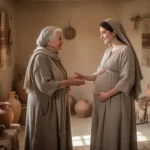
The Visitation takes place shortly after the angel Gabriel announces that Mary will become the mother of Jesus. Gabriel also tells Mary that Elizabeth, despite her advanced age, is expecting a child. Mary then goes to the hill country of Judea to visit Elizabeth and assist her during the later months of her pregnancy.
Luke describes the meeting as a moment of immediate recognition. When Elizabeth hears Mary’s greeting, the child in Elizabeth’s womb moves. Elizabeth is filled with the Holy Spirit and identifies Mary as the mother of her Lord. Her words form the biblical foundation of part of the Hail Mary, particularly the greeting that Christians repeat when asking Mary to pray for them.
The unborn child is John the Baptist, who will later prepare people to receive Jesus. His movement in the womb is presented as a sign of joy and recognition. The scene therefore connects two important figures before either child is born: Jesus, the Messiah, and John, his prophetic forerunner.
Mary does not visit Elizabeth to seek attention or praise. She goes because another woman needs companionship and help. The account presents her journey as an act of loving service, while also showing that Mary carries a unique spiritual responsibility. Her faith is active, personal, and directed toward another person’s good.
Central idea: The Visitation joins contemplation and service. Mary carries Christ within her, yet her response is not withdrawal; she goes to meet Elizabeth with presence, assistance, and shared joy.
When the Feast of the Visitation is celebrated
In the Roman Catholic calendar, the Feast of the Visitation is celebrated on May 31. The date places it after the Solemnity of the Annunciation on March 25 and near the celebration of the Nativity of John the Baptist on June 24. This arrangement follows the order of events in Luke’s Gospel and connects the two pregnancies in the biblical story.
The feast was formerly observed on July 2 in the Roman calendar. The date was changed during the post–Second Vatican Council revision of the calendar and took effect with the revised Roman calendar in 1969. Many communities that use older liturgical calendars, including some traditional Catholic groups, continue to observe the Visitation on July 2.
Other Christian traditions may remember the event on different dates or within a broader celebration of Mary and Elizabeth. Anglican and Lutheran calendars, for example, can have their own observance dates and liturgical practices. If you are checking a parish service, prayer book, or church calendar, the local tradition determines the exact date and form of worship.
The feast can sometimes be affected by a Sunday or another celebration with higher liturgical rank. A parish may therefore transfer the observance or mark it in another way when the date coincides with a more important solemnity. The church calendar used by that parish provides the most reliable schedule.
Why the date changed from July 2 to May 31
The older July 2 date followed the traditional sequence after the Nativity of John the Baptist. The newer May 31 date places the Visitation between the Annunciation and the birth of John, emphasizing the narrative progression in Luke: Mary receives the message, visits Elizabeth, and later gives birth to Jesus.
The change also keeps the feast within the period associated with the mysteries of the Incarnation. It gives the event a clear place between two major celebrations: the Annunciation, when Mary accepts her vocation, and the Nativity of John the Baptist, whose life points toward Christ.
What Luke’s Gospel reveals about Mary and Elizabeth
The Gospel account is brief, but each person’s response carries theological meaning. Mary leaves promptly after receiving the angel’s message. Her movement suggests willingness and concern, not reluctance. She brings the news of God’s action into Elizabeth’s home, where both women interpret their experiences through faith.
Elizabeth’s greeting is both personal and prophetic. She recognizes Mary as “the mother of my Lord,” a title that identifies the child Mary carries. She also calls Mary blessed because she believed that God’s promise would be fulfilled. The emphasis is not on status or privilege alone; it is on trust in God’s word.
Mary’s response is the Magnificat, a hymn of praise named after its opening Latin word, which means “magnifies.” The prayer gives thanks to God for looking with favor on his humble servant. It then recalls God’s mercy, power, faithfulness, and concern for people who are poor or overlooked.
The Magnificat also speaks of a reversal of ordinary human expectations. The proud are brought low, the powerful are challenged, and the lowly are lifted up. The hungry receive good things, while those who rely on wealth and self-sufficiency are shown the limits of their security. Mary’s prayer presents God’s salvation as both personal and social.
Luke’s account gives equal dignity to two women whose experiences might otherwise have remained private. Elizabeth’s pregnancy is long-awaited, and Mary’s pregnancy is surrounded by mystery and uncertainty. Their meeting creates a space where both can speak honestly, recognize God’s work, and strengthen one another.
Mary models faith that moves toward another person in need.
Elizabeth models generous recognition rather than envy or suspicion.
John represents joy at the presence of Christ even before birth.
The Magnificat expresses praise, humility, justice, and confidence in God’s promises.
The Visitation also shows that Christian joy does not require an easy situation. Both women face uncertainty. Mary is carrying a child under circumstances others may not understand, while Elizabeth has experienced years of infertility and now faces a late pregnancy. Their joy comes from recognizing God’s presence, not from ignoring the difficulties around them.
Why the Magnificat matters on this feast
The Magnificat is the central prayer associated with the Visitation. Mary does not describe herself as the source of the blessings she has received. Instead, she directs attention to God’s holiness and mercy. Her praise begins with what God has done and expands into a vision of how God treats generations, the humble, the hungry, and those who depend on him.
The prayer has a strong connection with the Church’s daily worship. In the Liturgy of the Hours, the Magnificat is traditionally prayed during Evening Prayer. It also appears in many services, devotional practices, and musical settings. On the Feast of the Visitation, hearing or praying it can help worshipers connect Mary’s personal response with the wider mission of the Church.
Several themes make the Magnificat especially fitting for this celebration:
Gratitude: Mary responds to God’s action with praise rather than self-congratulation.
Humility: She acknowledges her lowliness and receives her vocation as a gift.
Mercy: She remembers God’s faithful compassion across generations.
Justice: She proclaims God’s concern for the poor and the reversal of unjust human priorities.
Hope: She trusts that God will fulfill promises made to Abraham and his descendants.
Praying the Magnificat can also correct a narrow understanding of humility. Biblical humility does not mean pretending that nothing good has happened or refusing to accept responsibility. Mary names the great thing God has done for her, but she attributes its source to God. Her humility is truthful, grateful, and courageous.
Mary’s praise turns a private blessing into a proclamation of God’s mercy for the whole people.
The prayer also gives the feast a public dimension. The Visitation is not only about two relatives sharing personal news. It announces that God’s saving work has implications for the poor, the powerful, the overlooked, and future generations. Worshipers are invited to let praise reshape how they see both God and their neighbors.
How Catholics celebrate the Feast of the Visitation
Parishes commonly celebrate the feast through Mass or another liturgical service using readings connected with Luke’s account. The exact readings and prayers depend on the calendar and rite being used. The liturgical color is generally white, reflecting joy and the celebration of Christ’s presence, though local rules govern the details.
A homily may focus on Mary’s prompt service, Elizabeth’s welcome, the role of the Holy Spirit, or the social concerns expressed in the Magnificat. Some communities connect the feast with ministries serving pregnant women, mothers, children, immigrants, people experiencing poverty, or anyone who needs companionship during a vulnerable period.
Many Catholics also mark the day through personal prayer. Useful practices include reading Luke 1:39–56 slowly, praying the Rosary, reciting the Magnificat, or asking for the grace to recognize Christ in ordinary encounters. The purpose is not to recreate the biblical scene artificially, but to imitate its pattern of faith, welcome, and generous action.
Families can observe the feast without elaborate preparations. They might light a candle during the Magnificat, share a meal with someone who lives alone, contact an expectant mother, or bring practical help to a family with young children. A simple act is appropriate because the Gospel presents Mary’s service as direct and concrete.
Attend Mass or a prayer service if one is available.
Read the Visitation account in Luke 1:39–56.
Pray the Magnificat slowly, pausing over its themes of mercy and justice.
Visit, call, or assist someone who may be isolated or overwhelmed.
Support a local ministry serving mothers, children, or families in need.
Ask how your community can welcome people who feel unseen or excluded.
Music can also play a role. Churches have set the Magnificat to many forms of sacred music, from simple chant to choral compositions. Listening or singing can draw attention to the movement of the prayer: personal gratitude grows into praise of God’s mercy and concern for the vulnerable.
What the Visitation teaches about Christian service
Mary’s journey provides a practical image of discipleship. She does not wait for Elizabeth to make the first move, and she does not treat her own spiritual experience as a reason to avoid ordinary responsibilities. She travels, enters another person’s home, offers companionship, and remains with Elizabeth for a period of time.
This pattern challenges forms of religious practice that remain entirely inward. Prayer matters, but the Visitation shows prayer becoming attention to another person. Mary’s relationship with God leads her toward hospitality, not away from human needs.
Elizabeth offers a complementary lesson. She welcomes Mary without rivalry. She recognizes the grace given to another person and celebrates it freely. Her response shows how communities can become healthier when people practice encouragement instead of comparison.
The feast is especially meaningful for people who accompany others through pregnancy, childbirth, illness, grief, or major transitions. Elizabeth and Mary do not solve every uncertainty during their meeting. They share presence, faith, and words that help each other continue.
Christian service inspired by the Visitation should be respectful and practical. It may involve listening without taking control, preparing a meal, providing transportation, helping with children, offering financial support through a trusted organization, or simply remembering someone consistently. Service is strongest when it responds to an actual need rather than to an imagined one.
A practical question for the feast: Whom can you visit, call, welcome, or assist in a way that gives them more dignity and less isolation?
The Visitation also has a message for church communities. A parish should be a place where people can bring both joy and uncertainty, as Mary and Elizabeth did. That requires attentive hospitality, protection for vulnerable people, support for families, and respect for those whose circumstances are complicated or painful.
At the same time, the feast should not be used to pressure people into sharing private information or meeting expectations about pregnancy and family life. Its deeper message is God’s presence, mutual care, and faithful hope. People who have experienced infertility, miscarriage, loss, or difficult family circumstances may approach the feast with mixed emotions and deserve compassionate space.
How the Feast of the Visitation connects with the Rosary
The Visitation is the second Joyful Mystery of the Rosary. In that mystery, Catholics meditate on Mary’s meeting with Elizabeth and the joy that surrounds the coming of Christ. The Rosary does not replace the Gospel account; it helps worshipers remain with its central images and consider how they apply to their own lives.
When praying this mystery, you might reflect on Mary’s willingness to travel, Elizabeth’s welcome, John’s joy, or the Holy Spirit’s role in helping people recognize God’s work. You can also pray for expectant parents, children, families under strain, and people who need a supportive visit.
The mystery invites a movement from awareness to action:
Notice where God may be present in an ordinary relationship.
Recognize someone else’s dignity and needs.
Offer a concrete form of help without demanding attention in return.
Give thanks for signs of grace, even when circumstances remain unfinished.
The Feast of the Visitation therefore offers more than a date on the church calendar. It brings together the Incarnation, the Holy Spirit, biblical praise, the dignity of women’s witness, and the call to serve with humility. Mary carries Christ to Elizabeth, Elizabeth receives her with faith, and their meeting becomes a lasting sign of joy shared through faithful presence.
Frequently asked questions
Is the Feast of the Visitation a holy day of obligation?
No. In the Roman Catholic Church, the Feast of the Visitation is generally not one of the universal holy days of obligation. Catholics may still attend Mass, join a parish celebration, or observe the day through prayer and service. Local dioceses or particular churches can have additional customs, so a parish calendar is the best source for local arrangements.
Why is the Visitation sometimes celebrated on July 2?
July 2 is the traditional date used before the Roman Catholic calendar was revised in the late 1960s. The revised calendar moved the feast to May 31 to place it between the Annunciation and the Nativity of John the Baptist. Churches and communities that follow older calendars may continue to observe July 2.
What is the difference between the Visitation and the Annunciation?
The Annunciation is the event in which the angel Gabriel tells Mary that she will become the mother of Jesus, and Mary accepts God’s call. The Visitation happens afterward, when Mary travels to see Elizabeth. It focuses on their meeting, Elizabeth’s recognition of Jesus, and Mary’s prayer of praise, the Magnificat.
How can someone observe the feast at home?
Read Luke 1:39–56, pray the Magnificat or the second Joyful Mystery, and reflect on someone who may need encouragement or practical help. You could call an isolated person, prepare food for a family, assist an expectant parent, or support a trusted community ministry. The most fitting observance combines prayer with generous attention to another person.











Leave a Reply