When Easter arrives, you may find yourself asking what Christians are really celebrating beyond eggs, flowers, and a spring holiday. The Christian meaning of Easter is the celebration of Jesus Christ’s resurrection from the dead after his crucifixion. Christians believe this event confirms Jesus’ identity, defeats the power of sin and death, and opens the way to new life with God.
Easter is the central celebration of the Christian faith. Christmas marks Jesus’ birth, but Easter focuses on what Christians believe his death and resurrection accomplished. The holiday is not mainly about seasonal renewal or family customs. It is about God’s saving work through Jesus and the hope that death does not have the final word.
According to the New Testament accounts, Jesus was arrested, condemned, crucified, and placed in a tomb. On the third day, his followers found the tomb empty and encountered him alive. The four Gospels describe the resurrection with different details, but each presents it as the decisive event at the heart of Christian belief.
Christians understand the resurrection as more than a symbol of courage or a story about hope surviving hardship. They believe God physically raised Jesus from the dead. This belief is why Easter is a feast of worship rather than simply a remembrance of a respected teacher who died.
At the center of Easter: Christians celebrate that Jesus died, was buried, and rose again, bringing forgiveness, reconciliation with God, and the promise of resurrection life.
The apostle Paul presents this conviction in 1 Corinthians 15, explaining that Christian faith depends on the resurrection. If Jesus had not been raised, Christian preaching and faith would be empty, he argues. For Christians, Easter therefore concerns both a historical claim about Jesus and the meaning of that claim for every believer.
How the Easter story unfolds
The Easter story is connected to the final days of Jesus’ earthly ministry. Reading the events in order helps show why Christians observe several different days before Easter Sunday.
Palm Sunday: Christians remember Jesus entering Jerusalem while crowds welcomed him. The event is described in Matthew 21, Mark 11, Luke 19, and John 12.
Holy Thursday: Many churches remember Jesus’ final meal with his disciples, his service to them, and his prayer before his arrest. The Last Supper is especially significant for Christian Communion or the Eucharist.
Good Friday: Christians observe Jesus’ crucifixion and death. Worship services often focus on his suffering, his obedience, and the seriousness of sin.
Holy Saturday: This quiet day recalls Jesus’ burial and the disciples’ grief while they waited.
Easter Sunday: Christians celebrate the resurrection and proclaim that Jesus is alive.
Not every church uses the same services or names, but the sequence points to one connected story. The cross and the empty tomb belong together: Easter joy does not erase the suffering of Good Friday, and Good Friday is not the last chapter of the Christian message.
Why Jesus’ resurrection matters to Christians
Christians attach several connected meanings to the resurrection. These meanings are not separate theories competing with one another. Together, they explain why Easter stands at the center of Christian worship and theology.
The resurrection confirms who Jesus is
During his ministry, Jesus spoke and acted with unique authority. He announced God’s kingdom, forgave sins, healed people, and called himself the Messiah. The resurrection is understood as God’s confirmation of Jesus’ identity and mission.
Romans 1 connects Jesus’ resurrection with his identity as the Son of God. Acts also presents the resurrection as God’s public vindication of the one who was rejected and executed. From this perspective, Easter says that the cross was not Jesus’ defeat and that his claims cannot be dismissed as those of an ordinary religious teacher.
The resurrection shows that death has been defeated
Death is one of the deepest human fears, and Christian teaching treats it as more than a natural inconvenience. Scripture connects death with the brokenness of creation and the presence of sin. Easter announces that death is a defeated enemy, even though Christians still experience physical death in the present age.
Jesus’ resurrection is understood as the beginning of a future resurrection for his people. First Corinthians 15 describes Christ as the first portion of a larger harvest, meaning that his resurrection points forward to the resurrection of those who belong to him. Christians therefore face death with grief, but not with the belief that death is ultimate.
The New Testament connects Jesus’ death with forgiveness and reconciliation. Christians believe Jesus willingly gave himself for sinners, bearing the consequences of sin and making peace between humanity and God. The resurrection demonstrates that this saving work was accepted and completed.
Different Christian traditions explain the cross using several related ideas, including sacrifice, substitution, victory over evil, and the revelation of God’s love. They share the conviction that Jesus’ death and resurrection restore the relationship between God and people. Easter is therefore a celebration of grace rather than human achievement.
The resurrection creates new life now
Easter hope is not limited to what happens after death. Christians believe the risen Jesus changes how believers live in the present. Through faith and the work of the Holy Spirit, people can turn from sin, receive forgiveness, and grow into a new way of life shaped by love, holiness, and service.
Romans 6 uses baptism to describe this change: believers are united with Jesus in his death and resurrection so they can live differently. The image is not merely self-improvement. It points to a new identity received through union with Christ.
How Easter connects with Passover
The events of Jesus’ death and resurrection took place during the Jewish festival of Passover. The Gospels connect Jesus’ final meal, crucifixion, and the surrounding events with Jerusalem’s Passover season. This connection gives Easter much of its biblical meaning.
Passover remembers how God rescued the Israelites from slavery in Egypt, as described in Exodus. The story includes judgment, deliverance, sacrifice, and the beginning of a new life as a people freed to serve God. Early Christians saw Jesus’ death as the fulfillment of this pattern of deliverance.
Paul refers to Christ as the Passover sacrifice in 1 Corinthians 5. Christians understand Jesus as bringing a deeper rescue: not release from one political power, but deliverance from sin, alienation from God, and the power of death. The resurrection then reveals the result of that rescue.
Passover and Easter are connected but not identical: Passover is a Jewish festival rooted in Israel’s exodus from Egypt, while Easter is the Christian celebration of Jesus’ death and resurrection during the Passover season.
What the cross means alongside the empty tomb
It can be tempting to focus only on Easter Sunday’s celebration and avoid the painful events that precede it. Christian worship keeps both realities together because the resurrection cannot be separated from the cross. Jesus rises as the one who was crucified.
The cross communicates the seriousness of sin and the depth of God’s love. Christians believe Jesus accepted suffering rather than abandoning his mission. John 3:16 is often cited in this context because it presents God’s gift of his Son as an expression of love for the world; the meaning can be understood without treating the verse as a claim that suffering itself is good.
The cross also challenges common ideas about power. Jesus does not conquer through military force or social status. In the Christian understanding, God brings salvation through the self-giving love seen in Jesus’ obedience. The empty tomb declares that this apparent weakness has been overturned by God.
What the empty tomb means in the Gospel accounts
Each Gospel describes women coming to Jesus’ tomb and finding that the stone has been moved and the body is absent. They receive the message that Jesus has risen. The accounts then describe appearances to disciples and, in some cases, to other followers.
The women’s role is significant within the narratives because they are presented as the first witnesses to the empty tomb and the first people sent to tell others. The disciples initially struggle to believe the report. Their confusion and fear show that the resurrection was not treated as an expected event that required no explanation.
The Gospel accounts emphasize both the empty tomb and personal encounters with the risen Jesus. Christianity is not based only on an inspiring idea that Jesus’ teachings continued. It is based on the claim that God raised him and that his followers encountered him after his death.
How Christians celebrate Easter
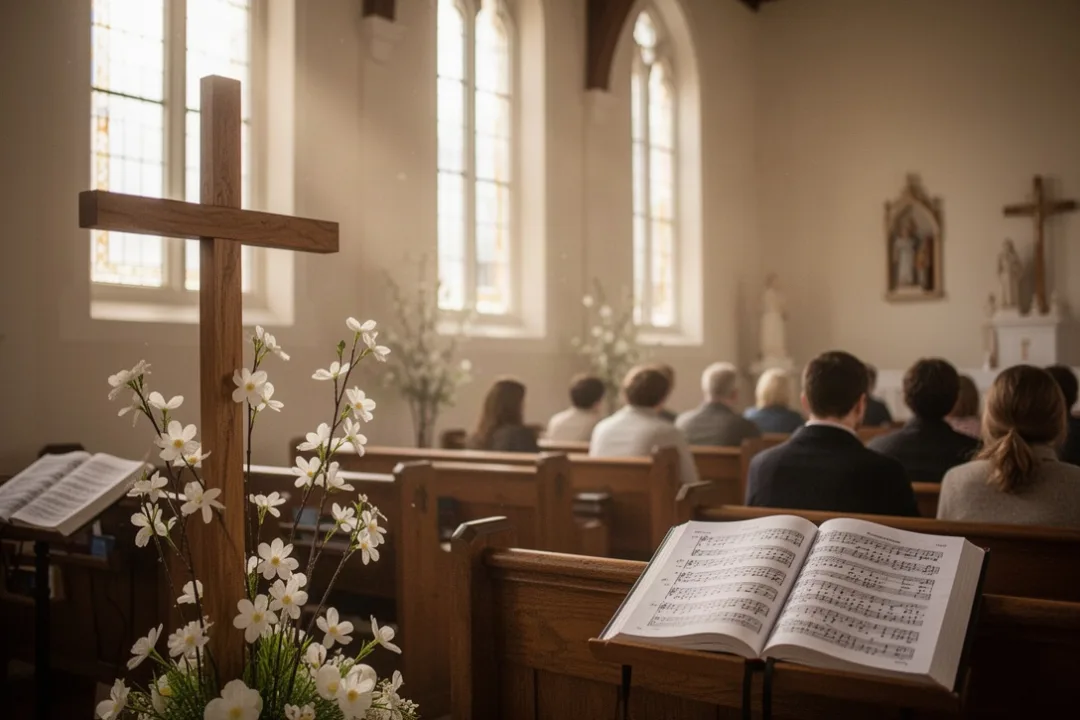
Churches express Easter faith through worship, Scripture, music, prayer, baptism, and the Lord’s Supper. Practices differ across denominations and cultures, but the central message remains the same: Jesus Christ is risen.
Easter worship: Services often include readings from the resurrection accounts, joyful music, preaching, prayer, and a renewed confession of faith.
Communion or Eucharist: Many Christians receive bread and wine or juice as a remembrance and proclamation of Jesus’ death and resurrection.
Baptism: Easter has traditionally been associated with baptism because baptism represents dying and rising with Christ.
Renewal of baptismal promises: Some churches invite worshipers to reaffirm their commitment to follow Jesus.
Fasting and preparation: The season of Lent prepares many Christians for Easter through repentance, prayer, generosity, and self-denial.
Community meals and service: Families and congregations may share food, visit people who are isolated, or support those in need as expressions of resurrection life.
Common customs such as Easter eggs, new clothes, lilies, and sunrise services can carry different meanings. Eggs may suggest new life, flowers may represent beauty after winter, and sunrise worship may recall the early morning discovery of the empty tomb. These customs are secondary to the Christian message and are not required to celebrate Easter faithfully.
Why the date of Easter changes each year
Easter does not fall on the same calendar date every year because its date is linked to the spring full moon and the Christian calendar. In general, Western churches celebrate Easter on the first Sunday after the first full moon on or after the spring equinox, using established calendar rules.
Eastern Orthodox churches may celebrate Easter on a different date because they use different calendar calculations and follow traditions concerning the relationship between Easter and Passover. The varying dates do not represent different beliefs about the resurrection. They reflect different methods for setting the feast day.
The date can fall between late March and late April in Western Christianity. Lent, Holy Week, and other related observances move with it. Christmas remains on a fixed date, but Easter belongs to a moveable cycle of feasts.
What Easter means for personal faith
For an individual Christian, Easter begins with God’s action and leads to a response of faith. The resurrection is not simply information to acknowledge. It calls people to trust Jesus, receive forgiveness, and live as members of a renewed community.
The resurrection also gives Christians a way to understand suffering. Easter does not promise that believers will avoid illness, injustice, grief, or loss. Instead, it declares that suffering and death do not determine the final outcome for those who belong to Christ. The pattern of Good Friday followed by Easter offers hope grounded in God’s power to redeem.
That hope should not become a reason to ignore present pain. Christian Easter faith leads toward compassion, justice, patience, and practical care for others. Because Christians believe God has brought life out of death, they are called to protect life, serve neighbors, forgive, and resist despair.
Questions Easter invites believers to consider
Do I believe Jesus is risen, or have I reduced him to a teacher from the past?
Where do I need forgiveness or reconciliation with God?
What old habits or attitudes need to be left behind?
How can resurrection hope shape the way I respond to grief?
Where can I serve someone who is lonely, vulnerable, or in need?
These questions do not turn Easter into a self-help exercise. They connect the resurrection to everyday decisions. Christian belief says that the risen Christ is present with his people, and that his resurrection creates a community marked by faith, love, and hope.
How Easter differs from spring and secular traditions
Easter takes place during spring in the Northern Hemisphere, so seasonal images often surround the holiday. New flowers, bright colors, eggs, rabbits, and family gatherings can be meaningful cultural traditions, but they do not explain the Christian doctrine of Easter.
The Christian message is specific: Jesus was crucified and raised from the dead. Spring may provide a fitting natural setting for symbols of renewal, but the resurrection does not mean that nature’s yearly cycle and Jesus’ rising are the same event. Christian Easter hope rests on God’s action in Jesus, not on the assumption that every new season automatically brings spiritual renewal.
Families can enjoy secular customs while keeping the center of the holiday clear. Reading a Gospel resurrection account, attending worship, praying together, helping someone in need, or sharing the meaning of Easter with children can connect celebration to its Christian foundation.
What Easter promises about the future
Christian hope reaches beyond the present life. The resurrection of Jesus is understood as the beginning of God’s future renewal of creation. New Testament passages such as 1 Thessalonians 4 and Revelation 21 describe resurrection, the gathering of God’s people, the defeat of death, and a restored creation.
Christians differ over some details of end-times teaching, but the central promise is widely shared: God will ultimately make all things new, and those who belong to Christ will share in resurrection life. Easter points forward as well as backward. It remembers what God did and anticipates what God will do.
That future hope changes the meaning of the present. Christian service is not pointless, grief is not ignored, and acts of love matter even when results are not immediate. Because Jesus is risen, believers can work faithfully while trusting that God’s purposes reach beyond what they can see.
How to explain the Christian meaning of Easter simply
A short explanation can remain both accurate and meaningful: Easter is the Christian celebration of Jesus’ resurrection after his crucifixion. Christians believe his resurrection shows that he is the Son of God, provides forgiveness and reconciliation, defeats death, and promises new life to those who trust him.
If you are explaining Easter to a child, begin with the sequence rather than abstract theology: Jesus died, his friends placed him in a tomb, and God raised him to life. Then explain that Christians celebrate because Jesus is alive and because his resurrection gives hope, forgiveness, and the promise that death will not have the final victory.
For someone unfamiliar with Christianity, it helps to distinguish between the symbols surrounding Easter and the belief at its center. Eggs and flowers can represent new life, but the Christian claim is about a particular person and event: Jesus Christ rose from the dead.
Easter’s meaning is therefore both personal and universal within Christianity. It announces what Christians believe God has done through Jesus and invites people to respond with faith, repentance, worship, and a life shaped by resurrection hope.
Frequently asked questions
Is Easter more important than Christmas for Christians?
Yes. Christmas celebrates Jesus’ birth, but Easter commemorates his death and resurrection, which Christians regard as the central events of salvation. Without the resurrection, the Christian message would lack its foundation. Christmas remains an important feast, but Easter is the defining celebration of Christian faith because it proclaims Jesus’ victory over sin and death.
Do all Christians celebrate Easter in the same way?
No. Roman Catholic, Protestant, Eastern Orthodox, and other Christian communities use different calendars, services, music, fasting practices, and customs. Some emphasize a sunrise service, while others focus on a formal liturgy or family worship. These differences usually concern practice and timing rather than the central belief that Jesus rose from the dead.
What is the difference between Good Friday and Easter Sunday?
Good Friday remembers Jesus’ crucifixion and death, while Easter Sunday celebrates his resurrection. Good Friday focuses on suffering, sacrifice, sin, and the cross. Easter Sunday focuses on the empty tomb, Jesus’ victory over death, and the hope of new life. Christians observe both because the resurrection is understood in light of the crucifixion.
Can someone celebrate Easter without attending church?
Someone can observe Easter through prayer, reading a Gospel account, serving others, or sharing a meal with family. Christian communities generally encourage gathering for worship because Easter is a shared proclamation, not only a private experience. Still, a person’s church attendance does not change the central meaning Christians assign to Jesus’ resurrection.













Leave a Reply