Easter Friday meaning: Good Friday and the Friday after Easter
Easter Friday meaning: Good Friday and the Friday after Easter
If someone says “Easter Friday,” you may wonder whether they mean the Friday before Easter Sunday or the Friday afterward. The phrase is used in more than one way, so the meaning depends on the speaker’s tradition and context.
In everyday conversation, “Easter Friday” often refers to Good Friday, the Christian observance commemorating Jesus’ crucifixion. More precisely, however, the Friday after Easter Sunday is part of the Octave of Easter, the eight-day celebration that begins on Easter Sunday. Knowing that distinction helps you understand church calendars, holiday schedules, and religious conversations.
Quick answer: If a person means the Friday before Easter Sunday, the standard name is Good Friday. If they mean the Friday after Easter Sunday, “Friday in the Octave of Easter” or “Easter Friday” may be more accurate.
The expression “Easter Friday” is not used consistently across all Christian communities. Some people use it as an informal name for Good Friday because it is closely connected with Easter and occurs during the same Holy Week. Others use it to describe the Friday that follows Easter Sunday.
That difference can create confusion. Good Friday is a solemn day focused on Jesus’ suffering and death, while the Friday after Easter Sunday belongs to the joyful season celebrating his resurrection. The two days have different places in the church calendar and different emotional tones.
When you see “Easter Friday” on a school calendar, workplace schedule, travel notice, or local event listing, check the date and surrounding wording. A listing near the end of Holy Week probably means Good Friday. A reference to the week after Easter Sunday may mean the Friday within the Easter Octave.
Good Friday is the Friday before Easter Sunday
Good Friday is observed on the Friday before Easter Sunday. It commemorates the crucifixion and death of Jesus, an event described in the New Testament accounts of Matthew 27, Mark 15, Luke 23, and John 19. Christians remember the day as a central part of the story of salvation.
The day is solemn because it focuses on betrayal, suffering, injustice, death, and the apparent defeat of Jesus. At the same time, Christian belief understands the crucifixion in connection with forgiveness, reconciliation, and redemption. Good Friday cannot be separated from Easter Sunday, but its worship generally pauses before the celebration of the resurrection.
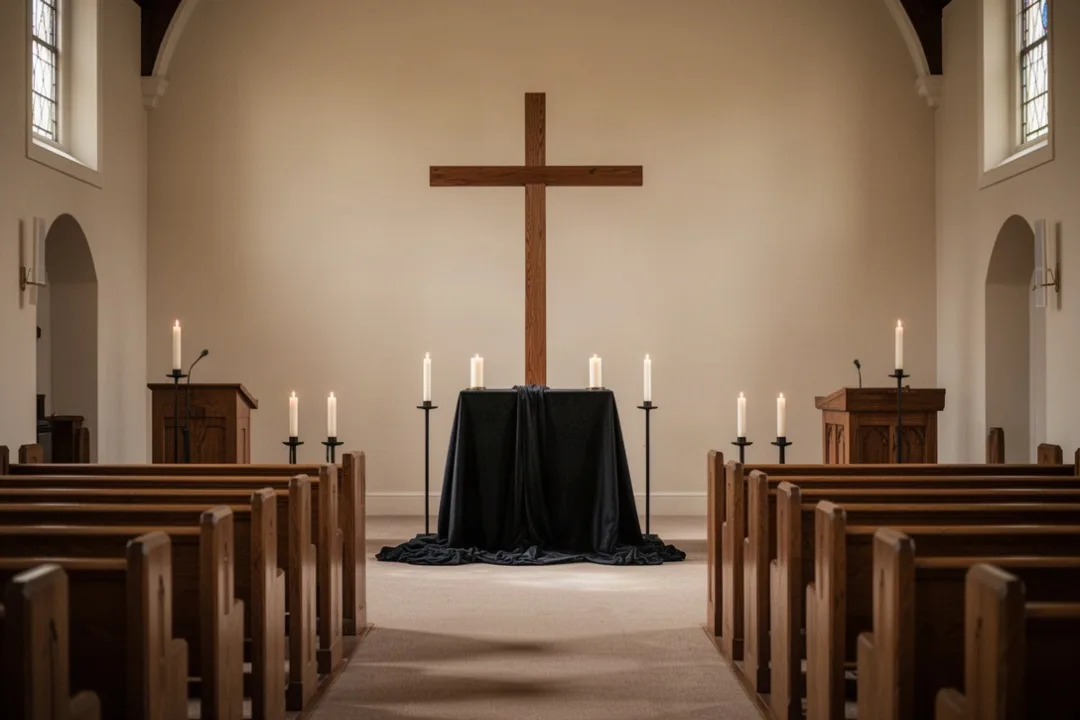
Many churches hold services in the afternoon or evening, often near the traditional time associated with Jesus’ death. Services may include readings from the Passion narratives, periods of silence, prayers, hymns, reflection on the cross, and the veneration of a cross or crucifix in some traditions.
Churches do not all observe Good Friday in the same way. Some use a stripped-down sanctuary and subdued music. Others hold a service centered on the “Seven Last Words,” a series of meditations based on statements attributed to Jesus during the crucifixion. Anglican, Catholic, Lutheran, Methodist, Orthodox, and other communities may follow distinct calendars and ceremonies.
Why Good Friday is called “good”
The word “good” does not mean pleasant or happy in this context. Christians call the day good because they believe Jesus’ death accomplishes something spiritually beneficial for humanity. The day is painful and mournful, yet it is understood as part of God’s work of salvation.
The exact history of the English name is not entirely simple. The term has been explained through older uses of “good” meaning holy or sacred, and some languages use names that translate more closely as Holy Friday, Great Friday, or Sorrowful Friday. The modern English name therefore carries a theological meaning rather than a description of the day’s emotional atmosphere.
For many Christians, Good Friday holds together two truths: the crucifixion was a real act of suffering and death, and it is also interpreted as an act of love and self-giving. Churches may express this through Scripture readings, silence, prayers, and a focus on the cross rather than through celebratory decorations.
Good Friday is remembered as a day of sorrow that Christians understand in light of Easter hope.
The Friday after Easter Sunday has a different meaning
The Friday after Easter Sunday is not Good Friday. In many Western Christian traditions, it falls within the Octave of Easter, the eight-day period from Easter Sunday through the following Sunday. The entire period is treated as one extended celebration of Christ’s resurrection.
In Catholic usage, each day of the Easter Octave has a special liturgical status, and the Friday after Easter is commonly called Friday in the Octave of Easter. Some communities may simply call it Easter Friday, especially when speaking broadly about the Easter season. The day continues the celebration rather than returning to the sorrowful mood of Good Friday.
The Easter Octave is separate from the longer Easter season, which continues for several weeks. The season includes the period leading toward the Ascension and Pentecost, although the exact observances and emphasis vary by denomination. The Friday after Easter therefore belongs to a larger period of resurrection-centered worship.
Church services during this week may use joyful music, white or gold colors, flowers, candles, and readings about the risen Jesus appearing to his followers. The Gospel readings vary according to the denomination and liturgical calendar, but the central theme remains that Jesus is alive and that his resurrection changes the meaning of the crucifixion.
How the two Fridays differ
The simplest way to distinguish the two days is to look at their place in the calendar. Good Friday comes before Easter Sunday, while Easter Friday, when used for the later date, comes after Easter Sunday.
Good Friday: The Friday before Easter Sunday, commemorating Jesus’ crucifixion and death.
Easter Friday: An informal or tradition-specific term that may mean Good Friday or the Friday after Easter Sunday.
Friday in the Octave of Easter: The Friday after Easter Sunday in the eight-day celebration of Easter.
Easter season: The broader liturgical period following Easter Sunday, lasting much longer than the Octave.
The worship style also differs. Good Friday services are commonly restrained, reflective, and solemn. The Friday after Easter is generally marked by resurrection joy, even if the gathering is less prominent than Easter Sunday worship.
The historical focus is different as well. Good Friday looks toward the death of Jesus and the meaning of the cross. The later Friday looks back on the resurrection and the continuing presence of Easter hope in the church’s worship.
How churches observe Good Friday
Good Friday practices depend on denomination, country, and local congregation. Some people attend a service, while others observe the day privately through prayer, reading, fasting, or quiet reflection. In communities where Good Friday is a public holiday, businesses and schools may also close, although this is a civic decision rather than a universal Christian requirement.
Common elements include:
Passion readings: Congregations hear the Gospel accounts of Jesus’ arrest, trial, crucifixion, and death.
Silence and prayer: Services may include long pauses, kneeling, or prayers of confession and intercession.
The cross: A cross may be displayed, covered, uncovered, carried through the church, or approached for prayer.
Communion practices: Some churches celebrate Communion, while others reserve it for Easter or follow a specific holy-day pattern.
Fasting: Certain traditions encourage fasting or abstaining from particular foods as a sign of repentance and solidarity with Christ’s suffering.
Passion plays and processions: Some communities dramatize the Passion story or walk a route representing the stations of the cross.
In Roman Catholic practice, Good Friday is part of the Paschal Triduum, the three-day observance that includes Holy Thursday, Good Friday, and the Easter Vigil leading into Easter Sunday. It is not treated as an ordinary weekday Mass day. The central liturgy emphasizes the Passion, the cross, solemn intercessions, and the reception of Communion consecrated earlier.
Eastern Orthodox Christians observe a corresponding holy day often called Great and Holy Friday. The services, calendar date, and customs can differ because many Orthodox churches calculate Easter using a different calendar method. Their observance includes hymns, readings, processions, and deep mourning before the celebration of the resurrection.
What the Friday after Easter represents
The Friday after Easter represents continued celebration of the resurrection. Easter is not limited to a single morning service; the church calendar gives believers an extended period to reflect on the meaning of Jesus’ rising from the dead.
For Christians, the resurrection is associated with new life, victory over death, hope, and the promise of renewal. The Friday within the Easter Octave can therefore be a day for worship that remains joyful even though it may receive less public attention than Easter Sunday.
Some Christians use the days after Easter to reflect on how resurrection faith affects ordinary life. They may consider forgiveness, service, courage, compassion, and the call to live differently because of their beliefs. The day does not usually have a single universal custom comparable to the Good Friday service.
In some countries and churches, the Friday after Easter may be part of a public holiday period. That arrangement reflects local history and government practice, not a rule shared by every Christian denomination. A workplace or school may use a name such as Easter Friday, Easter holiday, or Good Friday break, so the exact date should be checked rather than assumed.
How Easter dates affect the meaning
Good Friday and Easter Sunday do not occur on the same calendar date every year. Easter Sunday is a movable feast, and Good Friday is always two days earlier. The Friday after Easter Sunday is seven days after Good Friday and five days after Easter Sunday.
Western churches generally determine Easter using the Gregorian calendar. Many Eastern Orthodox churches use the Julian calendar or a related calculation for some dates, which means Orthodox Easter may fall on a different Sunday from Western Easter. As a result, the corresponding Good Friday and post-Easter Friday may also occur on different dates.
For a current year, consult the calendar of the church, school, employer, or community involved. This is especially useful when a notice simply says “Easter Friday,” because the phrase alone may not identify whether the writer means the Friday before or after Easter Sunday.
Calendar tip: When planning travel, work, or worship, confirm the exact date and the organization’s definition. “Good Friday” is much less ambiguous than “Easter Friday.”
Common mistakes when using “Easter Friday”
Most confusion comes from treating “Easter” as if it names only one day. In Christian calendars, Easter can refer to Easter Sunday, the Octave, or the wider season. The word may also appear in secular holiday names that do not follow a church’s formal terminology.
Do not automatically use Easter Friday for Good Friday. Good Friday is the recognized and clearest name for the Friday before Easter Sunday.
Check whether the speaker means before or after Easter Sunday. The surrounding dates usually resolve the ambiguity.
Do not describe Good Friday as a celebration of the resurrection. It commemorates the crucifixion; resurrection celebration belongs especially to Easter Sunday and the Easter season.
Remember that customs differ. Fasting, Communion, processions, and service times vary among denominations and congregations.
Use the church’s own wording when writing an announcement. “Good Friday service” or “Friday in the Octave of Easter” gives readers more precise information.
Confirm public-holiday details locally. A religious observance may be a legal holiday in one state, country, or institution and an ordinary workday elsewhere.
These distinctions matter most when you are making plans, writing for a congregation, explaining a religious practice, or interpreting a calendar. In casual conversation, people may understand “Easter Friday” from context, but precise language prevents avoidable misunderstanding.
What “Easter Friday” means in everyday conversation
In a family conversation, “Easter Friday” may simply mean the Friday of Easter weekend. The speaker may be thinking of the long weekend, a church service, travel plans, or a school closure rather than a formal liturgical term.
In a Christian setting, however, the phrase can signal a particular tradition. A Catholic parish may use language connected with the Easter Octave, while a local community may use “Easter Friday” as a regional expression for Good Friday. Neither usage automatically tells you which date is intended.
The best response to an unclear reference is simple: ask, “Do you mean Good Friday, the Friday before Easter, or the Friday after Easter Sunday?” That question is respectful and establishes the intended meaning without assuming that every church uses the same calendar vocabulary.
How to explain the meaning in one sentence
A concise explanation is: “Easter Friday usually refers informally to Good Friday, the Friday before Easter, but in some traditions it means the Friday after Easter Sunday, during the Easter Octave.”
If you need to explain the religious difference, add that Good Friday remembers Jesus’ crucifixion, while the later Friday continues the celebration of his resurrection. This wording is accurate, accessible, and suitable for a conversation, school assignment, calendar note, or church announcement.
The most precise terms remain Good Friday for the day before Easter Sunday and Friday in the Octave of Easter for the Friday afterward. Using those names makes the date and theological meaning clear at the same time.
Frequently asked questions
Is Easter Friday the same as Good Friday?
Sometimes, but not always. Many people use “Easter Friday” informally for Good Friday, the Friday before Easter Sunday. In more precise liturgical language, Easter Friday may refer to the Friday after Easter Sunday, which falls within the Octave of Easter. Check the date or the speaker’s tradition before assuming which day is meant.
What happened on Good Friday?
Good Friday commemorates Jesus’ crucifixion and death, as described in the four New Testament Gospel accounts. Christian worship often remembers his suffering, the meaning of the cross, and the hope of redemption. The day is solemn and reflective, and it comes immediately before Holy Saturday and Easter Sunday.
Is the Friday after Easter still part of Easter?
Yes. In many Western Christian traditions, the Friday after Easter Sunday falls within the Easter Octave, an eight-day celebration beginning on Easter Sunday. It is also part of the longer Easter season. Its focus is continued celebration of Jesus’ resurrection rather than remembrance of the crucifixion.
Why does Easter fall on a different date each year?
Easter is a movable Christian feast rather than a fixed-date holiday. Its date is calculated according to a traditional relationship among the spring season, the full moon, and Sunday. Western and Eastern churches may use different calendar systems or calculations, so their Easter dates can sometimes differ.













Leave a Reply