Padre Pio is officially the patron saint of civil defense volunteers. He is also widely invoked by Catholics who are seeking healing, strength during suffering, help in prayer, and spiritual guidance. Some devotional sources describe him as a patron of people facing stress, illness, or difficult circumstances, but those associations are not all formal Church patronages.
His full name was Saint Pio of Pietrelcina, although most people know him as Padre Pio. He was an Italian Capuchin friar, priest, confessor, and mystic who became known for his deep prayer, service in the confessional, reported mystical experiences, and compassion toward the sick and troubled.
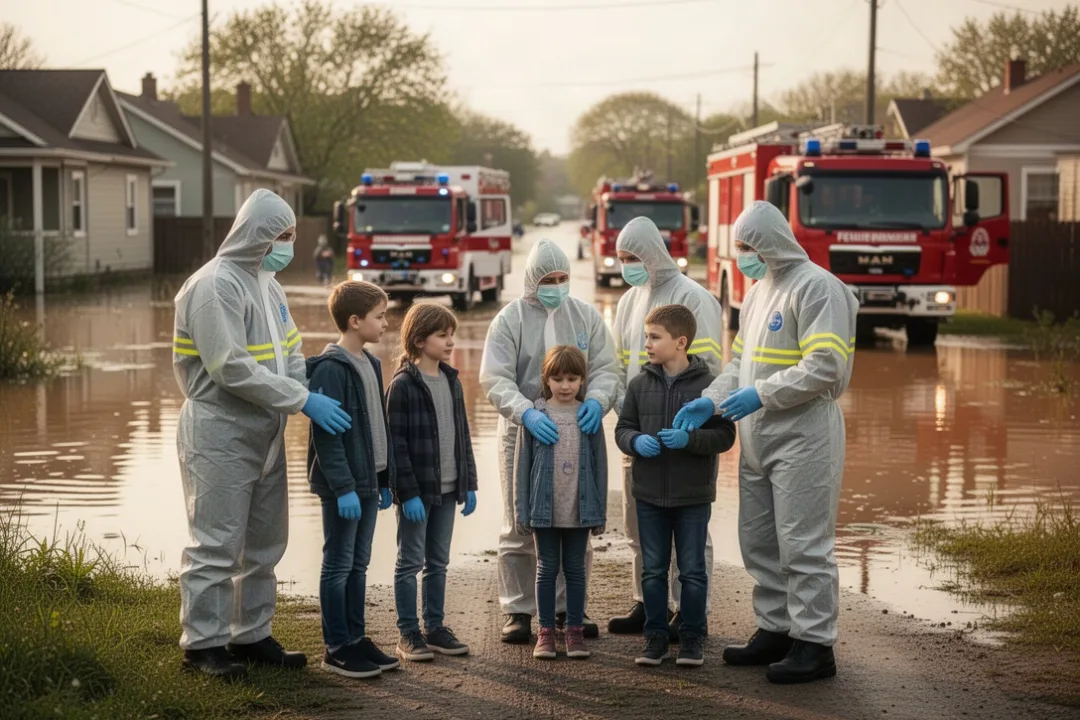
The clearest formal answer is civil defense volunteers, sometimes described in English as civil protection volunteers. These men and women respond to emergencies such as floods, earthquakes, fires, severe storms, and other disasters. Their work often involves rescue, first aid, logistical support, shelter assistance, and care for displaced families.
Padre Pio’s connection with this group reflects his understanding of Christian service. He devoted himself to people who were frightened, sick, grieving, or burdened by guilt. Civil defense volunteers likewise meet people at moments of crisis, when practical help and calm human presence can matter as much as words.
Short answer: If you need one official patronage, say that Padre Pio is the patron saint of civil defense volunteers. His wider devotional role includes prayer for the sick, people in distress, and anyone seeking reconciliation with God.
Why Padre Pio became associated with suffering and healing
Padre Pio spent much of his priestly life accompanying people through physical and emotional pain. Visitors came to him with illness, grief, fear, family problems, moral uncertainty, and questions about faith. He listened closely, prayed with them, and often directed them toward repentance, patience, and trust rather than promising an easy solution.
Many people also associate him with miraculous healing. During his lifetime, individuals reported cures or unusual answers to prayer after asking for his intercession. After his death, alleged miracles were investigated as part of the Catholic process that led to his beatification and canonization. Catholic teaching does not require believers to accept every private report, and prayer to a saint is understood as asking for intercession rather than treating the saint as a source of divine power.
That distinction helps explain why Padre Pio is frequently chosen as a patron or prayer companion by people dealing with cancer, chronic illness, surgery, disability, or serious diagnoses. The Church’s official patronage of civil defense volunteers is specific, while the broader practice of asking Padre Pio to pray for the sick comes from his reputation for compassion and healing ministry.
Padre Pio’s main areas of devotion
People turn to Padre Pio for several related reasons. These associations arise from his life, his ministry, and the way Catholics have experienced his intercession. They should not all be presented as formal titles granted by the Church.
Civil defense volunteers: This is his recognized formal patronage.
The sick and those seeking healing: Many Catholics ask for his prayers during illness, treatment, recovery, or medical uncertainty.
People carrying heavy suffering: His own physical and spiritual trials make him a meaningful intercessor for those who feel overwhelmed.
Those seeking confession and reconciliation: He spent long hours hearing confessions and urged people to return honestly to God.
People seeking spiritual direction: Devotees remember his direct advice, disciplined prayer, and insistence on a serious Christian life.
Families facing crisis: His intercession is often requested for family conflict, bereavement, financial hardship, and other serious concerns.
This list is best understood as a guide to popular devotion, not as a list of equally official patronages. A saint can be formally named patron of a group, place, profession, or cause. At the same time, believers may naturally seek that saint’s prayers for other needs connected with the saint’s life.
How to choose Padre Pio as a patron for your prayer
If you are wondering whether Padre Pio is an appropriate saint to ask for help, you do not need a special formula or a formal declaration. You can bring your concern to God and ask Padre Pio to intercede for you. A simple, sincere prayer is sufficient.
Name the concern clearly. You might pray for a medical diagnosis, a loved one in danger, a difficult confession, or strength to endure ongoing suffering.
Ask for Padre Pio’s intercession. This means asking him to pray with you and for you, rather than treating him as a substitute for God.
Include a practical response. Contact a doctor, speak with a priest, support a family member, or seek qualified help when the situation requires it.
Allow room for an unexpected answer. Catholic prayer may seek healing, but it also asks for wisdom, courage, peace, and grace to persevere.
Continue with a manageable practice. You might pray briefly each day, attend Mass, read about his life, or make an examination of conscience.
Prayer should not replace medical care, mental health treatment, emergency assistance, or sound pastoral advice. Padre Pio’s ministry was practical as well as spiritual. People came to him for prayer and counsel, but faith was not meant to excuse neglect of responsibilities or professional care.
How Padre Pio’s life shaped his patronage
Padre Pio was born Francesco Forgione in Pietrelcina, Italy, in 1887. He entered the Capuchin Franciscan order and was ordained a priest in 1910. The name “Pio” came from Pope Saint Pius I, whom he admired and chose as a namesake when he entered religious life.
His life centered on the Eucharist, confession, prayer, and service. He lived in the Capuchin friary at San Giovanni Rotondo for much of his ministry. There, large numbers of people sought him out, sometimes waiting for long periods to receive confession or speak with him.
Padre Pio also experienced serious physical suffering. In 1918, he began to bear wounds known as the stigmata, marks resembling the wounds of Christ’s crucifixion. Church authorities examined and monitored his condition, and the subject remained a source of controversy and investigation during his lifetime. Catholics who honor him see these wounds as connected to his union with Christ’s suffering, while a careful account should acknowledge that extraordinary claims are evaluated through the Church’s processes rather than accepted casually.
His response to suffering is central to the way devotees understand him. He did not present pain as meaningless, nor did he encourage people to seek suffering for its own sake. Instead, he taught that hardship could be offered to God and joined to compassionate service. That perspective helps explain why people in danger, caregivers, patients, and volunteers see him as a fitting spiritual companion.
Padre Pio and the sacrament of confession
One of Padre Pio’s strongest associations is with confession. He reportedly spent many hours hearing confessions and was known for being direct with people who were evasive or insincere. At the same time, his ministry was aimed at reconciliation, not humiliation. He wanted penitents to recognize sin honestly, seek forgiveness, and make a real effort to change.
For this reason, Catholics sometimes ask Padre Pio’s intercession when they feel trapped by guilt, shame, addiction, resentment, or repeated moral failure. His example can encourage a person to take a concrete step: schedule confession, apologize to someone harmed, seek accountability, or ask for help with a destructive habit.
Devotion to Padre Pio should not become a way to avoid personal responsibility. Asking for his prayers is most consistent with his life when it leads to honesty, repentance, mercy, and action. A prayer may open the door, but reconciliation generally requires a willingness to walk through it.
“Pray, hope, and don’t worry” is a short saying commonly associated with Padre Pio’s pastoral encouragement.
The saying is often repeated because it captures a useful balance. Prayer turns the heart toward God, hope refuses despair, and freedom from needless worry does not mean ignoring real problems. It means facing them without assuming that fear has the final word.
Why civil defense volunteers honor Padre Pio
Emergency volunteers often work in unstable and emotionally demanding conditions. They may enter damaged buildings, search for missing people, distribute supplies, transport the injured, or comfort residents who have lost homes and belongings. Their service requires courage, discipline, teamwork, and compassion.
Padre Pio’s patronage suits this work because his ministry emphasized presence with people in crisis. He welcomed those who were afraid and helped them confront painful realities without surrendering hope. Volunteers who honor him may see their work as more than a technical assignment: it is a form of service to vulnerable neighbors.
Patronage does not mean that a volunteer will be protected from every danger. Saints are not talismans, and devotion does not remove the need for training, protective equipment, emergency plans, or professional command structures. Instead, a patron saint offers a spiritual model and a focus for prayer.
Pray for clear judgment before entering a dangerous situation.
Pray for strength and patience during long rescue or recovery operations.
Pray for the people affected by disaster, including those who are missing or grieving.
Pray for cooperation among volunteers, emergency workers, medical teams, and public officials.
Pray for wisdom when deciding how to serve without creating additional risks.
What Padre Pio is not officially the patron saint of
Online lists sometimes assign Padre Pio a long series of patronages, including stress relief, cancer, healing, hospital patients, and particular professions. Some of these descriptions may reflect genuine devotional practice, but they can be misleading when they are presented as official universal titles.
There is a difference between saying “people pray to Padre Pio for healing” and saying “the Church officially named Padre Pio the patron saint of healing.” The first statement describes common devotion. The second makes a formal claim that needs reliable ecclesial support.
When you encounter a patronage list, ask three questions:
Is the title formal? Was the saint officially declared patron of the group, place, or cause?
Is it local? A diocese, parish, shrine, or national organization may honor a saint in a particular way without that title applying everywhere.
Is it devotional? People may request a saint’s intercession for a need that matches the saint’s experiences, even when no official patronage exists.
This careful language does not diminish Padre Pio’s importance. It makes the answer more accurate. His official connection to civil defense volunteers is clear, while his role as an intercessor for the sick, suffering, and spiritually troubled is broad and deeply established in Catholic devotion.
How to pray with Padre Pio during illness or crisis
A prayer to Padre Pio can be brief and personal. Begin by naming the person or situation. Ask God for the grace needed, then ask Padre Pio to intercede. You may request recovery, but you can also ask for courage during treatment, wisdom for medical decisions, peace for caregivers, or reconciliation within a family.
People sometimes use a novena, which is a period of prayer over several days, or read a short passage about Padre Pio’s life. Others simply repeat a traditional invocation. The specific method matters less than sincerity, perseverance, and openness to responsible action.
For a serious emergency: Call emergency services and follow professional instructions first. Prayer can accompany urgent care, but it should never delay rescue, medical treatment, or protection from immediate danger.
If the concern involves depression, trauma, addiction, abuse, or thoughts of self-harm, spiritual support should be joined with qualified professional help. A priest, counselor, physician, crisis service, or trusted support person can provide assistance that prayer alone is not designed to replace.
The Catholic Church celebrates Saint Pio of Pietrelcina’s feast day on September 23. Parishes and prayer groups may mark the day with Mass, confession, devotional prayers, talks, or charitable service. Some communities also organize prayers for the sick or for first responders, reflecting the two major strands of his public devotion.
The principal places associated with him are Pietrelcina, where he was born, and San Giovanni Rotondo, where he lived and ministered for many years. San Giovanni Rotondo became a major pilgrimage destination because of his friary, his ministry, and the hospital he helped establish for people who suffered.
Visiting a shrine can be meaningful, but pilgrimage is not required to ask for his intercession. A person can pray at home, in a hospital room, in a church, or alongside others serving during an emergency. The heart of the devotion is not the location; it is the movement toward prayer, compassion, repentance, and trust.
What Padre Pio’s patronage means for you
If you need the precise answer, remember civil defense volunteers. If you are asking because you are sick, frightened, grieving, or struggling with guilt, you may still turn to Padre Pio as a beloved intercessor whose life speaks to suffering and mercy.
His example points toward several practical responses: pray honestly, seek reconciliation, accept appropriate help, care for people in distress, and remain steady when circumstances are painful. Those practices reflect the heart of his ministry more accurately than a long list of loosely defined titles.
Padre Pio died in 1968 and was canonized by Pope John Paul II in 2002. His continuing popularity comes not only from extraordinary stories, but also from a recognizable pattern of service: he met people in fear and pain, encouraged them to return to God, and urged them to live their faith through concrete acts of love.
Frequently asked questions
Is Padre Pio the patron saint of healing?
Padre Pio is widely invoked for healing, especially by people facing serious illness or medical treatment. However, the clearest formal patronage associated with him is civil defense volunteers. “Patron saint of healing” is better understood as a popular devotional description than as a universally recognized official title. Catholics may ask for his intercession while continuing appropriate medical and mental health care.
What is the difference between Padre Pio and Saint Pio of Pietrelcina?
They are the same person. “Padre Pio” was the familiar name used for the Capuchin priest, while “Saint Pio of Pietrelcina” is his canonized name. Pietrelcina was the Italian town where he was born. His baptismal name was Francesco Forgione, and he took the religious name Pio when he entered the Capuchin order.
Can I pray to Padre Pio for someone in an emergency?
Yes, you can ask Padre Pio to intercede for someone in danger, illness, or distress. Make the emergency call, follow trained responders’ instructions, and obtain medical care immediately. Prayer can accompany those actions by asking for protection, calm judgment, strength for caregivers, and comfort for the affected person.
When is Padre Pio’s feast day?
Padre Pio’s feast day is September 23. Catholic communities may observe it with Mass, confession, prayer for the sick, or charitable service. The day is also an opportunity to remember his ministry as a priest and confessor, his compassion toward suffering people, and his connection with civil defense volunteers.









Leave a Reply