Matt Talbot: His life, sobriety, and spiritual legacy
Matt Talbot: His life, sobriety, and spiritual legacy
Matt Talbot was a Dublin laborer who became known for overcoming alcoholism through a dramatic Catholic conversion and a lifelong commitment to sobriety. Born in 1856, he spent much of his youth and early adulthood trapped in heavy drinking before taking a pledge of abstinence in 1884.
Talbot did not become famous during his lifetime. He worked quietly, lived simply, practiced demanding forms of prayer and penance, and died suddenly in 1925. His story later spread as an example of recovery, perseverance, and Christian devotion, especially for people affected by addiction.
Matthew Talbot was born in Dublin, Ireland, in 1856. He grew up in a working-class family and left school while still young. His father worked around the docks, and Talbot entered the workforce as a boy, eventually finding employment with a brewery where his duties included handling and delivering bottles.
His early environment exposed him to alcohol at a very young age. Accounts of his life describe Talbot beginning to drink as a child and gradually moving from casual drinking to serious dependence. His drinking shaped his friendships, finances, health, and daily routine long before he understood how difficult it would be to stop.
Talbot was not a wealthy or influential man who later chose a more spiritual life. He was an ordinary laborer living in nineteenth-century Dublin, with limited education and few social advantages. That background remains central to his story because his change did not come through public recognition, professional treatment, or a comfortable withdrawal from ordinary responsibilities.
For many years, alcohol controlled his choices. He reportedly spent much of his pay on drink and sometimes went without basic necessities. His dependence also isolated him from family and coworkers. The pattern was familiar: work, drinking, financial hardship, shame, and a return to drinking.
Some popular accounts describe Talbot as having stolen a violin or another small possession during this period. The details vary in retellings, so the safest point is that his addiction had damaged his relationships and reputation. He was not remembered as a violent criminal or a public celebrity; he was remembered as a man whose life had become increasingly dominated by alcohol.
Talbot’s story also needs to be understood with care. Alcoholism is a medical and social disorder, not simply a failure of willpower or religious commitment. His spiritual practices mattered deeply to him, but his example should not be used to shame people who need medical care, counseling, medication, peer support, or supervised treatment.
A practical distinction: Talbot’s pledge was part of his personal recovery and religious life. Anyone struggling with alcohol should seek qualified medical and addiction support rather than attempting to stop heavy drinking without guidance.
How Matt Talbot stopped drinking
The turning point came in 1884, when Talbot was 28. After finishing work one day, he reportedly waited outside a Dublin pub hoping that friends or coworkers would offer him a drink. They passed him by, and the experience forced him to face how completely alcohol had taken over his life.
Talbot went home, told his mother that he intended to stop drinking, and sought the help of a priest. He made a three-month pledge of abstinence, went to confession, and began changing his routine. After keeping that pledge, he extended it for another period and eventually committed himself to lifelong sobriety.
The decision was not presented as easy or automatic. Talbot experienced a powerful struggle with craving, especially during the early months. He had to learn how to fill the hours once spent drinking and how to tolerate the emotional and physical distress that came with giving up alcohol.
He removed himself from drinking situations and avoided the places and companions most closely connected with alcohol.
He established a regular prayer routine to give structure to his days and direct his attention beyond immediate cravings.
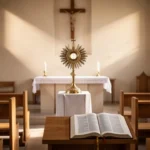
He returned to the sacraments, including confession and Holy Communion, as part of his Catholic practice.
He accepted a modest way of life rather than replacing alcohol with wealth, status, or entertainment.
He made a long-term commitment instead of treating sobriety as a short experiment.
Talbot’s approach reflects an important recovery principle: a person often needs to change the environment surrounding a destructive habit. Avoiding alcohol was only one part of the work. He also had to change his schedule, relationships, spending patterns, and understanding of what gave his life meaning.
Modern readers may recognize elements that resemble recovery tools used today. Accountability, routine, community, and a clear reason to remain sober can all support lasting change. Talbot’s own language was religious, but the practical value of these elements is not limited to one denomination.
His abstinence became permanent, but that does not mean his cravings vanished immediately. The early stage of recovery can involve anxiety, restlessness, grief, and a sense of emptiness. Talbot responded through prayer and disciplined habits; others may need a combination of therapy, medication, peer groups, and clinical supervision.
What shaped Matt Talbot’s spiritual life
After giving up alcohol, Talbot devoted himself to a demanding Catholic life while continuing to work as a manual laborer. He attended Mass, received Communion, prayed the Rosary, read spiritual books, and practiced personal examination. His faith was not an occasional source of comfort; it became the framework through which he understood his past, his obligations, and his hope for the future.
Talbot eventually became associated with the Third Order of Saint Francis, now generally known as the Secular Franciscan Order. Membership gave him a spiritual identity and a connection to a tradition centered on humility, service, simplicity, and concern for the poor.
He also developed a strong devotion to the Sacred Heart of Jesus, the Blessed Virgin Mary, and the saints. He carried religious objects and used prayer as a constant practice rather than reserving it for church. His spirituality drew on familiar Catholic devotions of his time, including the Rosary, the Stations of the Cross, and prayers for the dead.
Talbot’s schedule was unusually disciplined. He rose early, attended Mass before work when possible, completed a full day of labor, and spent time praying or reading in the evening. His life had very little luxury. He lived in a small home with his mother and later with his sister, and he gave away much of what he earned.
He was also known for voluntary penance. Biographies describe him using chains, sleeping on a hard surface, fasting, and limiting personal comforts. These practices reflected the devotional culture in which he lived, but they require careful interpretation today. They were not a prescription for every Christian, and they should never be imitated in ways that cause injury or undermine health.
The point of Talbot’s discipline, as presented in accounts of his life, was not to punish other people or earn public admiration. He understood it as a response to the mercy he believed he had received. He wanted his daily choices to express gratitude, self-control, and solidarity with Christ’s suffering.
Talbot’s life is best understood not as a contest in extreme hardship, but as a sustained effort to direct ordinary work, money, time, and desire toward a religious purpose.
Prayer also gave Talbot a way to understand his addiction without pretending it had never happened. He did not need to construct a glamorous past. His conversion began with an honest recognition that alcohol had ruled him and that he could not build a different life through vague good intentions alone.
What Matt Talbot’s working life was really like
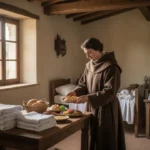
Talbot remained a laborer after his conversion. He worked first in the brewery trade and later as a builder’s porter for a construction company. This detail matters because sobriety did not remove him from financial pressure, physical work, or an ordinary neighborhood. He did not withdraw to a monastery or become a full-time religious teacher.
His daily employment was tiring and repetitive. He carried materials, followed instructions, and spent long hours doing work that attracted little public attention. He was paid modestly, lived within simple means, and kept a low profile among the people around him.
Talbot’s coworkers knew him as quiet and serious. Some may have recognized that he no longer drank, but he did not create a public campaign around his recovery. The change was visible through his conduct: he avoided pubs, managed his money differently, attended church, and maintained a consistent routine.
He did, however, give financial help to people in need. Accounts of his life describe him sharing wages, supporting charitable causes, and quietly assisting poor families. His generosity was connected to his belief that possessions were entrusted to him rather than owned solely for personal comfort.
That generosity came with a risk. People who recover from addiction sometimes feel pressure to compensate for past behavior by becoming excessively self-denying or by meeting every need around them. Talbot’s example can inspire generosity, but healthy boundaries remain necessary. Recovery includes learning responsible care for yourself, not only sacrifice for others.
Talbot’s relationships were also important. His mother supported him during the first difficult stage of sobriety, and he remained connected to his family. He did not overcome addiction through isolation alone. His priest, family members, church community, and devotional practices formed a network of support, even though it looked different from contemporary recovery groups.
People who study his life often focus on the dramatic change from heavy drinking to strict abstinence. Yet the quieter lesson may be more useful: he kept repeating the same healthy choices through ordinary days. He went to work, avoided alcohol, prayed, gave what he could, and returned to that pattern when life became difficult.
How Matt Talbot died and became known after his death
On June 7, 1925, Talbot collapsed and died suddenly on a Dublin street while on his way to Mass. He was 69. Because he carried no identification, authorities initially had difficulty determining who he was. His body was eventually identified, and he was buried in Glasnevin Cemetery in Dublin.
The discovery of chains around his body helped reveal the extent of his private penance. What had seemed to be the life of an unusually reserved laborer became the subject of wider attention. Friends and religious acquaintances began sharing stories of his prayer, generosity, discipline, and long sobriety.
A biography published after his death brought Talbot’s story to a larger audience. His reputation spread beyond Ireland, particularly among Catholics who saw him as a model of conversion. He became associated with people seeking help for alcoholism and with families praying for relatives affected by addiction.
The Catholic Church opened an official cause for his canonization. In 1973, Pope Paul VI recognized Talbot’s heroic virtue, giving him the title Venerable. This designation means the Church has judged that his life showed an exceptional degree of Christian virtue; it does not mean that he has been beatified or canonized.
Matt Talbot has not been declared a saint. Beatification and canonization require further investigation, including the examination of alleged miracles where applicable. His status as Venerable should therefore be stated accurately, especially because many popular references casually call him “Saint Matt Talbot.”
His burial place has remained a place of interest for visitors and pilgrims. A shrine dedicated to him is associated with Our Lady of Lourdes Church in Dublin, where people can learn more about his life and pray for those affected by addiction.
Talbot’s legacy also appears in organizations and recovery ministries that use his name. These groups vary in their practices, but many emphasize sobriety, prayer, mutual support, and service. His story has been especially meaningful to people who want spiritual resources alongside practical recovery help.
Talbot’s life speaks most directly to people who feel controlled by a destructive habit and doubt that change is possible. His story does not promise an effortless transformation. It shows a person recognizing the truth about his life, accepting help, making a firm decision, and continuing that decision through repeated daily actions.
Several lessons can be drawn without turning his experience into a simplistic formula:
Honesty comes before change. Talbot had to acknowledge that alcohol was not a minor weakness but the force organizing his life.
A commitment needs structure. Prayer, work, financial discipline, supportive relationships, and changed routines gave his decision practical form.
Recovery is personal but not solitary. Talbot relied on family, clergy, and a religious community, just as people today may rely on counselors, doctors, sponsors, support groups, and trusted friends.
Spiritual growth does not erase human limits. Talbot remained a working man with a history, responsibilities, and vulnerabilities.
Private faith can produce public kindness. His devotion was expressed through help for people who were poor or struggling.
His example is particularly relevant for people who use faith as part of recovery. Prayer can provide meaning, but it should work alongside appropriate care. A person experiencing dangerous withdrawal, severe depression, suicidal thoughts, or other urgent symptoms needs immediate professional assistance.
For Catholics, Talbot may be remembered as a model of repentance and perseverance. For people from other Christian traditions, or for those who are not religious, his story can still raise broader questions about habit, accountability, service, and the possibility of rebuilding a life after addiction.
His strict penances should not become the center of the story. The most constructive focus is his sustained sobriety and service, not the physical hardships he imposed on himself. A healthy reading honors his convictions while recognizing that contemporary knowledge about addiction and self-care has developed considerably.
If you need help with alcohol: Contact a doctor, licensed addiction counselor, local treatment provider, or recovery support group. If stopping suddenly could be medically dangerous, ask a healthcare professional how to withdraw safely.
Matt Talbot’s continuing appeal comes from the combination of his ordinary circumstances and extraordinary persistence. He was not born into a religious order, did not hold a public office, and did not build a career around his conversion. He went back to work and tried to live differently one day at a time.
That pattern makes his story enduring: recognize the problem, accept support, change the routine, and keep choosing a better direction. His Catholic devotion gave those choices their deepest meaning, while his practical example remains accessible to anyone who understands how difficult and valuable lasting change can be.
Frequently asked questions
Was Matt Talbot a Catholic saint?
No. Matt Talbot has not been canonized or beatified. The Catholic Church declared him Venerable in 1973 after recognizing his heroic virtue. “Venerable” is an official stage in the canonization process, but it does not mean the person may be publicly honored as a saint throughout the Church.
How long did Matt Talbot drink?
Accounts commonly say Talbot began drinking in childhood and struggled with alcohol for roughly 16 years before he stopped in 1884. The exact pattern and severity changed over time, but alcohol had become a central part of his life by the time he was 28.
What did Matt Talbot do for work?
Talbot worked as a manual laborer. He was employed in the brewery trade when he was younger and later worked as a builder’s porter. His continued working life is significant because his recovery took place while he remained part of an ordinary working community rather than entering a monastery or leaving employment.
Can people follow Matt Talbot’s recovery method today?
His commitment to honesty, support, routine, and abstinence can offer spiritual inspiration, but his recovery should not be copied as a medical treatment. People dependent on alcohol may face dangerous withdrawal and should consult a healthcare professional. Prayer or religious support can complement, not replace, evidence-based addiction care.
















Leave a Reply