If your schedule is full but your attention feels scattered, you may be wondering whether a Manresa retreat could give you enough quiet to think, pray, and regain perspective. In most cases, the answer is yes: a Manresa retreat is a structured period of spiritual renewal rooted in the Ignatian tradition, usually held at a retreat house or through a guided retreat program.
The name refers to Manresa, Spain, where St. Ignatius of Loyola spent a formative period of prayer and reflection in the sixteenth century. Retreat centers named Manresa generally draw from his Spiritual Exercises, helping participants notice their interior lives, reflect on their relationship with God, and make decisions with greater freedom and clarity.
The experience is not simply a religious conference or a quiet vacation. Depending on the program, you may spend much of the day in silence, meet with a spiritual director, pray with Scripture, attend Mass, walk outdoors, and keep a simple personal routine. You do not need to be an expert in prayer, and you typically do not need to arrive with every question answered.
What a Manresa retreat means in the Ignatian tradition
St. Ignatius of Loyola developed the Spiritual Exercises as a practical way to help people examine their lives and respond more freely to God. The exercises include prayer, reflection, imagination, discernment, and honest attention to consolation and desolation—terms Ignatian spirituality uses to describe movements that draw you toward or away from faith, hope, love, and generous action.
A Manresa retreat applies those principles in a setting removed from ordinary distractions. Rather than filling every hour with instruction, the retreat creates space for personal prayer and attentive listening. You may receive a suggested Scripture passage or prayer method, then spend time noticing what arises and discussing it with a trained director.
The word “retreat” can sound as if you are expected to withdraw from the world permanently. In practice, the purpose is temporary distance. You step away from work, household responsibilities, notifications, and habitual noise so you can return to them with a more considered response.
Keep the purpose in view: A Manresa retreat is not a test of how peaceful, devout, or emotionally moved you can be. It is time set aside to become more attentive to God, your own experience, and the choices in front of you.
Which Manresa retreat format fits your needs
“Manresa retreat” may describe several different formats, so read the program description carefully before registering. A retreat house may offer multiple options during the year, and schedules can change. The most common formats differ in their amount of silence, personal guidance, and group instruction.
Directed retreat: You meet regularly with a spiritual director, receive prayer material, and decide how to use the rest of the day. The director listens and helps you recognize patterns without making decisions for you.
Preached or conference retreat: A retreat leader gives talks or meditations to a group. You may also have periods of silence, liturgy, private prayer, and optional spiritual direction.
Weekend retreat: A shorter program that can fit around work and family obligations. It often provides a concentrated introduction to silence and Ignatian prayer.
Extended retreat: A multi-day experience with a more sustained rhythm of prayer, direction, meals, rest, and silence. Some programs are based on a portion of the Spiritual Exercises.
Personal or private retreat: You follow an agreed plan with considerable flexibility. This may suit someone who already has a regular prayer practice or is working through a particular decision.
Day of recollection: A shorter visit that gives you several hours for prayer and reflection without an overnight stay.
If you are new to retreats, a weekend or introductory program may feel more manageable than an extended silent retreat. If you are seeking help with a major decision, ask whether the program includes individual spiritual direction rather than assuming that all retreats do.
How to choose a Manresa retreat before you register
Start with the practical details, then consider the spiritual fit. A beautiful setting cannot compensate for a format that does not match your needs, and a demanding schedule may make it harder to receive the benefits of the retreat.
Identify your reason for going. You may want rest, a deeper prayer life, help with discernment, healing after a difficult season, or a first experience of Christian retreat.
Decide how much time you can genuinely give. Choose dates that allow you to arrive without rushing and leave enough margin afterward to reenter daily life gradually.
Check the silence expectations. Some programs observe silence for most of the retreat, while others include group conversation and social time.
Ask about spiritual direction. Find out how often you meet with a director, whether direction is included in the cost, and what training the directors have.
Review the prayer tradition. Confirm whether the retreat is explicitly Catholic, broadly Christian, interfaith, or intended for people at a particular stage of faith.
Compare accommodations and meals. Ask about private bathrooms, accessibility, dietary needs, linens, technology policies, and outdoor access.
Read the cancellation and payment policies. Retreat fees often cover lodging, meals, staff, and programming, but the details vary.
It is also reasonable to contact the retreat office before enrolling. A short conversation can clarify whether a silent format is suitable for you, whether a health or accessibility concern can be accommodated, and what support is available if the experience becomes emotionally demanding.
What happens during a typical Manresa retreat
Each retreat house has its own schedule, but the rhythm usually combines prayer, silence, conversation, rest, and worship. You might begin the day with a communal prayer or Mass, receive a meditation from the retreat leader, meet with your spiritual director, and spend several hours alone with Scripture or another prayer exercise.
Meals may be taken in silence or with conversation, depending on the program. You may be encouraged to walk outdoors, keep a journal, or sit in a chapel. Rest is not treated as wasted time; a retreat is more fruitful when you are not forcing yourself to produce an insight every hour.
A directed retreat meeting is usually not counseling in the clinical sense and is not a classroom lesson. You describe what you have noticed in prayer, what has brought peace or resistance, and where you feel stuck. The director may ask a few questions or suggest a passage for the next period of prayer.
You may also encounter a schedule that feels intentionally spacious. That space can feel unfamiliar at first, especially if your normal day is shaped by alerts, appointments, and constant problem-solving. The quiet often reveals how tired you are before it reveals what you want to do next.
A sample rhythm for a retreat day
Wake, dress quietly, and begin with personal prayer.
Attend morning prayer, Mass, or a group meditation if scheduled.
Eat breakfast and spend time with the assigned Scripture passage.
Meet with a spiritual director or retreat leader.
Walk, rest, journal, or pray in the chapel during unstructured time.
Attend another conference, liturgy, or period of communal prayer.
Eat dinner and review the day without trying to force a conclusion.
End with a brief examination of consciousness and prepare for sleep.
This schedule is only an example. Some retreats provide more formal teaching, while others leave nearly all of the day open. The central pattern remains similar: receive a small amount of guidance, make room for prayer, and pay attention to your experience.
How to prepare spiritually and practically
Preparation does not require a dramatic spiritual plan. A few simple choices can help you arrive with enough energy and attention to participate fully.
Before leaving, write down the main reason you registered. Keep it brief. “I need clarity about my next step,” “I want to rebuild a prayer habit,” or “I need time to grieve” is enough. You can bring that intention to prayer without turning it into a demand for a particular answer.
If you have a current prayer practice, continue it without trying to intensify it suddenly. If you do not have one, begin with five or ten quiet minutes a day. Read a short Gospel passage slowly, sit in silence, or speak honestly to God in your own words.
Reduce unnecessary commitments around the retreat dates. Let close family members or coworkers know that you may be unavailable. Arrange childcare, transportation, medication, and urgent work responsibilities in advance so they do not occupy your attention throughout the retreat.
Pack for comfort rather than appearance. Clothing for changing weather, walking shoes, a water bottle, personal toiletries, prescription medication, a notebook, and a Bible or prayer book are commonly useful. Confirm what the retreat house supplies before bringing bulky items.
Technology deserves special planning. Many retreats ask participants to limit phone use or leave devices in their rooms. Tell essential contacts how to reach the retreat office for emergencies, and decide in advance when you will check messages if the program permits it.
Do not arrive exhausted if you can avoid it. Finishing a full workday, driving late into the night, and expecting immediate spiritual clarity can make the first day unnecessarily difficult. Give yourself time to settle into the place and its quieter rhythm.
How to pray during a Manresa retreat
Ignatian prayer is active but not hurried. One familiar method is to read a Gospel scene slowly and use your imagination to enter it. You might picture the setting, notice the people present, observe Jesus’ actions, and pay attention to the feelings or questions that emerge. The goal is not to create a perfect mental picture; it is to become present to the passage.
Another practice is the examen, a prayerful review of the day. You may begin by acknowledging God’s presence, look back with gratitude, notice moments of closeness or distance, ask for forgiveness where needed, and consider how you want to respond tomorrow. The examen is more than a list of mistakes. It trains attention toward grace, desire, resistance, and growth.
When prayer feels dry, do not assume you are failing. Silence can expose restlessness, grief, anger, boredom, or fatigue. Those experiences can become part of honest prayer, particularly when you bring them to a director rather than judging yourself for having them.
You may be given several prayer periods in one day. Use the first few minutes to become still, the main portion to remain with the passage or question, and the last few minutes to record what you noticed. A short journal entry is often more helpful than a long analysis.
“Take, Lord, and receive” is a well-known Ignatian prayer associated with offering one’s freedom, memory, understanding, and will to God.
Because translations of historic prayers vary, retreat leaders may provide the wording they prefer. The underlying movement is one of generous self-offering, not self-erasure. Ignatian spirituality treats freedom as the ability to respond lovingly rather than being controlled by fear, pressure, status, or impulse.
What spiritual direction adds to the retreat
Spiritual direction gives your retreat a place for careful conversation and discernment. The director is not there to grade your prayer or supply a quick answer. Instead, the director helps you describe your experience accurately and notice what you might overlook when reflecting alone.
You may discuss recurring thoughts, a strong desire, a sense of peace, a difficult memory, or a decision that has become confusing. A director may ask whether a desire leads you toward greater honesty, love, courage, and freedom, or whether it seems driven by anxiety, vanity, resentment, or avoidance.
Confidentiality is an important part of the relationship, although you should ask the retreat center about its specific policies. Spiritual direction is also different from psychotherapy. If you are facing depression, trauma symptoms, addiction, thoughts of self-harm, or another mental health concern, a licensed clinician may be the appropriate source of care. A retreat can complement professional help but should not replace it.
Spiritual direction may feel quiet and understated. A good meeting does not always produce a dramatic realization. Sometimes its value is that you finally say something plainly, hear your own words, and recognize the difference between a genuine desire and an urgent reaction.
How silence affects the retreat experience
Silence is often the most challenging part for first-time retreatants. Without constant conversation and media, ordinary thoughts become more noticeable. You may replay a conflict, think about an unfinished task, or feel impatient with the lack of entertainment.
That reaction is normal. Silence is not the absence of experience; it is a setting in which experience becomes easier to notice. Rather than trying to eliminate every distraction, acknowledge it and return gently to the prayer, walk, or task in front of you.
Silence also has practical limits. Retreat centers may designate dining rooms, chapels, hallways, or certain periods for conversation. Follow the house guidelines, because they protect the experience of the entire group. If you need to speak with staff about a health, safety, or logistical matter, do so without worrying that you have somehow ruined the retreat.
Some people discover that complete silence is not the right format for them at a particular time. A preached retreat, day of recollection, or guided group retreat may provide a better starting point. Choosing a less demanding format is not a spiritual failure; it is a sensible response to your circumstances.
How a Manresa retreat can help with discernment
Many people attend a retreat because they face a decision about work, relationships, vocation, family responsibilities, health, or a change in how they serve others. A retreat does not guarantee a clear answer by the final day. Its value often lies in helping you become less reactive and more able to recognize what supports a faithful, honest choice.
Ignatian discernment distinguishes between the decision itself and the pressures surrounding it. You may examine what attracts you, what frightens you, what brings lasting peace, and what leaves you diminished or divided. You can also consider practical facts, responsibilities, advice from trusted people, and consequences for those affected by your choice.
A retreat is usually a poor setting for making an impulsive promise. Instead, look for patterns across several periods of prayer. Does the same desire return with steadiness? Does it remain when you are rested rather than emotionally charged? Can you imagine acting on it with humility and generosity?
Discernment also includes the possibility that no immediate decision is required. You may leave knowing the next small step: gather information, have a difficult conversation, seek counseling, wait for a deadline, or continue praying. A modest next step can be more trustworthy than a dramatic resolution made under pressure.
What to do after you leave the retreat house
The return home can feel abrupt. Messages, traffic, chores, and family needs quickly reclaim your attention. Plan a transition if possible: avoid scheduling an overloaded first evening, preserve a short period of quiet, and tell someone you trust that you may need time to process the experience.
Within a day or two, review your notes and identify three categories:
What you received: moments of gratitude, insight, peace, challenge, or renewed desire.
What remains unresolved: questions that need patience, information, conversation, or professional support.
What you will practice: one small habit that can continue at home, such as a daily examen, weekly worship, quiet Scripture reading, or a regular meeting with a spiritual director.
Keep the practice small enough to survive a normal week. Ten attentive minutes can be more sustainable than an ambitious plan that collapses after three days. You may also schedule a follow-up conversation with your director if the retreat program offers one.
Do not measure the retreat only by how peaceful you felt afterward. Some retreats bring comfort; others uncover grief, conflict, or a need for change. The deeper measure is whether you become more honest, attentive, compassionate, and free in the way you live your ordinary responsibilities.
Questions to ask the retreat center before attending
A few specific questions can prevent surprises and help staff place you in the right program. You can ask by phone or email before registering.
Is the retreat Catholic, ecumenical, or open to people from other faith backgrounds?
How much of the schedule is silent, and are meals silent?
Will I meet individually with a spiritual director?
What happens if I have never made a retreat or practiced Ignatian prayer?
Are private rooms and accessible accommodations available?
Can the kitchen handle allergies, medical diets, or other food restrictions?
What is the policy for phones, laptops, and emergency contact?
What should I bring, and what will be provided?
What is included in the registration fee?
Who should I contact if I need to leave early or change dates?
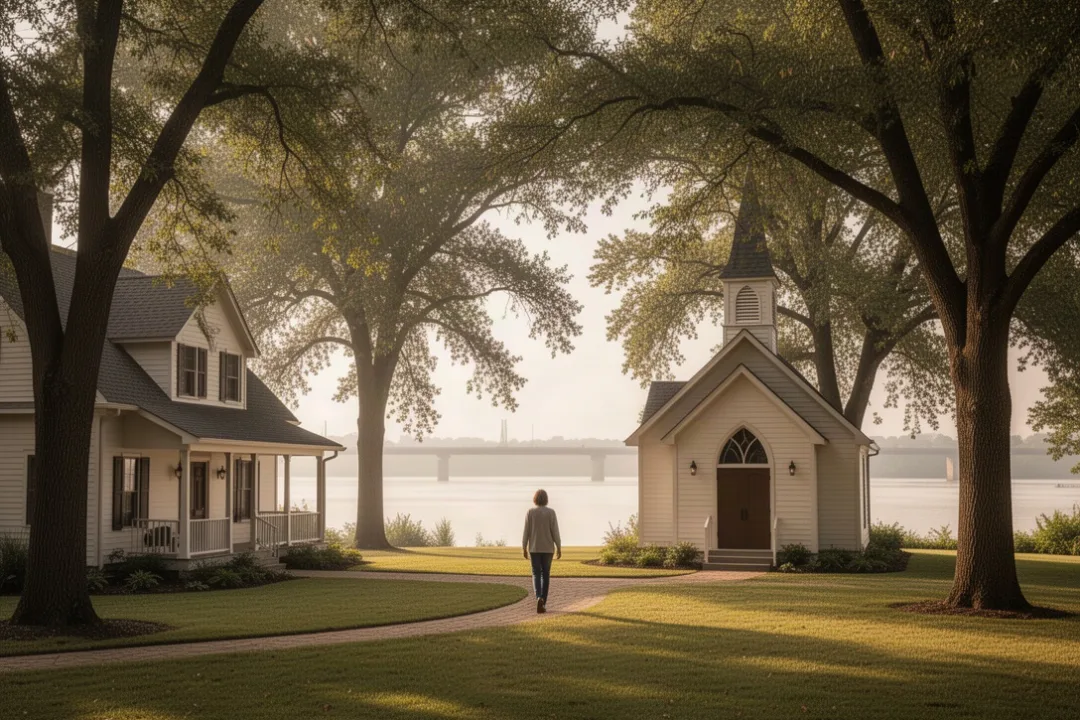
For a Manresa retreat in the United States, confirm the exact location as well. “Manresa” is used by retreat centers and spiritual programs in more than one place, while the Manresa House of Retreats in Convent, Louisiana is one prominent U.S. destination associated with the name. Verify the current address, dates, retreat type, and travel instructions through the center’s official information before making arrangements.
The best retreat is not necessarily the longest, most austere, or most secluded option. It is the one whose schedule, spiritual approach, accommodations, and level of guidance allow you to be present. Arrive with a clear but open intention, accept the pace of the retreat, and let the quiet show you what deserves your attention.
Frequently asked questions
Do I need to be Catholic to attend a Manresa retreat?
Many Manresa programs are Catholic and explicitly grounded in Ignatian spirituality, but some welcome Christians from different traditions or people who are still exploring faith. Policies differ by retreat and location. Check the program description or contact the retreat office before registering, especially if you want a retreat that is ecumenical, interfaith, or less formally liturgical.
How long should my first Manresa retreat be?
A weekend retreat or day of recollection is often a practical first experience because it introduces silence and structured prayer without requiring a long absence from home. If you already have a steady prayer practice and feel ready for deeper direction, a multi-day retreat may be appropriate. Ask the staff which format they recommend for first-time participants.
Can I attend a Manresa retreat while dealing with grief or emotional stress?
You can, but be candid with the retreat staff beforehand. A retreat may offer supportive quiet and spiritual care, yet it is not a substitute for therapy, medical treatment, or crisis services. If you are experiencing severe depression, trauma symptoms, or thoughts of self-harm, arrange professional support and tell the retreat center what accommodations or limits you may need.
What is the difference between a retreat and a vacation?
A vacation primarily gives you rest, recreation, or a change of scenery. A retreat includes intentional spiritual practices, reflection, and often some form of guidance or worship. You may still rest and enjoy nature during a Manresa retreat, but the central purpose is to pay attention to your relationship with God, your inner life, and the choices shaping your daily life.













Leave a Reply