Bible Wilderness: 7 Desert Lessons on Faith and Perseverance
Bible Wilderness: 7 Desert Lessons on Faith and Perseverance
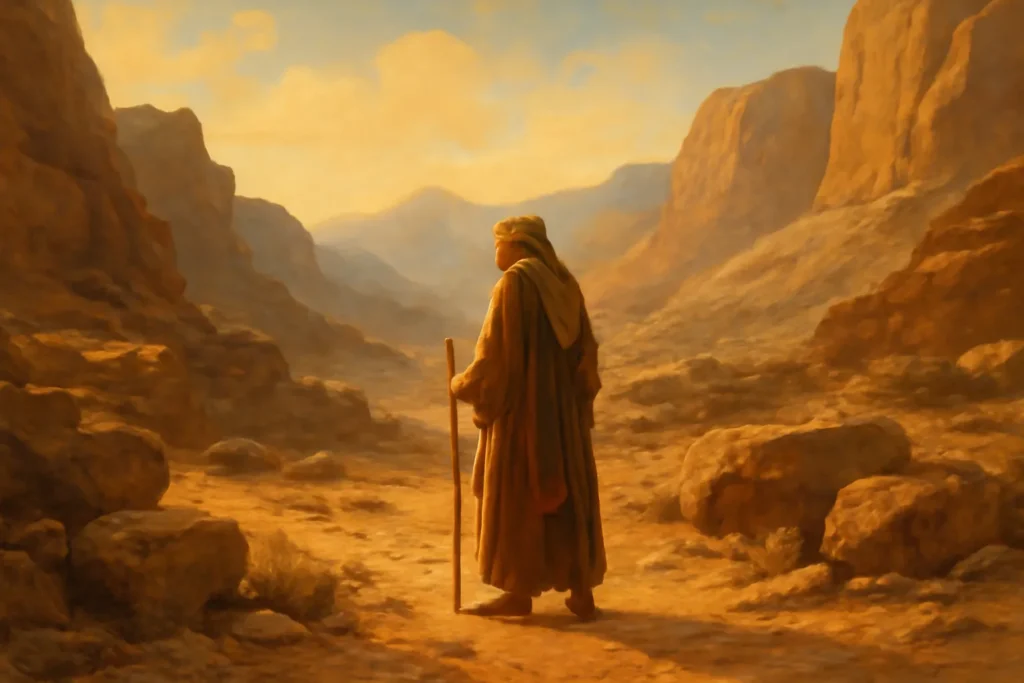
The biblical wilderness has always been more than a geography lesson. It is a powerful symbol in the sacred text—a wilderness experience that functions as a forge for character, a school for faith, and a proving ground for perseverance. From the desert wilderness surrounding ancient Israel to the solitary journeys of biblical figures, the wilderness is where destinies are clarified, identities are tested, and dependence on God is deepened. This article explores seven desert lessons drawn from the bible wilderness tradition, offering practical insights for readers navigating their own seasons of trial, longing, or spiritual drought. By examining these lessons through biblical narratives, historians’ notes, and contemporary reflections, we can learn how to translate the ancient wisdom of the Israelite wandering into everyday courage, hope, and steadfast faith.
In the wilderness journey of the Israelites, the first and most enduring lesson is that dependence on God is the daily bread of faith. The desert wilderness becomes a place where the people learn to listen for God’s voice and rely on divine provision rather than their own resources. The daily pattern of manna in the bible wilderness narrative highlights a fundamental truth: faith matures not in abundance alone, but in consistent reliance. When the people wake to find bread on the ground, they are reminded that God is enough, even when they can see nothing else.
Because the desert is not a supermarket, the Israelites must learn to trust daily provisions—no hoarding, no shortcuts.
The wilderness experience invites a posture of surrender, turning complainings into prayers and supplications rather than murmurs.
In this setting, God’s presence becomes tangible through daily acts of mercy, mercy that sustains faith with real, practical grace.
Practical takeaways
Adopt a daily dependence mindset: seek God for today’s provision, not yesterday’s memory or tomorrow’s certainty.
Create a ritual of gratitude for the ordinary gifts you receive in the desert, whether energy, time, health, or patience.
Record small mercies in a journal to build a habit of noticing God’s care in the midst of scarcity.
Lesson 2 — Craving for Comfort vs Covenant Promise
Biblical snapshots
The wilderness narrative is replete with moments when longing for familiar comforts collides with the call to press into God’s larger covenant purposes. The temptation to eat meat and long for the flesh in the desert wilderness reveals a deeper dynamic: the people momentarily mistake relief for faith. In the biblical wilderness, craving can obscure the larger fabric of God’s vow to be with his people. Likewise, the desert landscapes where Jesus faces temptation highlight a counter-cultural invitation: endure longing, not to abandon trust, but to anchor it more deeply in the promised goodness of God.
The wilderness exposes what we worship—comfort, control, certainty—or who we worship—ourselves or the Lord.
Desert seasons redirect longing toward the covenant God who invites faithful endurance, not immediate gratification.
The wilderness asks: Will you trust the source of life when satisfaction appears scarce?
Practical takeaways
Reframe moments of longing as opportunities to reaffirm trust in God’s covenant promises.
When craving flesh or quick relief arises, choose spiritual disciplines—scripture meditation, prayer, acts of service—that re-center the heart on God.
Remember the desert is not a punishment but a stage for formation; the promise remains stronger than the temporary ache.
Lesson 3 — Testing and Trust: Trials as Forge, Not Final Verdict
Biblical snapshots
A central theme in the bible wilderness is that trials are not mere obstacles but opportunities for spiritual growth. The wilderness is a laboratory where faith under pressure can emerge with sharper focus. In the wilderness of the Israelites, tests reveal the depth of trust and invite a more intimate relationship with God. Jesus’ temptation in the desert mirrors this pattern: the testing illuminates what finally drives the heart. The wilderness, in this sense, becomes a place where perseverance is forged.
Trials expose the limits of human effort and point toward divine sufficiency.
Perseverance is not passive endurance; it is a deliberate choosing of trust when answers seem delayed.
In the wilderness, setbacks can lead to a clearer sense of God’s purposes for life beyond the season of trial.
Practical takeaways
Develop a habit of turning challenges into prayers for discernment and courage.
Document lessons learned from hardship to avoid repeating unnecessary mistakes and to accelerate growth.
Invite trusted companions to journey with you, because the wilderness is less lonely when shared in community.
Lesson 4 — Community and Loneliness: The Social Texture of the Desert
Biblical snapshots
The wilderness experience in sacred history is rarely solitary. Even when individuals like Moses or Elijah walk alone for seasons, the desert is a social space in which leadership, accountability, and mutual aid emerge. The wilderness teaches that perseverance is not only a personal attribute but a communal discipline. The Israelite wandering years show how a people can sustain hope through shared rituals, memory, and collective purpose. The wilderness can amplify loneliness, yet it also reveals how God uses others to sustain faith.
Communal rhythms—boundary markers, festivals, and shared tasks—provide structure in a seemingly chaotic landscape.
Leaders emerge by serving the vulnerable, hungry, or exhausted, turning isolation into opportunity for care.
Trust deepens when the community learns to rely on God and on each other in the same breath.
Practical takeaways
Build intentional small groups or accountability partners to walk through wilderness seasons together.
Schedule regular moments of shared reflection, where people can confess fears and celebrate small victories.
Offer practical support to those in your circle who feel isolated, echoing the biblical principle of bearing one another’s burdens.
Lesson 5 — Provision, Patience, and the Rhythm of Daily Bread
Biblical snapshots
The narrative of the desert desert or bible wilderness often centers on divine provision that comes through ordinary means—manna, water from the rock, quail, and the occasional miraculous breakthrough. This rhythm—gathering what is needed for today, not for tomorrow’s anxiety—shapes a theology of daily bread. In the wilderness, the people learn to trust a God who provides in ways that remind them of their dependence on his generosity rather than their own cleverness.
The manna teaches us to depend on God’s timing—the manna appears each morning, not in excess.
Water from the rock reveals God’s willingness to meet the deepest thirst when human effort fails.
Provision in the biblical wilderness comes with a discipline—simplicity, humility, and response with gratitude.
Practical takeaways
Practice gratitude for daily provisions, keeping a journal of “daily bread” moments.
Avoid hoarding spiritual and material resources; trust God to supply what is necessary for today’s tasks.
Share resources with those who lack, mirroring the communal ethic that often accompanies the wilderness experience.
Lesson 6 — Guidance and Silence: Hearing in the Wilderness
The wilderness is a place where God often speaks with quiet, purposeful direction rather than loud thunder. The pillar of cloud and fire that guided Israel, the still small voice encountered by prophets, and the personal encounters of shepherds and wanderers in the wilderness landscape reveal a God who leads in ways that require attentive listening. In the desert journey, guidance is not distant; it is intimate, patient, and persistent, inviting the faithful to tune their senses to the divine cadence of life.
Silence can be a teacher: hunger for words can diminish the hunger for God, or vice versa.
Obedience grows where guidance is clear and where the heart is aligned with God’s purposes.
Often, the most meaningful directional cues come after seasons of doubt and waiting.
Practical takeaways
Carve out regular spaces of quiet listening—solitude with Scripture, contemplative prayer, or mindful walking in nature.
Keep a “listening log,” noting impressions, scriptures, and moments where God seemed to nudge you forward.
Seek mentors or spiritual directors who can help interpret the whispers you sense in your own desert.
Lesson 7 — Transformation and Destiny: The Wilderness as a Prologue to Mission
Biblical snapshots
The ultimate arc of the desert escape in the biblical wilderness is not merely endurance but transformation. The wanderings become a commissioning ground: a people who emerged not only with a renewed sense of identity but with a renewed sense of mission and vocation. The wilderness gives way to the promised land, but not without the interior work of God. Elijah’s desert retreat, Moses’ shepherd years, and Jesus’ preparation in the wilderness experience collectively demonstrate that the desert is a prologue—an initiation into a future, more expansive calling.
Transformation often occurs when purpose is clarified amid ambivalence and ambiguity.
Destiny emerges as the wilderness season ends and a new chapter begins, often marked by a bold step of faith.
The desert teaches that God’s plan for a people is bigger than any single personal setback.
Practical takeaways
When you sense an ending, ask what new beginning God is inviting you toward in the upcoming season.
Frame wilderness endings as invitations to enter into a larger mission with renewed courage.
Write a personal mission statement that aligns your gifts, passions, and spiritual call to the needs you sense around you.
In this exploration of bible wilderness themes, seven desert lessons emerge not as abstract ideas but as lived wisdom. The wilderness, whether one’s private trial or a shared historical journey, invites a disciplined perseverance, a robust faith, and a hopeful imagination for the future. By looking at the wilderness in its biblical form—its trials, its provisions, its silence, and its community—we gain a framework for engaging our own deserts with courage and discernment.
If you are navigating a wilderness season of your own, consider using the seven lessons as a scaffold for reflection:
Dependence: Where is God asking you to depend more deeply on him today?
Longing: How can longing for comfort become longing for covenant promises?
Testing: Which trial is refining your faith right now?
Community: Who can walk with you in this season and offer accountability and care?
Provision: What daily bread are you grateful for, and how can you steward resources well?
Guidance: What voices or practices help you hear God’s direction with clarity?
Transformation: How might this wilderness season prepare you for a broader mission?
The biblical wilderness is not merely a backdrop for ancient tales; it is a living invitation to participate in the same ongoing pattern of faith, endurance, and revelation. By engaging with these desert lessons, readers can cultivate a steady, resilient spirituality that remains robust whether the road is clear or shrouded in dust. May your own journey through the desert of faith be marked by courage, compassion, and a confident trust in the promises that lie just beyond the horizon.












Leave a Reply