Bible Feast: Exploring Biblical Feasts, Their Meaning, and Spiritual Lessons
Bible Feast: Exploring Biblical Feasts, Their Meaning, and Spiritual Lessons
The Bible presents a sacred calendar of events known as the feasts of the Lord, or the appointed times when the people of God gather to remember, worship, and anticipate God’s redemptive work. These biblical feasts—also called feasts in Scripture, festivals, or simply the feasts—function on multiple levels: historical remembrance, corporate worship, agricultural cycle alignment, and prophetic pointer toward the coming Messiah. This article surveys the major biblical feasts, explains their meaning, and draws out the spiritual lessons that readers today can glean from these sacred assemblies.
Understanding the Framework of the Feasts in Scripture
To study the biblical feasts is to engage with a rhythm that God provided for His people. The feasts are not merely cultural celebrations; they are covenantal signets that convey messages about redemption, holiness, community, and hope. In Leviticus 23, the Lord enumerates these appointed times, often distinguishing between the spring feasts and the autumn feasts, as well as the recurring weekly rhythm of the Sabbath. The term moedim—often translated as “appointed times” or “festivals”—helps capture the sense that these occasions are divinely determined moments for encounter with God.
Historic memory: each feast retells a story of God’s redemptive acts in history, from liberation in Egypt to the establishment of a covenant community.
Covenant identity: the feasts shape the people’s sense of who they are as a people set apart for God.
Agricultural symbolism: many of the signs and rituals align with crops and harvest cycles, teaching dependence on God’s provision.
Messianic foreshadowing: the feasts display typology that Christians interpret as pointing to the person and work of Jesus Christ.
Throughout Christian history, readers have used these appointed times to deepen faith, study Scripture, and explore how the gospel speaks to each festival. The diversity of practice among Christian communities today reflects a spectrum of engagement with the bible feast calendar—ranging from liturgical observance to reflective study of its symbols.
Spring Feasts: Passover, Unleavened Bread, Firstfruits, and Weeks
The first half of the biblical year contains a cluster commonly called the spring feasts. Each festival invites worship and contemplation around deliverance, purity, and anticipation of future fulfillment. The Passover and its associated days form the cornerstone of this block, followed by the Unleavened Bread, the Firstfruits, and the Feast of Weeks (also known as Pentecost).
Passover (Pesach)
Passover commemorates the dramatic deliverance of Israel from slavery in Egypt. It centers on the 10th plague and the blood on doorposts that spared the firstborn of the households that trusted in the Lord’s instructions. In the biblical narrative, the night of Passover marks a turning point—exit from oppression, birth of nationhood, and the establishment of a covenantal relationship with God.
Key elements you’ll encounter in biblical teaching and in traditional observance include:
The Passover lamb whose blood signified protection and mercy.
Ritual meals that retell the exodus narrative.
A strong emphasis on redemption and the cost of freedom.
The shift from a historical event to a living reminder of God’s saving power.
In Christian interpretation, Passover is frequently seen as a prefigurement of Christ—“our Passover” whose sacrifice delivers believers from sin. This typology is especially evident in apostolic writings that connect Jesus’ crucifixion with the symbolism of the lamb, blood, and deliverance.
Unleavened Bread
The Unleavened Bread festival immediately follows Passover and lasts seven days. Its primary motif is purity and separating from the old leaven of corruption to emphasize holiness before God. The absence of leaven during this time becomes a tangible reminder of the need to examine one’s life, repent of sin, and pursue righteousness.
Important facets of the Unleavened Bread festival include:
A focus on purity and ceremonial cleanliness in personal and community life.
The connection to the immediate aftermath of the exodus, when the people hurried out of Egypt and did not have time to let bread rise.
A signal that spiritual readiness is as essential as ritual ritualism—inner devotion paired with outward worship.
Firstfruits
Firstfruits marks the beginning of the harvest season and represents a pledge that the harvest to come belongs to God. It is a reminder that God’s provision is trustworthy and that the people respond with gratitude and worship as soon as the ground yields its bounty.
While Firstfruits has agricultural significance, its deeper spiritual message centers on:
Recognition that all gifts and blessings come from the Lord.
Gratitude expressed through offerings that acknowledge God’s faithfulness.
Hope and anticipation for the fuller harvest—an invitation to trust God for future abundance.
In Christian terms, some traditions see the fulfillment of Firstfruits in the resurrection of Jesus, who is described as the firstfruits of those raised from the dead, a sign of God’s plan for universal redemption.
Pentecost (Feast of Weeks)
Pentecost completes the spring sequence and occurs fifty days after Firstfruits. It celebrates the wheat harvest and, in a theological arc, signifies reception of the Law by the people at Sinai and, later in Christian thought, the outpouring of the Holy Spirit for empowering the church for mission.
Key motifs include:
Recognition of God’s bountiful harvest and the duty to steward it well.
The coming of the Spirit in New Testament accounts, often linked to the birth of the church and the empowering presence of God for witness.
A bridge between the old covenant ritual life and the new covenant expansion of God’s plan beyond Israel to all nations.
Autumn Feasts: Trumpets, Day of Atonement, and Tabernacles
The second major block in the biblical festival calendar unfolds in the autumn season. These feasts center on awe, repentance, and the enduring presence of God among His people. The sequence typically includes the Feast of Trumpets, the Day of Atonement, and the Tabernacles (Sukkot).
Trumpets marks the beginning of a period of reflection, worship, and anticipation for what God will do next. In Jewish tradition, it is a time to awaken to the holy, examine the heart, and prepare for the following solemn days. The sound of the shofar is a powerful auditory cue that calls people to attention.
In biblical thinking, this feast emphasizes:
God’s sovereignty and the call to awake to divine purposes.
Seasonal and cosmic dimensions of God’s activity—history, judgment, and hopeful longing.
Preparation for the high holy days that follow, culminating in atonement and renewed relationship with God.
Day of Atonement (Yom Kippur)
The Day of Atonement stands as the holiest day in the biblical calendar. It centers on atonement, sacrifice, and reconciliation between God and His people. In Leviticus, the rituals involve offerings, the cleansing of the sanctuary, and the purification of the high priest and the community. This day calls believers to repentance, humility, and spiritual renewal.
Major themes include:
Recognition of sin and the need for cleansing and reconciliation with God.
A model for corporate and personal confession leading to transformed lives.
The anticipation of ultimate reconciliation and the restoration of broken relationships with God and neighbor.
Tabernacles (Sukkot)
Tabernacles celebrates God’s presence among the Israelite community during their wilderness journey, when God tabernacled with His people in the desert. It also emphasizes hospitality, gratitude for God’s provision, and the idea of living in fragile dependence on God in a world that is temporary and unsettled.
Main aspects include:
Sacramental emphasis on dwelling with God and with one another in a temporary shelter, reflecting trust in God’s sustaining care.
Commemoration of wilderness wandering and the reminder that God remains faithful in uncertain seasons.
Hopeful imagery of God’s future kingdom where His presence dwells with His people in fullness.
Symbolism, Typology, and Theological Significance of the Feasts
Across both the spring and autumn feasts, a rich tapestry emerges in which typology suggests a deeper reality fulfilled in the person and work of Christ. The Bible often presents these symbols as signs that point beyond themselves to God’s redemptive plan in history and in the future.
Deliverance and redemption: Passover and the Exodus narrate God’s power to rescue, a pattern that Christians see fulfilled in the saving work of Jesus’ crucifixion and resurrection.
Purity and holiness: Unleavened Bread calls for inner cleanliness and moral integrity, aligning with the New Testament emphasis on righteousness and sanctification.
Firstfruits and blessing: The early harvest offerings become a pledge that all provision comes from God, paralleling New Testament language about spiritual blessings and God’s generosity toward believers.
Fulfillment of the Spirit: Pentecost’s harvest festival in the New Testament era is associated with the outpouring of the Holy Spirit for empowering Christ’s witnesses to proclaim the gospel to all nations.
Atonement and reconciliation: Yom Kippur’s emphasis on cleansing anticipates the atoning work of Christ that reconciles humanity to God and heals broken relationships.
Tabernacling with God: Sukkot’s imagery of dwelling with God resonates with the Christian expectation of God’s eternal, indwelling presence through the Spirit and the promise of a new creation in which God dwells with His people forever.
Jesus, the Fulfillment and Typology of the Biblical Festivals
A dominant thread in the New Testament interpretation of the bible feast calendar is that Christ fulfills the symbols and expectations embedded in the feasts. The apostolic writers frequently connect Jesus’ life, death, and resurrection with the movements of the festival year.
Jesus as the Lamb of God who takes away sin echoes the Passover sacrifice, inviting believers into a realization that redemption comes through His blood.
Christ’s teaching and resurrection align with the Firstfruits theme, presenting Him as the firstborn from the dead and the guarantee of resurrection for all who belong to Him.
The outpouring of the Holy Spirit at Pentecost is presented in Acts as the empowerment of the church for witness, mirroring the agricultural and communal expansion the Feast of Weeks anticipated.
The Day of Atonement’s emphasis on cleansing foreshadows the complete reconciliation accomplished by Jesus, making possible a restored relationship with God for all who place trust in Him.
In the vision of the Kingdom, Tabernacles echoes the ultimate reality where God dwells with humanity, fulfilling the deeper desire for intimate, unbroken fellowship with the Creator.
Different Christian traditions emphasize these connections in distinctive ways, but the throughline remains: the biblical feasts illuminate the narrative arc of redemption and point readers toward the person and work of Jesus Christ.
Practical Application: Observing the Feasts Today
For modern readers, engaging with the feasts of the Bible can be a meaningful spiritual discipline that deepens understanding and enhances devotion. People approach these sacred seasons in different ways, ranging from liturgical calendars within churches to personal devotional study at home. The following considerations can help readers apply the teachings of the bible feast in a thoughtful and respectful manner.
Study the core texts: Leviticus 23 and related passages lay the foundation for understanding each festival’s purpose and timing. Reading the Exodus narrative in parallel can illuminate the theme of deliverance and covenant.
Reflect on Christ-centered fulfillment: For Christians, exploring how each feast points to Jesus can enrich faith and provide a coherent interpretation of Scripture across testaments.
Practice could be flexible: Observance may be adapted to life circumstances. Families might gather for a Passover meal, reflect on repentance during Yom Kippur, or study the Spirit’s work at Pentecost.
Emphasize hospitality and community: Several feasts invite communal participation. Sharing meals, inviting neighbors, and serving the vulnerable can embody the spirit of the biblical feasts today.
Balance and discernment: While some communities observe the feasts with liturgical precision, others engage through learning and personal reflection. It is helpful to maintain a heart posture of reverence rather than legalism.
Here are some practical ideas for individuals, families, and churches seeking to incorporate the biblical festival calendar into spiritual rhythms:
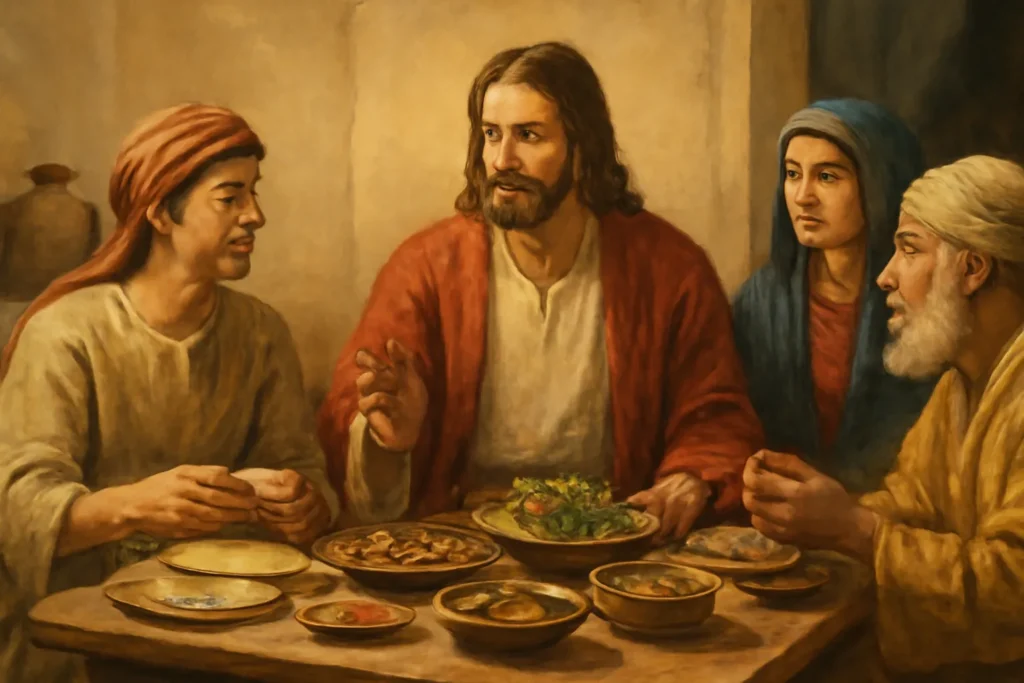
Host a symbolic Passover Seder or a simplified communion-themed meal during Holy Week to connect the Exodus story with Christ’s redemptive work.
Dedicate a study night to the Feast of Weeks, exploring how the Spirit’s empowerment transformed early Christian mission and how believers today partner with that same Spirit for ministry.
Hold a quiet retreat or prayer service during the Day of Atonement season, focusing on confession, forgiveness, and reconciliation with God and others.
Include a family time of gratitude and blessing during Firstfruits, thanking God for provisions and inviting generosity toward those in need.
Use the autumn feasts as opportunities to discuss God’s presence and faithfulness, especially in seasons of uncertainty, drawing on the imagery of dwelling with God in Tabernacles.
Benefits of Studying the Feasts for Personal Spiritual Formation
Engaging with the bible feast calendar can foster several meaningful spiritual benefits. These include:
Historical awareness: Understanding how God worked in history fosters a sense of continuity between the Old Testament and the New Testament.
Holiness and community life: The feasts encourage corporate worship, ethical reflection, and communal responsibility, strengthening the church’s common life.
Hope and anticipation: The prophetic undertones of the feasts invite believers to anticipate God’s future fulfillment and the coming of His kingdom.
God-centered gratitude: Regular remembrance of God’s acts cultivates a posture of gratitude and trust in His provision.
Common Questions About the Biblical Festivals
Families and individuals often ask how to approach these ancient practices in a modern context. Here are concise answers to some frequently asked questions.
Are Christians required to observe the biblical feasts?
Observance is not a biblical requirement for all believers, but many Christians find that engaging with the feasts strengthens faith, clarifies the gospel narrative, and deepens worship. The key is to honor the intention of the festivals while avoiding legalism.
Do all Christian denominations celebrate these feasts?
No. Practices vary widely. Some churches incorporate teaching and seasonal liturgical emphasis, while others focus on broad biblical themes without formal observance. The aim is to honor Scripture’s theological richness without missing the central message of Christ’s salvation.
What is the relationship between the biblical feasts and the Church today?
The feasts provide a doctrinal framework for understanding salvation history, the personality of Jesus, and the coming Kingdom. In that sense, they function as a catechetical tool—teaching the church to interpret Scripture faithfully and to live in hopeful obedience.
Conclusion: Learning from the Bible Feast Calendar
In the final analysis, the bible feast calendar is more than a collection of rituals. It is a theological itinerary that narrates God’s acts of salvation, sanctification, and anticipation. From the bold rescue of the Passover to the intimate promise of God’s permanent presence in Tabernacles, each festival invites a response—gratitude, repentance, worship, and mission. By studying the feasts of the Lord, readers gain a more integrated understanding of the Bible, the person of Jesus Christ, and the ongoing work of the Holy Spirit in founding a people who live by faith, hope, and love.
Whether you approach these sacred festivals as a historical-religious study, as a framework for devotional life, or as a bridge to greater church unity, the central aim remains the same: to know God more deeply through His astonishing acts of deliverance, to live as a people set apart, and to anticipate the full revelation of His glory among all nations. The biblical feasts, in their grandeur and variety, invite us into that journey—one that starts with remembrance and leads to enduring transformation in Christ.













Leave a Reply