All Souls Day is observed on November 2 every year. It is a Christian day of prayer and remembrance for people who have died, especially within the Catholic tradition, where it is formally called the Commemoration of All the Faithful Departed.
The date comes immediately after All Saints Day on November 1. Although the two observances are connected, they have different purposes: All Saints Day honors the saints, while All Souls Day remembers all the faithful departed. Families may attend church, visit graves, light candles, share memories, or pray for relatives and friends who have died.
All Souls Day has a fixed date: November 2. Unlike holidays that move according to the lunar calendar, it does not change from year to year. The day of the week changes, but the calendar date remains the same.
All Souls Day: November 2
All Saints Day: November 1
All Hallows’ Eve, or Halloween: October 31
For example, All Souls Day falls on a Monday in 2026. In years when November 2 is a Sunday, many Catholic communities observe the commemoration during that Sunday’s liturgy. Local church calendars can explain how the observance is scheduled, particularly when it coincides with another important celebration.
The short answer: Mark November 2 on your calendar. If you plan to attend Mass or another service, check the schedule of your local church because service times and liturgical customs vary.
What All Souls Day commemorates
All Souls Day remembers all Christians who have died. In Catholic teaching, the day is especially associated with prayer for the dead and with the belief that God’s mercy reaches beyond earthly life. People may pray for recently deceased relatives, ancestors, friends, and others whose names are known only to God.
The observance gives communities a formal time to face grief and mortality without treating death as an abstract idea. A name read aloud at a service, a photograph placed near a candle, or a visit to a family grave can make remembrance personal and concrete.
For Catholic Christians, All Souls Day is also connected with the doctrine of purgatory, understood as a state of purification for those who die in God’s friendship but still need spiritual cleansing. Other Christian traditions may honor the departed without accepting that teaching, so the meaning of the day differs from one church to another.
How All Souls Day differs from All Saints Day
All Saints Day and All Souls Day form a closely related pair, but they are not interchangeable. All Saints Day is November 1 and focuses on saints—both those formally recognized by the church and the many holy people believed to be with God whose names are not widely known.
All Souls Day is November 2 and focuses on the faithful departed. The distinction is easiest to remember this way: All Saints Day celebrates the saints, while All Souls Day offers remembrance and prayer for the dead.
November 1: Christians honor the saints and celebrate their witness.
November 2: Christians remember the departed and pray according to their tradition.
October 31: Halloween, or All Hallows’ Eve, is the evening before All Saints Day.
The three dates can appear together in seasonal displays, worship schedules, and community events. Their relationship explains why late October and early November often have such a strong connection with saints, death, memory, and the hope of eternal life.
Why November 2 was chosen
The practice of setting aside a special day for the dead developed from older Christian customs of praying for deceased believers. Medieval monastic communities helped establish a common observance, and the tradition associated with the monastery of Cluny spread widely through the Western church.
November 2 follows All Saints Day because the two days express the broad Christian idea of the communion of saints: the living, the saints in heaven, and the faithful departed are understood as connected in worship and prayer. The exact theological explanation differs by denomination, but the calendar placement reflects that relationship.
All Souls Day also comes during a season when many cultures naturally reflect on the passing of the year. Shorter days, changing weather, and traditional harvest customs have often made autumn a time for remembering ancestors. Christian observance developed within that wider human pattern of honoring those who came before us.
How Catholics commonly observe All Souls Day
There is no single required way for every family to observe All Souls Day. A parish may offer a special Mass, display the names of parishioners who died during the past year, or invite families to bring the names of loved ones for prayer. Some churches hold a cemetery service or bless graves.
At home, people often create a quiet memorial practice that fits their family’s faith and culture. The purpose is not to copy a particular custom but to make space for prayer, gratitude, grief, and hope.
Attend a worship service. Look for a Mass, prayer service, or memorial gathering on November 2.
Write down names. Prepare a list of deceased relatives and friends to remember during prayer.
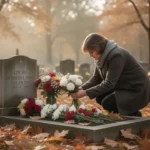
Visit a cemetery. Clean a gravestone, place flowers, or spend a few quiet minutes at the grave.
Light a candle safely. Use a candle as a sign of remembrance, following household and church safety rules.
Share stories. Tell children and younger relatives about the character, work, faith, or kindness of people who have died.
Offer practical care. Reach out to someone who is grieving, since the season may intensify feelings of loss.
Some families pray traditional prayers for the dead, while others read a psalm, sit in silence, or speak honestly about their grief. A person does not need a formal religious background to use the day as an opportunity for respectful remembrance.
What happens during an All Souls Day service
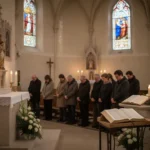
A Catholic All Souls Day Mass may include readings about death, resurrection, mercy, and eternal life. The congregation prays for the departed, and the priest may mention that the Eucharist is being offered for them. The service can be solemn, but it is not simply a celebration of sadness.
Many parishes include the names of people who died during the previous year. Some light candles for them or invite relatives to bring a candle forward. Others decorate the church with a remembrance book, photographs, or flowers, depending on local custom.
The service may feel different from a funeral. A funeral centers on one person or family and usually takes place soon after death. All Souls Day is communal and collective: it brings many names and families together in one act of remembrance.
All Souls Day creates a shared place for remembering people whose lives remain part of the community.
Churches outside the Roman Catholic tradition may hold a similar service under another name or include prayers for the departed at another point in the year. If you attend a church with a different tradition, its pastor or published calendar can clarify the local practice.
How All Souls Day relates to Día de los Muertos
All Souls Day and Día de los Muertos, or Day of the Dead, are related in the calendar but are not identical observances. Día de los Muertos is a diverse Mexican and Mexican American tradition that generally takes place on November 1 and 2, with regional differences in timing and practice.
Both involve remembering people who have died, and Catholic history influenced some Día de los Muertos customs. However, Día de los Muertos also includes Indigenous Mexican traditions, family altars called ofrendas, specific foods, marigolds, decorations, music, and regional community practices.
It is inaccurate to treat the two observances as simple translations of one another. A Catholic family may observe both, but they should be understood on their own terms. All Souls Day is a Christian liturgical commemoration, while Día de los Muertos is a broader cultural and religious tradition with its own history and symbolism.
How different Christian traditions remember the dead
The strongest formal connection to All Souls Day appears in Catholicism, especially in churches that follow the Western liturgical calendar. Anglican and some Lutheran communities may also observe a day for the departed, often using names such as All Souls’ Day, Commemoration of the Faithful Departed, or a similar title.
Eastern Orthodox churches have their own days for remembering the dead, known in some traditions as memorial Saturdays. These dates do not necessarily match November 2. Other Protestant churches may remember the departed on All Saints Day, during a memorial service, or at another time chosen by the congregation.
Because Christian beliefs about praying for the dead vary, the same date can carry different meanings. Some churches pray that God will grant rest and mercy to the departed. Others emphasize thanksgiving for their lives and the hope of resurrection, while avoiding prayers understood as changing the dead person’s spiritual condition.
If you are unsure what a particular church believes, read its service description or ask a clergy member. There is no universal Christian practice governing every All Souls Day observance.
What the Bible says about remembering the dead
The Bible does not establish November 2 as an annual observance. All Souls Day developed through Christian tradition and church calendars rather than from a direct biblical command assigning that date.
Many services draw on biblical passages about mortality, resurrection, comfort, judgment, mercy, and hope. For example, passages such as John 11, Romans 8, 1 Corinthians 15, and Revelation 21 are often associated with Christian reflection on death and new life. The exact readings depend on the denomination and the year.
People who want a private observance can read one of these chapters, reflect on its message, and remember a loved one in prayer. The purpose is not to claim that the Bible gives a specific All Souls Day ritual, but to connect remembrance with the broader Christian themes of trust in God and hope beyond death.
Is All Souls Day a holy day of obligation?
In the Roman Catholic Church, All Souls Day is generally not a universal holy day of obligation in the same way as certain major solemnities. Catholics may still be strongly encouraged to attend Mass, and individual dioceses or communities may offer special services.
Holy day rules can depend on a country, diocese, or local calendar. The fact that All Souls Day falls on a Sunday can also affect the schedule and liturgical status of the celebration. Your parish bulletin, diocesan website, or priest can give the applicable answer.
Even when attendance is not required, many people choose to participate because the day provides a meaningful opportunity to pray for the dead and support those who are grieving. A cemetery visit or home prayer can also be appropriate when attending a service is not possible.
How to observe All Souls Day at home
A home observance can be simple and respectful. Set aside a few minutes on November 2, place a photograph or another meaningful object in a quiet area, and name the people you want to remember. You might say a prayer, read a passage, or sit silently.
If children are participating, explain death in language suited to their age and allow them to ask questions. Invite them to draw a picture, write a memory, help choose flowers, or listen to a story about a deceased relative. Avoid presenting one cultural practice as universal; families observe remembrance in many different ways.
Prepare a small memorial space with a photograph, flowers, or a candle.
Cook a dish connected with a loved one or family tradition.
Call a relative who may be grieving.
Visit a cemetery during daylight and follow its posted rules.
Record family stories before details are forgotten.
Donate time or supplies in memory of someone who cared about a particular cause.
For a safe cemetery visit: Go during posted hours, use marked paths, respect other graves, and follow rules about flowers, candles, decorations, and photography. Remember that cemeteries are shared spaces for many grieving families.
How to explain All Souls Day to children
A clear explanation can begin with the date: “All Souls Day is November 2, and it is a day when many Christians remember people who have died.” Then explain that families may pray, visit graves, look at photographs, or tell stories about those people.
Children may ask whether the dead can hear them, where people go after death, or why adults are crying. Answer honestly within your family’s beliefs. It is acceptable to say that different people understand these questions differently and that you do not know every answer.
Keep the focus on both love and loss. A child can learn that remembering someone may feel sad and comforting at the same time. If a child has recently experienced bereavement, avoid pressuring them to participate in a service or ceremony.
What to do if All Souls Day is painful
Remembrance days do not affect everyone in the same way. For someone who has lost a loved one recently, November 2 may bring intense grief. Another person may feel disconnected because a death occurred long ago, because family relationships were difficult, or because religious observance is unfamiliar.
You can choose a quieter form of remembrance or skip a particular activity. Attending a service is not a requirement for honoring someone, and grief does not follow a calendar. A conversation with a trusted friend, clergy member, counselor, or grief-support group may help if the day feels overwhelming.
Support other mourners with practical kindness rather than trying to force a positive message. Listening, preparing a meal, accompanying someone to a cemetery, or remembering an important anniversary can be more helpful than offering explanations about why the loss happened.
What to remember about the date
The essential answer is straightforward: All Souls Day is November 2. It is a day dedicated to remembering the faithful departed, especially within Catholic Christianity, and it is closely connected to All Saints Day on November 1.
The way people observe it depends on denomination, country, family history, and culture. You may encounter a Mass, cemetery prayers, candles, flowers, memorial books, family meals, or a quiet personal ritual. Each can express the same basic human act: keeping the memory of the dead present with care and respect.
Check your local church calendar for service times and customs. If you are observing at home, choose a practice that is safe, sincere, and appropriate for the people you are remembering.
Frequently asked questions
Is All Souls Day always on November 2?
Yes. All Souls Day has a fixed annual date of November 2. The weekday changes each year, and a local church may adjust its service schedule or liturgical details when the date falls on a Sunday or coincides with another observance. The calendar date itself remains November 2.
What is the difference between All Souls Day and All Saints Day?
All Saints Day is November 1 and honors the saints, including holy people whose names may not be widely known. All Souls Day is November 2 and remembers the faithful departed. In Catholic tradition, the second day particularly includes prayer for those who have died and are understood to be undergoing purification.
Do you have to attend church on All Souls Day?
All Souls Day is generally not a universal Catholic holy day of obligation, although local rules can differ. Many parishes still hold special Masses or memorial services. You can also observe the day privately through prayer, a cemetery visit, family remembrance, or a gesture of support for someone who is grieving.
Is All Souls Day the same as Día de los Muertos?
No. The observances overlap around November 1 and 2 and share themes of remembering the dead, but they have different histories and customs. All Souls Day is a Christian liturgical commemoration. Día de los Muertos is a diverse Mexican and Mexican American cultural and religious tradition involving regional practices such as family altars, food, flowers, and storytelling.











Leave a Reply