Prayers for law enforcement officers and their families
Prayers for law enforcement officers and their families
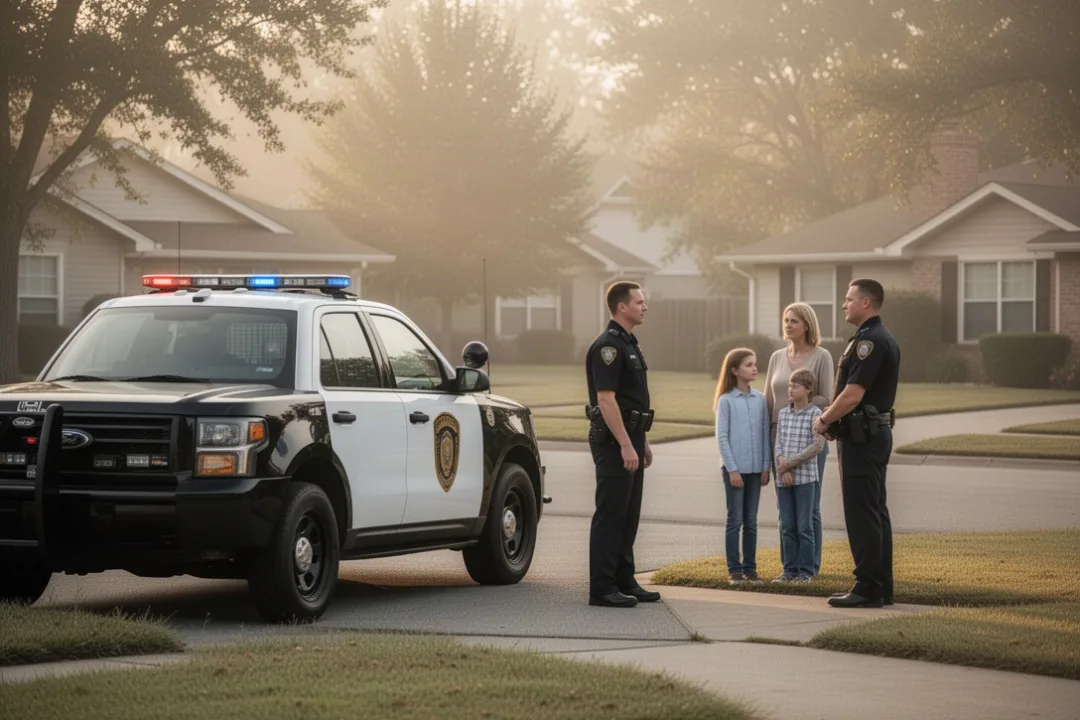
If you are looking for prayers for law enforcement, you can pray for officers’ safety, wisdom, courage, integrity, compassion, and peace. You can also pray for dispatchers, civilian staff, families, victims, witnesses, and communities affected by crime or difficult encounters.
A useful prayer does not need complicated language. Speak honestly to God, name the people and situations you know, and ask for both protection and righteous conduct. The prayers below can be read privately, shared with a family or congregation, or adapted for a police department, sheriff’s office, campus agency, corrections facility, or emergency communications center.
Why prayer for law enforcement should include both safety and accountability
Law enforcement officers often make consequential decisions under pressure, sometimes with limited information and little time. They may respond to violence, domestic disputes, accidents, mental health crises, missing-person cases, traffic emergencies, and situations that remain emotionally difficult long after a shift ends.
Praying for an officer’s safety is appropriate, but safety is not the only concern. Prayer can also ask for good judgment, restraint, honesty, fairness, and respect for human dignity. Those qualities matter to the people officers serve as well as to the officers themselves.
A balanced prayer recognizes that every person involved has worth. It can support the legitimate work of public safety while still asking God to bring healing where someone has been harmed, wisdom where facts are disputed, and accountability when authority is misused.
A balanced focus: Pray for officers to be protected from danger and guided toward courage, restraint, truthfulness, impartiality, and compassionate service.
What to include when praying for law enforcement
You can organize your prayer around a few clear needs instead of trying to mention everything at once. These points offer a practical framework:
Protection: Ask for safety during calls, transportation, training, investigations, arrests, and other duties.
Wisdom: Pray that officers recognize important details, assess risk accurately, and make sound decisions.
Integrity: Ask for honesty in reports, testimony, evidence handling, investigations, and daily conduct.
Restraint: Pray for calm responses, appropriate use of authority, and the ability to slow down when circumstances allow.
Compassion: Ask officers to see the person behind the crisis and communicate with patience.
Justice: Pray that victims receive care, the accused are treated lawfully, and facts are handled fairly.
Emotional health: Remember stress, grief, trauma, moral injury, exhaustion, and the need for healthy support.
Families: Pray for spouses, children, parents, and others who live with uncertainty about an officer’s work.
Community trust: Ask for honest relationships between agencies and the people they serve.
These categories help keep prayer from becoming limited to the idea that officers need to be physically safe. Public safety depends on character, competence, accountability, and relationships, not only on protection from external threats.
A step-by-step way to pray for an officer or agency
If you are praying regularly, a simple pattern can help you remain specific. You may use the same pattern in a few minutes or expand each part into a longer prayer.
Name the person or group. Pray for a particular officer, a patrol shift, dispatchers, investigators, supervisors, or the whole agency.
Name the work. Mention the situations they may face, such as domestic calls, traffic stops, investigations, courtroom testimony, or crisis response.
Ask for practical protection. Pray for alertness, sound equipment, dependable partners, safe travel, and timely assistance.
Ask for moral clarity. Pray for truthfulness, impartiality, restraint, courage, and respect for lawful procedures.
Remember everyone affected. Include victims, families, witnesses, suspects, bystanders, and neighborhoods.
Pray for what happens afterward. Ask for accurate reports, appropriate follow-up, emotional support, and honest review of difficult events.
End with a specific act of care. Consider sending an encouraging note, supporting a local victim-services organization, or learning about community resources.
This approach keeps prayer connected to real life. It also helps you avoid making assumptions about a particular incident. When details are uncertain, pray for truth to be established and for every person with responsibility to act wisely and honestly.
A general prayer for law enforcement officers
God of mercy and justice, please watch over law enforcement officers as they serve. Give them clear minds, steady judgment, courage without recklessness, and strength for duties that may be physically and emotionally demanding.
Protect them as they travel, answer calls, investigate harm, assist people in crisis, and work alongside their partners. Help them notice danger without treating every person as a threat. Give them patience when situations are tense and the wisdom to choose the safest lawful response available.
Guide their words and actions. Keep them truthful in reports and testimony, careful with evidence, respectful toward every person, and willing to accept correction. Let authority be exercised with humility rather than pride, and let compassion remain present even when firm action is necessary.
Bring comfort to officers who have witnessed injury, death, abuse, or great fear. Help them seek support before stress becomes isolation. Strengthen their families and give their loved ones peace during long shifts and uncertain calls. Amen.
God, be near to this officer during the coming shift. Help them remain alert, observant, and calm. Give them reliable judgment when information is incomplete and help them recognize when to wait, communicate, create distance, request assistance, or take immediate action.
Protect the officer, their partner, other responders, and the public from needless harm. Guide their movements and decisions without encouraging fear or suspicion. Let them treat each person with dignity, including people who are angry, confused, intoxicated, frightened, or unable to explain what is happening.
Give the officer courage to do what is right, humility to listen, and restraint when restraint can preserve life and safety. Place trustworthy colleagues around them. Bring them home safely, and help them release the pressures of the shift in healthy ways when their work is finished. Amen.
Prayer for police officers, deputies, and patrol teams
Lord, support the officers and deputies who patrol our roads, neighborhoods, campuses, and rural communities. Help them remain attentive to ordinary needs as well as serious emergencies. Give them the patience to answer questions, the skill to de-escalate conflict, and the courage to intervene when someone is in danger.
Strengthen their teamwork. Help partners communicate clearly, supervisors provide responsible guidance, and agencies maintain training that prepares people for physical danger, legal responsibilities, mental health crises, and the effects of trauma.
May these officers remember that every stop, conversation, search, arrest, and report can affect a person’s future. Guide them to act impartially and to use their authority carefully. Protect them from corruption, cruelty, needless escalation, and the temptation to let fatigue or frustration control their decisions. Amen.
Prayer for dispatchers and emergency communications staff
God, strengthen the dispatchers and communications professionals who receive frightened voices, incomplete information, and urgent requests for help. Give them focus while several calls, radio channels, screens, and priorities compete for their attention.
Help them ask the right questions, record details accurately, and send appropriate resources as quickly as circumstances permit. Give them calm voices that help callers think clearly. Protect them from carrying every crisis alone, and provide supervisors and coworkers who recognize the weight of their work.
When a call ends in injury, death, violence, or uncertainty, give these professionals room to process what they heard and did. Support their sleep, relationships, and emotional health. Let their careful work connect people in danger with responders who can help. Amen.
Prayer for investigators, prosecutors, and evidence teams
God of truth, guide those who investigate crimes and prepare cases for court. Help them remain patient, thorough, and open to facts that do not fit an early assumption. Protect the integrity of evidence, records, interviews, digital material, and every other part of the investigative process.
Give investigators wisdom to distinguish reliable information from rumor, pressure, or bias. Help them treat victims and witnesses with care while respecting the rights of people accused of wrongdoing. Give prosecutors and legal professionals courage to pursue just outcomes rather than merely easy outcomes.
Where a case is complex or painful, provide perseverance and sound counsel. Expose deception without encouraging prejudice. Help everyone responsible for the case speak accurately, correct errors, and remember that justice requires both accountability and fairness. Amen.
Prayer for officers responding to mental health and substance-use crises
Lord, be present when officers encounter people experiencing mental illness, suicidal thoughts, dementia, severe distress, intoxication, or withdrawal. Give responders the patience to listen and the awareness to recognize that unusual behavior may have a medical or psychological cause.
Guide officers, clinicians, family members, and other responders toward the safest available care. Help them use calm communication, appropriate distance, time, and specialized resources whenever those options can protect everyone involved. Give them courage to act decisively when immediate danger leaves no safe alternative.
Protect people in crisis from shame, needless injury, and being forgotten after the emergency ends. Help agencies build strong connections with treatment providers, crisis teams, shelters, and families. Give officers support after difficult calls, especially when the outcome is painful or uncertain. Amen.
Prayer for victims, survivors, and families after a crime
God, draw near to people who have been harmed by violence, theft, abuse, neglect, or another crime. Give them safety, practical help, trustworthy advocates, and the freedom to make decisions at a pace their circumstances allow.
Comfort those who are frightened, grieving, angry, confused, or exhausted. Help investigators and service providers communicate clearly without treating victims as evidence rather than people. Give families wisdom as they support someone whose sense of safety has been shaken.
Provide medical care, counseling, housing, financial assistance, legal guidance, and protection where needed. Bring truthful information to light and help the justice process avoid adding unnecessary harm. Give survivors control over what they can control, patient support for what takes time, and companions who do not pressure them to heal on someone else’s schedule. Amen.
Prayer for law enforcement families
God, care for the families of officers and other public safety professionals. Be with spouses, partners, children, parents, and loved ones who may wait through late shifts, missed holidays, difficult anniversaries, and calls that cannot be discussed in detail.
Give these families honest communication, practical support, and healthy ways to manage fear. Help officers be emotionally present at home when they can, and help loved ones understand that silence after a hard shift may reflect exhaustion rather than a lack of care.
Protect families from isolation and from believing they must handle every burden privately. Provide trusted friends, peer support, counselors, faith communities, and other resources when needed. Comfort those who mourn a death in service, and give them compassionate people who remember their loss beyond the first days of public attention. Amen.
Prayer for supervisors, chiefs, sheriffs, and agency leaders
Lord, give leaders in law enforcement wisdom that reaches beyond daily operations. Help them set clear standards, provide meaningful training, respond to misconduct honestly, and make decisions that protect both the public and their employees.
Give them courage to address dangerous workplace cultures, discrimination, dishonesty, retaliation, unnecessary force, and other conduct that damages trust. Help them listen to community concerns without abandoning sound evidence or lawful responsibilities.
Guide leaders in staffing, equipment, wellness programs, discipline, recruitment, and partnerships with other services. Help them recognize that accountability and officer support belong together. Let their leadership reward professionalism, humility, careful judgment, and service rather than only speed, arrest totals, or public praise. Amen.
Prayer for justice, peace, and trust in a community
God of justice, bring peace to communities experiencing violence, fear, or distrust. Protect children, older adults, vulnerable people, and everyone whose daily life is affected by crime. Give neighbors courage to seek help, care for one another, and share reliable information without spreading rumors.
Help law enforcement agencies and communities speak honestly with each other. Make room for listening, lawful disagreement, grief, reform, and practical cooperation. Give public officials wisdom to address the conditions that contribute to crime, including untreated illness, addiction, family violence, homelessness, exploitation, and lack of opportunity.
When an officer has acted with courage or kindness, help the community recognize that service. When a person has been harmed or authority has been abused, help leaders respond with truth, accountability, and care. Build trust through consistent actions rather than promises alone. Amen.
How to pray after a police shooting or other critical incident
Critical incidents can produce grief, anger, confusion, fear, and disagreement at the same time. A responsible prayer should not pretend to know every fact before an investigation is complete. Pray for immediate medical care, the safety of bystanders and responders, comfort for families, and truth in the investigative process.
You can also pray for everyone who must review evidence, speak publicly, make legal decisions, or provide care. Ask for restraint in public discussion, protection from harassment, and the courage to correct misinformation. If the event involved a death, include every grieving family, not only the people whose loss is most visible.
When facts are still developing: Avoid declaring guilt or innocence in prayer. Ask for truth, fairness, transparent review, wise leadership, and care for all people directly affected.
After an incident, practical compassion matters. Support verified relief efforts, victim services, employee assistance programs, or community organizations rather than sharing graphic details or unconfirmed claims. Prayer can accompany responsible action, respectful listening, and a willingness to learn what the people involved actually need.
Short prayers for a church service, meeting, or gathering
A public prayer should be brief enough to include the whole group and broad enough not to assume that every listener shares the same experience. It is usually better to mention service, safety, wisdom, justice, and care than to praise an agency without acknowledging the community it serves.
For a congregation: “God, protect those who serve in law enforcement and emergency communications. Give them wisdom, integrity, courage, and compassion, and comfort every family and community affected by violence.”
For a public meeting: “May those entrusted with public safety act with sound judgment, respect for human dignity, and accountability. May victims receive care, and may our community pursue peace through truth and responsible action.”
For a memorial: “God, comfort those grieving a life lost in service. Hold their family and colleagues close, and guide all who continue this work with courage, humility, and care for the people they protect.”
Before praying publicly, consider the setting. Some gatherings may include people who have been harmed by crime, experienced discrimination, lost a loved one, or had a difficult encounter with police. Use language that honors their experiences and does not pressure anyone to express a particular political or religious view.
Ways to keep praying for law enforcement over time
Regular prayer becomes more meaningful when it is connected to a consistent rhythm. You might choose one focus for each day, pray during a department’s shift change, or remember a particular agency during a weekly service.
Choose a specific focus: patrol officers, dispatchers, investigators, families, victims, leaders, or community trust.
Use current but verified information: Pray about known needs without repeating rumors or sharing private details.
Include people beyond your own experience: Remember residents, officers, critics, advocates, medical staff, and service providers.
Pair prayer with learning: Understand local crisis resources, victim services, agency policies, and community concerns.
Offer practical support: Donate to reputable organizations, provide meals through appropriate channels, volunteer, or check on a family.
Review your own assumptions: Ask whether your prayer reflects both concern for safety and concern for fairness, dignity, and accountability.
Prayer does not remove the need for professional training, lawful procedures, independent review, treatment services, or community participation. It can shape the spirit in which those responsibilities are carried out. When prayer leads to greater honesty, compassion, courage, and care for the vulnerable, it becomes a practical expression of concern for the whole community.
Bible passages that can guide prayer without treating them as slogans
Several biblical passages offer themes that can shape prayer for public servants and people facing danger. Psalm 23 speaks to God’s presence and guidance in threatening circumstances. Micah 6:8 points toward justice, mercy, and humble conduct, qualities relevant to anyone entrusted with authority.
Romans 12:18 encourages people to pursue peace where that is possible, while James 1:19-20 emphasizes listening, controlled anger, and caution about human anger producing righteous results. Philippians 4:6-7 presents prayer as a way to bring anxiety before God and seek peace that steadies the heart.
Galatians 6:2 encourages people to carry one another’s burdens. That theme can guide prayer for officers recovering from trauma, families living with uncertainty, victims rebuilding their lives, and communities working through conflict. These references are not substitutes for careful judgment, but they can help focus prayer on presence, justice, self-control, mercy, and mutual care.
Frequently asked questions
Can I pray for law enforcement if I have had a negative experience with police?
Yes. Prayer can hold several concerns together: your need for safety and healing, the need for officers to act with integrity and restraint, and the need for truthful accountability. You do not have to deny your experience or praise every action by an agency. You can ask for protection, justice, wisdom, reform, and care for everyone affected.
What is an appropriate prayer for police officers at a church service?
Keep it brief, specific, and inclusive. Ask for officers’ safety, sound judgment, compassion, honesty, and respect for human dignity. Include dispatchers, families, victims, and the wider community rather than focusing only on the agency. Avoid making claims about a current incident unless the facts are verified, and use language that does not pressure attendees to share one political view.
How can I support law enforcement families through prayer?
Pray for healthy communication, rest, emotional support, and strength during long shifts or difficult calls. Remember children and spouses who may experience worry without knowing operational details. You can also offer practical support respectfully, such as a meal, a check-in, or assistance through a trusted organization. Ask what is useful instead of assuming that every family wants public attention.
Should prayers mention accountability and justice as well as officer safety?
Yes. A thoughtful prayer can ask for protection while also asking officers and leaders to act truthfully, lawfully, impartially, and with restraint. It can include victims, witnesses, accused people, families, and communities. Mentioning accountability does not cancel support for public safety; it recognizes that trustworthy authority requires both competent service and responsibility for decisions.















Leave a Reply