The Church Sun: An Introduction to Sunlight in Sacred Space
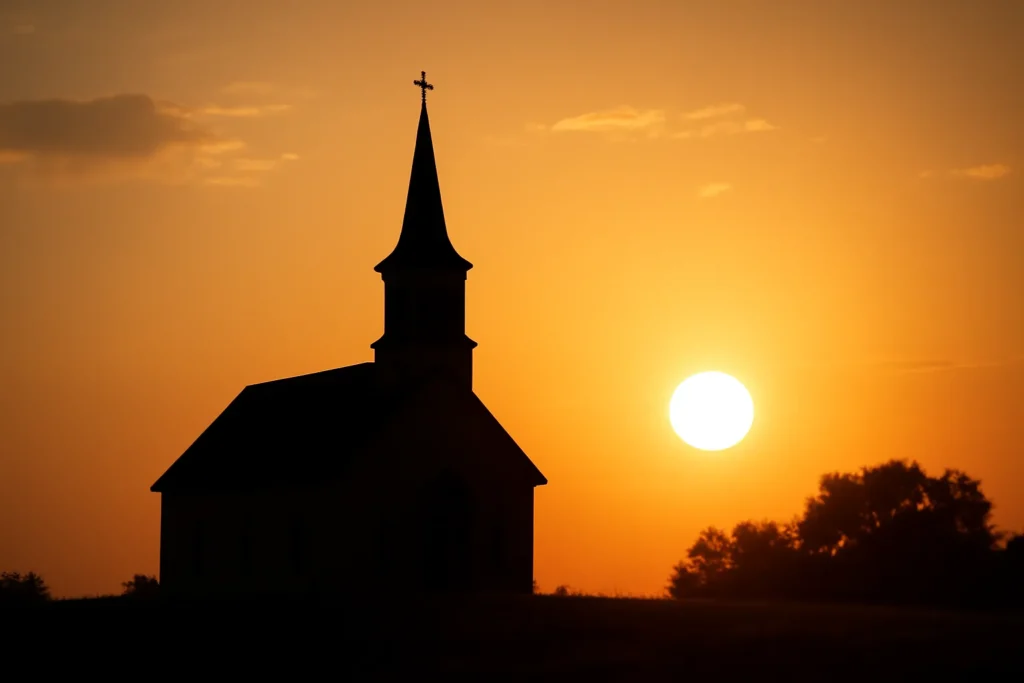
In many faith traditions, sunlight is more than illumination. It is a living participant in ritual, architecture, and community life. The phrase church sun captures a recurring truth: the way light enters a worship space shapes how a gathering experiences awe, contemplation, and connection. Sunlight can illuminate a choir, highlight a stained-glass narrative, bless a nave with warmth, and guide the rhythm of a service throughout the day. This article explores how sunlight in churches—whether through direct beams, softly diffused daylight, or color-tinted glass—enhances the atmosphere, supports liturgy, and invites congregants to engage more fully with the sacred.
Throughout history, designers and congregations have used the sun as a collaborator. The sun-drenched sanctuary is a visible expression of faith in some traditions; in others, it is a practical, sustainable tool that reduces energy use while uplifting mood. The science of light meets the theology of light: daylight not only colors the walls but also touches minds and bodies, aligning environment with worship’s deeper aims. This piece surveys the role of the church sun from historical roots to contemporary practice, and offers guidance for architects, pastors, lay leaders, and facilities teams seeking to maximize the spiritual and practical benefits of daylight.
Historical Context: Light as Symbol and Structure
Across epochs, natural light has carried symbolic weight in sacred spaces. In many medieval cathedrals and early churches, windows and clerestories were more than ornament; they were theological statements. Light was a medium through which the divine could be encountered—piercing darkness, sanctifying space, and guiding the faithful toward revelation. The term divine light often echoed in sermons, hymns, and visual programs of churches that prioritized skylights, high windows, and delicate tracery.
Light as Metaphor in Liturgical Life
The metaphor of light appears in scripture, creed, and hymnody across traditions. For many thinkers, to behold a sunlit sanctuary is to witness a microcosm of creation’s first dawn: order emerging from chaos, beauty arising from form, and ordinary space transformed into sacred place. In the architectural record, luminous spaces often signify clarity of truth, access to divine presence, and the communal sending forth into service. Thus, the church sun is not a mere practical feature; it is a language—one that speaks of grace, revelation, and the healing of time.
Sunlight’s Psychological and Spiritual Effects
The impact of daylight in worship spaces extends beyond aesthetics. Empirical research in environmental psychology and studies of circadian biology demonstrate that natural light influences mood, alertness, and comfort. In a sacred context, these effects can deepen receptivity, foster attention, and prime congregants for reverence and communal encounter.
Emotional Resonance and Focus
A bright, well-illuminated space can heighten a sense of communal presence and shared purpose. Conversely, spaces that invite controlled shade can create contemplative pockets for whispered prayer or silent reflection. The sunlit-worship dynamic supports both movement (processions, readings, choir entrances) and stillness (quiet meditation, adoration, intercessions). For many communities, sunlight helps people orient themselves in time—morning liturgies feel different from evening services, even with the same ritual structure.
Symbolic and Theological Connotations
Light has long served as a symbol of divine benevolence, truth, and purity. In many traditions, sunrise symbolism aligns with creation narratives, while midday brightness aligns with proclamation and revelation, and evening glow with recollection and anticipation. Where transparent walls or glassworks admit changing color and intensity, the congregation experiences a living prayer—one that shifts with the sun’s arc and the seasons.
Architectural Principles: How Sunlight Enters and Transforms Space
The impact of the church sun depends on intentional design. Architects and facilities teams consider the sun’s path, the climate, and the congregation’s rituals to craft spaces where daylight supports worship rather than causing distraction or discomfort. Below are core principles used to harness daylight in worship spaces.
Orientation and Spatial Layout
The orientation of a church with respect to the cardinal directions and the sun’s daily path affects how and when light enters the nave, chancel, and ancillary spaces. In many traditional churches, east-facing sanctuaries align with sunrise, framing morning liturgy as a natural rite of renewal. Contemporary designs may prioritize flexible daylighting that adapts to service times and seasonal celebrations. Consider these practices:
Fenestration planning: placing windows to illuminate the altar or focal points at critical moments of the service.
Clerestory strategy: high windows that admit light without glare, often combined with light shelves or diffusing textiles.
Shading devices: louvers, screens, or movable shades to modulate intensity across the day.
Window Design: Glass, Opacity, and Narrative
The type of glass and the way it is arranged dramatically affect color, texture, and the character of daylight inside. Options include:
Stained glass for color-rich, symbolic storytelling that changes with the sun; ideal for biblical scenes, saints, or parables.
Clear glass with carefully selected frame geometry to maximize brightness while minimizing glare.
Colored or etched glass that filters light to create a mood while supporting readability of interior features.
Prismatic or louvers devices that break direct rays into a spectrum of soft light across the space.
Materials and Surface Treatment
Surfaces that reflect or absorb daylight shape perception. Matte plaster, pale stone, and light-colored timber reflect more glow, while dark finishes absorb and create pockets of shade. Reflective surfaces, such as polished marble or white concrete, can bounce daylight toward seating areas, increasing perceived brightness without increasing glare.
Color temperature: lighter walls tend to enhance the sense of airiness; warmer tones create intimacy and coziness.
Texture: smooth surfaces reflect more light, while textured finishes scatter light for even distribution.
Flooring: light-colored floors can help uplift the level of ambient daylight throughout the nave.
Light Management: Glare Control and Comfort
Daylight must be balanced with comfort. Direct sun can cause glare on screens, pews, or lecterns, interrupting reading and singing. Good daylight design anticipates glare and heat gain, pairing daylight with shading and insulation strategies.
Glare-reducing treatments: diffusing panels, diffuse glazing, and programmable shades.
Thermal comfort: sun control coupled with insulation to prevent overheating in summer and heat loss in winter.
Acoustic considerations: large glass surfaces can affect acoustics; design should preserve sound quality for spoken word and music.
Case Studies: Variations in Practice Across Traditions and Scales
The sunlit church appears differently depending on architectural lineage, regional climate, and liturgical needs. Here are representative patterns, not exhaustive prescriptions, that illustrate how daylight can be integrated in diverse contexts.
Gothic and Romanesque Traditions
In many older houses of worship, tall clerestory windows and lancet openings invite abundant daylight into long naves. This sun-drenched Gothic interior creates vertical emphasis and a sense of ascent, guiding the eye upward toward arches that frame the daylight as it travels through colored glass. In these spaces, the sun’s angle shifts throughout the day, producing ever-changing patterns on stone and pews.
Modern and Contemporary Churches
Contemporary designs often employ daylight as a primary energy strategy, paired with controlled shading and adaptive lighting systems. A modern church might incorporate:
Large, operable skylights that bring in daylight without overpowering the sanctuary.
Non-traditional windows that balance color, heat gain, and acoustic needs.
Daylight-responsive lighting that dims artificial light when natural light is sufficient.
Regional and Denominational Variations
The way daylight is used can reflect regional climate and doctrinal emphasis. In sunnier climates, daylighting might be optimized to reduce artificial cooling while preserving spiritual ambiance. In cooler, cloudier regions, sunlight becomes a precious ally for warmth and morale during long winters. For some denominations, altar-focused daylight is essential for sacraments or rites, while in others, gentle ambient light is valued for contemplative prayer.
Practical Guidelines for Churches Today
If you’re involved in planning, renovating, or operating a church, these practical guidelines can help you harness the church sun responsibly and beautifully.
Conduct an annual daylight audit to map how sun exposure changes through the day and across seasons.
Identify key liturgical moments where light can underscore meaning (e.g., sunrise prayers, processions, eucharistic passages).
Engage stakeholders—pastoral leadership, parishioners, musicians, educators—in decisions about daylight priorities.
Design and Retrofit Strategies
Selective glazing: use a mix of clear, tinted, and diffusing glass to balance brightness and color fidelity.
Shading systems: install operable shades, external louvers, or adjustable screens to modulate intensity at different times of day.
Reflection management: place light-colored surfaces opposite windows to distribute daylight evenly; avoid glossy finishes that cause glare on screens or organ pipes.
Color and material choices: opt for warmer tone woods, natural stone, and soft textiles to create a welcoming glow without overpowering rituals.
Lighting and Liturgy
Integrate daylight with liturgical planning. For example:
Procession timing: align entrance lighting with the start of the service to make the congregation feel welcomed into the space.
Psalms and prayers: emphasize moments of reverence with softer, diffuse daylight that supports stillness.
Music and acoustics: coordinate daylight shifts with ensemble dynamics to maintain clarity and emotional resonance.
Maintenance and Accessibility
Daylight systems require ongoing care. Regular cleaning, seal checks, and window maintenance preserve brightness and energy performance. Accessibility considerations include:
Glare-aware seating: arrange seating to minimize direct glare on reading pews or screens for worshippers with sensitivities.
Seasonal signage: provide guidance for adjusting shades to accommodate changing service times, ceremonies, or events.
Sunlight and Liturgy: How Lighting Shapes Worship Practices
The interaction between light and liturgy is not incidental. Sunlight can be integrated into worship not only as a backdrop but as a dynamic participant in the service’s arc.
Liturgy of Light and Shadows
In some traditions, light is framed as a central symbol during specific rites. For example:
Epiphanies and feasts: bright daylight aligns with celebrations of revelation and divine presence.
Quiet hours: dimmer, warmer light supports contemplative prayer and adoration.
Seasonal ceremonies: the sun’s path can highlight changes in liturgical seasons, from Advent to Lent to Easter, reinforcing narrative progression.
Musical and Visual Synchrony
Lighting interacts with sound and movement. Musicians can time cues with daylight shifts, while visual art, icons, and stained-glass narratives gain or lose intensity as the sun moves. When daylight and liturgy harmonize, the space can feel synchronistic—inviting participants to move with the service rather than against it.
The sunlight strategy of a church is deeply connected to stewardship of resources. Using daylight effectively reduces artificial lighting demand, lowers energy costs, and demonstrates a commitment to environmental responsibility without compromising spiritual reception.
Energy Savings and Comfort
When daylight replaces a portion of artificial lighting, churches can realize:
Reduced electricity usage during daylight hours.
Lower heat gain in summer when shading devices prevent direct sun from overheating interiors.
Improved thermal comfort through balanced daylight and insulation strategies.
Material and Maintenance Considerations for Longevity
Materials exposed to sun change over time. UV exposure can affect textiles, paints, and some polymers. Thoughtful design can mitigate these effects:
UV-stable finishes for textiles and paints.
Durable glazing with UV filtering properties to protect interior finishes.
Regular inspections of window seals and frames to prevent heat loss and moisture intrusion.
Variations by Context: Cultural and Regional Dimensions
The role of the sun in worship spaces varies across cultures and geographies, yet the guiding principles remain consistent: daylight should enhance, not overwhelm; illuminate, not blind; shelter, not isolate. In tropical climates, large shaded courtyards and internal shading screens may reduce glare while inviting natural ventilation. In northern latitudes, generous clerestory light can compensate for shorter days, supporting mood and morale during long winters. In urban settings, daylight openings can connect the church interior with the surrounding street life, offering a visual invitation to pause, reflect, and participate.
Interdisciplinary Considerations: Collaboration for Better Light
Realizing the benefits of the church sun often requires collaboration across disciplines. Architects, theologians, acousticians, lighting designers, and pastoral leaders work together to craft spaces where light serves both aesthetics and service.
Roles and Responsibilities
Architects and designers: develop daylighting strategies that fit the site, climate, and liturgical program.
Facilities managers: maintain glazing systems, shading devices, and daylight-responsive controls.
Pastoral staff: plan liturgical sequences that integrate daylight with worship life.
Music and arts teams: collaborate on how light interacts with performance and visual arts.
Glossary: Key Terms Related to Sunlight in Churches
The following terms are commonly used when discussing daylight in worship spaces:
Daylighting: the design practice of using natural light as a primary or supplementary light source.
Clerestory: upper window walls that admit light into the interior from above eye level.
Clerestory glazing: the glass elements in clerestories that control brightness and color.
Shading devices: elements such as louvers, shades, or screens that regulate sunlight.
Color temperature: a measure of how warm or cool the light appears (measured in Kelvin).
Glare: visual discomfort caused by excessive brightness or high-contrast lighting.
Conclusion: Embracing the Sacred Dialogue with Light
The sun in church architecture is a partner in worship, not a backdrop. Its presence can elevate the experience of the gathered community, guiding attention, supporting liturgy, and shaping memory. By thoughtfully designing, adapting, and maintaining daylight in worship spaces, congregations can create environments that feel both rooted in tradition and alive with modern stewardship. The sunny sanctuary may vary from place to place, but its core promise remains the same: daylight, when honored, can deepen reverence, illuminate meaning, and accompany faithful steps along the path of worship.














Leave a Reply