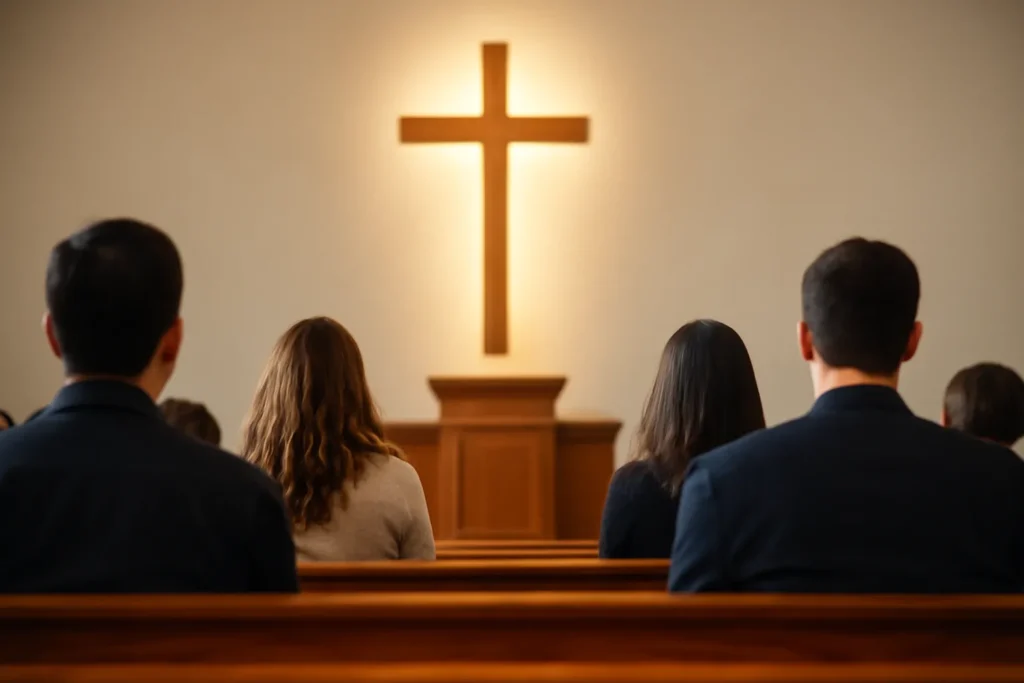
In many congregations, the background for church services is more than a backdrop or a decorative element. It is a deliberate component of worship space design that helps frame the liturgy, reinforce messages, and guide the congregation’s attention. A well-chosen backdrop for worship or event can unify the aesthetics of a service, support the themes of preaching and scripture, and create an environment that feels both sacred and welcoming. This article explores the spectrum of church service backdrops, from fabric drapes and painted canvases to projection walls and architectural accents, with practical guidance for planning, selecting, and maintaining these elements across different spaces and occasions.
Understanding the Purpose of Backdrops in Worship
Backdrops in a worship setting serve several interrelated aims:
Focus and clarity — directing attention to the stage, altar, pulpit, or baptismal area.
Liturgical resonance — aligning with the church calendar, sermon series, and sacramental rites.
Atmosphere and reverence — shaping mood through color, texture, and light.
Brand consistency — reflecting the church’s identity, values, and theology.
Accessibility and inclusion — ensuring that backgrounds do not create visual barriers or sensory overload.
Across denominations, the backgrounds for worship environments range from simple and understated to richly detailed and technologically sophisticated. The key is to match the backdrop with the space, the service’s goals, and the expectations of the congregation. A thoughtful backdrop communicates care for the gathering and supports the message being proclaimed.
Types of Backdrops for Worship Spaces
Fabric Backdrops
Fabric backdrops are among the most versatile and portable options. They can be solid color, gradient, or printed with imagery. Common materials include velour, satin, linen, and high-quality canvas. Fabric can be woven with subtle textures or printed with logos, scripture verses, or season-specific artwork.
Solid-color fabric provides a clean, non-distracting field that makes foreground elements stand out.
Printed fabric carries imagery such as landscapes, symbolic motifs, or abstract patterns that reinforce a theme.
Layered fabrics create depth and movement when light passes through or around them.
Canvas and Painted Murals
Painted backdrops and large-scale canvases offer a more durable, reusable, and sometimes immersive experience. Murals can be highly detailed or abstract and are often created by local artists or church volunteers.
Hand-painted murals emphasize craft and personal connection to the space.
Printed canvas allows for photorealistic imagery or symbolic scenes.
Three-panel or multi-panel setups enable quick changes between services or seasons.
Projection and LED Backdrops
Modern worship spaces increasingly use technology to create dynamic backdrops. Large projection surfaces or LED walls can display moving imagery, scripture, live feeds, or seasonal graphics. These backdrops are powerful for storytelling and can adapt instantly to different sermons or events.
Dynamic visuals enhance praise moments and sermon illustrations.
Real-time content such as sermon notes or liturgical cues can be projected for accessibility.
Careful content management is essential to avoid distraction or glare for congregants.
Natural and Architectural Backdrops
Some churches leverage natural light, architectural features, and built-in textures as part of the backdrop. Stone, wood, arches, and stained glass can serve as a powerful visual context for worship without additional coverings.
Architectural frames highlight reverence and tradition.
Stained glass accents create color pools that shift with the sun and season.
Minimal temporary elements allow the space’s intrinsic beauty to carry the mood.
The church calendar invites recurring backdrop themes tied to Advent, Christmas, Lent, Easter, Pentecost, and ordinary time. Seasonal backdrops help the congregation anticipate the rhythm of worship and reflect the season’s theological emphasis.
Seasonal color schemes (e.g., purple for Lent, white for Easter, red for Pentecost).
Symbolic imagery such as crosses, doves, flames, or lambs that align with the liturgy.
Programmable backdrops that can shift with a service or sermon series.
Special Event Backdrops
For conferences, weddings, ordinations, or outreach events, backdrops can be tailored to the occasion. They may combine branding, scripture, and event-specific art.
Event branding integrated with worship visuals for consistency.
Backdrop modularity allows quick reconfiguration for different events.
Outdoor or multi-space installations connected to a church campus event.
Color, Light, and Texture: The Language of Backdrops
Color Theory in Worship Backdrops
Color influences mood and perception. In worship spaces, color choices can reinforce theology, theology by mood, and legibility of text or imagery.
Warm tones (gold, amber, burgundy) evoke comfort and reverence, suitable for sacral moments like communion.
Cool tones (blue, teal, grey) promote calm focus and contemplation, often used in teaching moments or prayer times.
High-contrast combinations improve readability for projected text and emphasize focal points.
Seasonal color shifts help the congregation recognize time progression within the church calendar.
Texture and Material Choices
Texture adds tactile and visual depth, even for those seated far from the stage. A rich texture can suggest tradition and permanence, while sleek textures may signal contemporary worship.
Velour and heavy fabrics absorb light, reduce glare, and create a plush, intimate feel.
Matte paint and non-reflective surfaces for painted backdrops to prevent distracting glare on screens.
Glossy or satin surfaces can pop color and add energy for festive services, with care to avoid over-reflection.
Lighting as a Companion to Backdrops
Lighting design works in concert with the backdrop to shape perception. Lighting can wash the backdrop in color, create silhouettes, or reveal texture at specific moments in a service.
Backwash lighting softens the edges of a backdrop and keeps performers visible.
Gobos and projection lighting add subtle patterns that complement imagery without competing with text.
Color cues synced to the liturgical calendar reinforce meaning and memory.
Design Principles for Backdrops
Hierarchy and Focal Points
A successful backdrop design establishes a clear visual hierarchy: first, the altar or pulpit as the main focal point; second, secondary elements like lecterns or baptismal fonts; and third, decorative but subordinate features.
Emphasize the primary focal point with contrast, light, and scale.
Minimize competing distractions near the focal area.
Maintain consistency across service elements to avoid visual chaos.
Proportion and Scale with the Sanctuary
The backdrop must be proportionate to the space. A backdrop that overwhelms a small chapel or is visually insignificant in a large sanctuary undermines its purpose.
Measure sightlines from the farthest seating areas to ensure readability and impact.
Consider stage height and the distance between the backdrop and the congregation.
Balance foreground and background so that speakers and worship leaders remain visually prominent.
Accessibility and Inclusivity
Backdrops should support accessibility, including readability of projected text and visibility from various seating angles.
High-contrast contrast between text and background for projections.
Color vision considerations to avoid problematic color combinations for color-blind viewers.
Alternate formats such as large-print or tactile cues for certain liturgical moments when appropriate.
Acoustics Considerations
Backdrops also influence acoustics. Heavy fabrics can dampen sound, while hard surfaces may reflect it. A well-coordinated design accounts for both visual and auditory comfort.
Balance between absorption and reflection to maintain intelligibility of spoken word.
Integrated sound-visual planning in production meetings and rehearsals.
Planning and Production Process
Needs Assessment and Goal Setting
Before selecting a backdrop, teams should clarify goals: What message should the backdrop communicate? What is the service’s tone: reverent, celebratory, contemplative, or outreach-focused?
Define service archetypes (weekly worship, special service, wedding, youth event).
Identify required elements (projector, screens, live feed, banners, altar cloths).
Align with budget and resource availability.
Budgeting and Resource Allocation
A realistic budget helps determine material choices, fabrication time, and crew needs. Consider lifecycle costs: purchase, rental, maintenance, and storage.
Material costs for fabric, paint, vinyl, or LED walls.
Labor for design, fabrication, installation, and teardown.
Maintenance including cleaning, repair, and replacement schedules.
Vendor and Volunteer Roles
Many churches rely on a mix of professional vendors and trained volunteers. Define roles clearly to maximize efficiency and safety.
Seasonal and Liturgical Themes: Practical Approaches
Advent and Christmas
During Advent and Christmas, backdrops often emphasize expectancy, light, and the Nativity narrative. Subtle twinkle lighting, celestial motifs, and warm color palettes can enhance the sense of wonder without overpowering the message.
Soft white or gold tones evoke warmth and holiness.
Star motifs and gentle gradients suggest divine guidance.
Advent wreath visibility with clear sightlines for the congregation.
Lent and Holy Week
Lent invites sobriety and reflection. Backdrops may shift toward purer forms, restrained color palettes, and symbolic imagery of repentance and preparation.
Purple tones paired with muted greens or grays.
Cross silhouettes integrated into the scene with thoughtful lighting.
Minimalism to reduce distraction during contemplative moments.
Easter and Pentecost
Easter and Pentecost backdrops celebrate new life and the Holy Spirit. Energetic color schemes, light textures, and uplifting imagery help communicate joy and transcendence.
White, gold, and bright accents for triumph and resurrection imagery.
Flame motifs or dove symbols that echo Pentecost symbolism.
Dynamic projections to convey movement and renewal.
Ordinary Time and Growth Themes
In the regular Sundays outside special seasons, backgrounds can focus on growth, community, and discipleship, using flexible designs that accommodate ongoing series.
Neutral bases with adaptable color accents.
Modular elements that can be added or removed for different sermon series.
Scripture-driven imagery that reinforces teaching across weeks.
Maintenance, Storage, and Longevity
Care and Cleaning
Regular care extends the life of any backdrop. Cleaning methods depend on material type; always follow manufacturer guidelines and test in a small area first.
Fabric backdrops may require gentle laundering, spot cleaning, or professional cleaning for delicate fabrics.
Painted canvases should be dusted and protected from direct moisture.
Projection surfaces must be kept free of oils and fingerprints that affect clarity.
Proper storage protects color, texture, and structural integrity. Consider weatherproof cases, padded racks, and climate-controlled storage for fragile pieces.
Rolls and folds should be documented to minimize fiber creasing or warping.
Labeling with season, project name, and care instructions helps frequent teams reuse assets effectively.
Transport planning includes loading plans, vehicle requirements, and on-site handling protocols.
Repair and Replacement Planning
Over time, backdrops may show wear or become dated. Establish a renewal plan that balances fidelity to tradition with fresh engagement.
Repair kits for quick fixes on-site.
Scheduled refresh cycles for color, imagery, or fabric replacement.
Documentation of changes to track design evolution and maintain consistency.
Case Studies and Practical Examples
Case Study A: A Small Town Chapel Using Fabric Backdrops
A small-town chapel with a modest stage used a pair of long, color-gradient fabric backdrops for weekly services. The design focused on warmth and clarity.
Trade-off between cost and impact: the gradient backdrop provided visual depth without distracting text projections.
Volunteer-driven fabrication kept costs low while building community involvement.
Seasonal swaps kept the visuals fresh, with a guaranteed simple process for volunteers to switch panels between seasons.
Case Study B: An Urban Megachurch with Projection and LED Backdrops
In an urban campus, the backdrop was largely digital. The LED wall displayed seasonal artwork, scripture, and sermon visuals, while fabric elements softened the space behind it.
Seamless integration between lighting, projection, and stage design created a cohesive look.
Content management systems enabled rapid updates for different campuses and worship teams.
Accessibility considerations included high-contrast text overlays on projection to aid readability.
Case Study C: A Historic Sanctuary Preserving Architectural Backdrop
A historic sanctuary opted to preserve its architectural backdrop and use minimal temporary elements to honor heritage, while introducing subtle seasonal accents to celebrate major feasts.
Respect for legacy ensured that any additions did not obscure architectural details.
Light and color accents were used sparingly to enhance, not overpower, the space.
Volunteer-led maintenance maintained the balance between tradition and contemporary usability.
Implementation Tips for Different Spaces
Small Chapels and Multipurpose Rooms
In smaller spaces, backdrops should be intimate and non-dominant. Simpler setups with strong focal points work best.
Single-skyline or gradient backdrop can provide depth without crowding the stage.
Flexible mounting options allow quick changes without bulky rigs.
Visible cues for leaders (script, notes) should remain readable from the front row.
Large Auditoriums and Campus Settings
Larger spaces offer opportunities for scale and immersive visuals. Balance is key to avoid overwhelming attendees in the back rows.
Floating or layered backdrops create depth and drama.
Projection and ambient lighting can synchronize with sermon arcs and worship songs.
Audience sightlines must be tested with rehearsals and, if possible, with a sample seating arrangement.
Outdoor Events and Special Locations
Outdoor settings call for weather-resistant materials and adaptable designs. Backdrops should withstand wind, moisture, and temperature changes.
Durable fabrics and fasteners suited for outdoor use.
Seamless color palettes that remain legible under sunlight.
Portable staging integrated with the backdrop for quick setup and takedown.
Practical Do’s and Don’ts
Do’s
Align with liturgical season and sermon series for consistency.
Test visuals during rehearsals to ensure readability and impact.
Plan for accessibility with high-contrast text and clear visibility from all seats.
Coordinate with AV and lighting teams to avoid clashes or glare.
Document processes so future teams can reuse designs efficiently.
Don’ts
Avoid overloading the backdrop with busy imagery or text that competes with the message.
Don’t ignore safety and fire codes when selecting materials and mounting methods.
Don’t neglect maintenance leading to wear that undermines visual impact.
Don’t rely solely on technology — consider how a non-digital backdrop will function during power outages or tech failures.
Conclusion: The Impact of Backgrounds on Worship Experience
The background to a church service is a silent partner to worship. When chosen thoughtfully, it communicates care for the community, reinforces the themes of the sermon, and enhances the sense of sacred space. The most effective backdrops balance aesthetics with function: they are visually engaging without distracting, adaptable without losing identity, and durable enough to withstand ongoing use. Whether a simple cloth panel, a mural painted by a local artist, a projection-driven scene, or a majestic architectural frame, the backdrop for worship is an instrument in service—helping people encounter meaning, participate in liturgy, and leave with a sense of being part of something larger than themselves.











Leave a Reply