Covenant Eyes How It Works: A Step-by-Step Guide to Its Accountability Software
In a world where digital life is intertwined with daily routines, Covenant Eyes offers a structured approach to accountability. This article explains how Covenant Eyes works, what the software does, and how to use it effectively. Whether you are exploring covenant eyes how it works for personal growth, parental oversight, or workplace wellness, this guide provides a comprehensive, step-by-step look at the system and its features.
What Covenant Eyes Is and Why It Matters
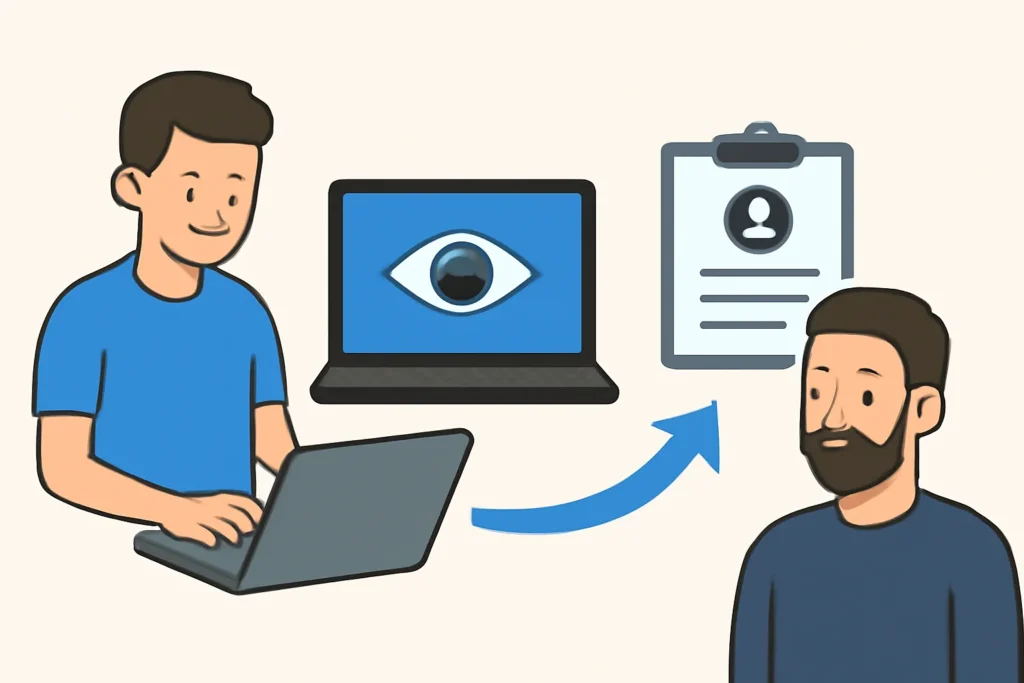
Covenant Eyes is a combination of monitoring, accountability, and, in many configurations, content filtering designed to help users make healthier decisions online. The core idea behind the Covenant Eyes approach is to pair what you do online with an accountability partner who can view your activity and provide supportive feedback. This model is grounded in the belief that transparency and supportive accountability can reduce risky online behavior and promote more intentional use of digital tools.
At its heart, the system focuses on two pillars: accountability reporting and optional content blocking. The reports are delivered to someone you choose—often a friend, mentor, or family member—so they can review your activity and help you stay on track. The blocking and filtering capabilities can help reduce exposure to undesired content, particularly when the goal is to build healthier habits or protect vulnerable users such as children.
Core Components of Covenant Eyes
Accountability partner network: The person or people who receive reports and can offer guidance.
Activity tracking: Detailed logs of web history, search activity, and app usage, depending on device capabilities.
Content filtering (optional): A set of rules and blocks to reduce exposure to undesirable content.
Reports: Regular summaries sent to the accountability partner, and sometimes to the user, based on settings.
Screenshots (optional): A privacy-aware feature that can capture a representative image of the screen to accompany reports.
Device coverage: Availability on multiple platforms, including desktop and mobile devices, with variations by platform.
Family controls: Options for parents or guardians to manage and monitor child accounts within a family plan.
Privacy controls: Settings to adjust who sees what and how often, so users can feel safe while learning healthier habits.
Understanding the scope of Covenant Eyes is essential. It is not a single feature but a coordinated set of tools that work together to create accountability, reduce exposure to harmful content, and support behavior change. Throughout this article, you’ll encounter explanations of how the Covenant Eyes system operates, how to set it up, and best practices for meaningful engagement with accountability partners.
How Covenant Eyes Works: A Step-by-Step Guide
Choose a plan and prepare devices: Start by selecting a subscription plan that fits your needs (personal, family, or enterprise). Prepare the devices you want to monitor, noting that most platforms support Windows, macOS, iOS, and Android, with some differences in feature availability across platforms.
Create your Covenant Eyes account: Sign up, create a user profile, and set your preferred privacy and reporting options. Your account will be linked to one or more accountability partners who will receive reports.
Install the Covenant Eyes software on each device: Follow platform-specific installation steps. On desktop devices, you’ll typically download an installer; on mobile devices, you may be guided through an app installation. This step establishes the software in the device’s background runner that can monitor activity (subject to platform policies and user consent).
Set accountability partners: Add one or more trusted individuals who will receive activity reports. It’s important to choose people who are supportive, prepared to provide accountability, and committed to the process. You can customize the level of detail and frequency of reports for each partner.
Configure filters and blocks: If you opt into filtering, set up categories to block or warn about—such as explicit content, certain apps, or risky search terms. You can tailor these rules to your goals, whether it’s reducing porn exposure, limiting gaming during work hours, or restricting social media usage in study time.
Choose reporting preferences: Decide how often you want reports delivered, what they should contain (urls visited, time spent, search terms, app usage), and whether the user should see their own activity summaries. Regular reporting helps accountability partners stay informed and engaged without overwhelming them.
Enable optional screenshots (if you choose): If you enable the screenshot feature, Covenant Eyes will capture periodic images to accompany activity reports. Frequency and visibility of these screenshots are configurable to align with privacy preferences and trust levels between the user and the accountability partner.
Review initial data: After setup, review the first batch of reports to ensure accuracy and to calibrate expectations. This early review helps you and your accountability partner understand what constitutes productive and unproductive use of time online.
Maintain open communication: Establish a routine for discussing the reports. The goal is not to shame but to support growth, adjust strategies, and celebrate progress. Consider setting a weekly check-in to discuss challenges and wins.
Adjust as needed: Based on feedback and observed patterns, refine filters, change reporting frequency, or modify accountability partner assignments. Flexibility is essential for long-term success.
Export and review data: If you are using Covenant Eyes in a professional or research context, you may want to export data for review, coaching, or policy development. Be mindful of privacy concerns and consent when sharing data with others.
Variations of covenant eyes how it works appear in different use cases. For example, the way the Covenant Eyes platform operates for family safety may involve family management dashboards, parental controls, and multiple user profiles, whereas how Covenant Eyes works in a corporate context might emphasize anonymized aggregated data, policy enforcement, and role-based access. The essential mechanism—accountability paired with visibility—remains consistent across configurations.
In-Depth Look: Installation and Setup by Device Type
To illustrate the step-by-step process more concretely, here are device-specific nuances you may encounter during setup.
Desktop (Windows/macOS) setup often involves downloading a desktop client, granting permissions for background monitoring, and configuring browser behavior and network gating. You can choose the extent of monitoring, including whether to capture screenshots, and you’ll receive desktop activity reports on a regular cadence.
Mobile (iOS/Android) setup may require additional permissions related to app usage and web activity. On iOS, Apple’s sandboxing can influence which data is visible to Covenant Eyes; on Android, more granular app usage monitoring is typically available. In both cases, you will be guided through consent prompts and privacy controls during installation.
Family devices with a unified dashboard allow guardians to manage multiple accounts, set global policies, and track the status of each family member. Family plans often include coaching resources and tips for healthy digital habits.
Using Covenant Eyes in Everyday Life
Once Covenant Eyes is installed and configured, the real work begins: making accountability a constructive habit. The system’s daily routine—paired with compassion and consistent communication—helps users make deliberate online choices. Here are practical ways to use the platform effectively.
Set achievable goals: Define clear, measurable goals for the week or month, such as reducing time on a particular site, avoiding certain keywords, or improving focus during study blocks.
Establish a regular reporting cadence: Consistency matters. A predictable rhythm—daily or weekly reports—helps accountability partners stay engaged and makes behavior change more achievable.
Use the prompts within reports: Many Covenant Eyes reports include trends, time-of-day patterns, and category breakdowns. Use these prompts to discuss triggers and plan interventions.
Integrate with other wellness tools: This program works well alongside time-management apps, meditation tools, or coaching resources. Cross-reference data to identify correlations between stress, screen time, and behavior.
Respect boundaries and privacy: Balance transparency with personal boundaries. Ensure accountability practices are supportive and respect individual comfort levels with data sharing.
Involve a trusted circle: In family or group contexts, involve a trusted circle of accountability partners to share the load and provide diverse perspectives on progress and challenges.
In terms of covenant eyes how it works in daily life, it’s important to emphasize that the system is a tool for growth, not a punitive mechanism. The best outcomes arise when accountability partners respond with encouragement, practical strategies, and timely support rather than judgment. Regular conversation about what is working and what is not can help you tailor the experience to your personal or family goals.
Privacy, Security, and Ethics
Privacy and ethical considerations are central to the Covenant Eyes model. The software is designed to protect user data while enabling meaningful accountability. Here are some key points to understand about privacy, security, and consent in the Covenant Eyes ecosystem.
Consent and awareness: All monitoring and reporting activities require user consent during installation. You should be aware of what is being tracked and what is not, depending on platform limitations and chosen settings.
Data ownership: The user typically retains control over their own data, and accountability partners access the portions of data they are authorized to view. Policies vary by plan and jurisdiction, so it’s important to review terms of service and privacy policies.
Data minimization: Covenant Eyes aims to collect only what is necessary for accountability. If you are concerned about overly granular data, you can adjust reporting frequency and the inclusion of sensitive details.
Screenshots and visibility: The optional screenshots are a sensitive feature. They can enhance accountability but may feel intrusive. Users should discuss and agree upon the use of such visuals with their accountability partners.
Security measures: Data is transmitted and stored with standard security practices. For sensitive users, it can be critical to enable strong passwords, two-factor authentication, and subset sharing where appropriate.
Best Practices for Effective Use
To maximize the benefits of Covenant Eyes and keep the experience constructive, consider these best practices. They reflect common patterns observed in successful accountability programs and can help you design a system that truly supports healthier online habits.
Choose empathetic accountability partners: Partners should be trusted individuals who respond with support, not judgment. The goal is to create a safe space where challenges can be discussed openly.
Be explicit about expectations: Agree on what you expect to receive in reports, how often, and how you will respond to feedback. Clear expectations reduce miscommunication.
Pair monitoring with skill-building: Use the data to identify triggers and develop coping strategies, such as scheduled break times, substitution activities, or focus techniques.
Limit data sharing as needed: If privacy concerns arise, adjust which data is visible to partners or reduce the granularity of reports while preserving accountability.
Use progressive disclosures: Start with less intrusive settings (e.g., no screenshots) and gradually introduce more visibility as trust and comfort grow.
Review and adjust regularly: Schedule periodic check-ins to assess what’s working, what isn’t, and how policies should evolve with changing needs or goals.
What Covenant Eyes Works Best For: Use Cases
The design of Covenant Eyes makes it adaptable to multiple contexts. Here are some common use cases to illustrate how the system can be employed effectively.
Individual self-improvement: People who want to gain more control over their internet usage can use Covenant Eyes as a personal accountability mechanism, pairing self-reflection with external feedback.
Family safety: Parents can monitor and guide their children’s online behavior within a safe and collaborative framework, applying age-appropriate filters and activity reviews.
Educational and mentoring contexts: In certain programs, instructors or mentors can supervise students or mentees as they develop healthier digital hygiene habits.
Workplace wellness: Some teams use accountability features to support digital well-being, while preserving appropriate privacy for business contexts and compliance needs.
Limitations and Considerations
No tool is perfect, and understanding the limitations of Covenant Eyes helps set realistic expectations. Here are some important considerations to bear in mind as you decide whether this solution fits your needs.
Platform-dependent behavior: The extent of monitoring and filtering can vary by operating system and device type. Some platforms may offer more comprehensive data than others.
Privacy trade-offs: The combination of monitoring and optional screenshots means a higher level of visibility into a user’s activity. Partners and users should weigh the benefits against privacy preferences.
Not a substitute for professional help: For individuals grappling with compulsive behaviors or mental health concerns, Covenant Eyes should complement, not replace, professional guidance from therapists or counselors.
Cost and maintenance: Subscriptions require ongoing commitment and renewal. Users should factor in the long-term costs and the time needed to review and discuss reports.
Frequently Asked Questions
How does Covenant Eyes protect user privacy?
Privacy protections are built into the platform through consent-based monitoring, configurable reporting, and data controls. Users can limit what is shared with accountability partners, choose the level of detail in reports, and decide whether screenshots are displayed. The system emphasizes transparent policies and offers tools to adjust privacy settings while maintaining accountability.
Does Covenant Eyes automatically block content, or is it just monitoring?
Covenant Eyes can offer both monitoring and filtering, depending on the plan and configuration. The monitoring component tracks activity and provides accountability reports, while the filtering component enforces blocks, warnings, or restricted access to certain content, according to user preferences and policy settings.
How should I choose an accountability partner?
A good accountability partner is someone trustworthy, committed to the process, and prepared to provide constructive support. It helps if they understand the goals, are consistent in communication, and can maintain confidentiality. Some people choose a family member, close friend, mentor, or counselor as their accountability partner.
Can Covenant Eyes be used with multiple devices and accounts?
Yes. Covenant Eyes is designed to function across multiple devices and accounts. You can configure separate profiles for each user and connect each profile to one or more accountability partners. This flexibility makes it suitable for families and teams that require coordinated accountability across devices.
What if I disagree with a report or feel it’s inaccurate?
Discrepancies can occur due to timing, synchronization, or data interpretation. The recommended approach is to discuss concerns with the accountability partner, review the raw data if available, and adjust settings or thresholds to improve accuracy. Most providers offer support channels to resolve issues related to data presentation or functionality.
The Covenant Eyes approach is built around the belief that clear visibility, compassionate support, and structured rules can help people improve their digital habits. By combining accountability with optional filtering and a flexible reporting system, Covenant Eyes aims to create a practical framework for healthier internet use. The efficacy of this system often hinges on the quality of the relationships involved—the accountability partners, the clarity of goals, and the consistency of communication.
If you are evaluating how Covenant Eyes works for yourself or your family, consider starting with a clear plan: define goals, select appropriate devices, invite trusted accountability partners, and establish a routine for reviewing and responding to reports. Remember that the aim is growth, not perfection. With thoughtful setup, ongoing dialogue, and a willingness to adjust as needed, Covenant Eyes can be a powerful tool to foster responsible digital behavior and create a healthier online environment for you and your loved ones.
For readers seeking a practical roadmap, this article has outlined the essential steps, the critical features, and the best practices associated with the Covenant Eyes system. If you want to explore more, consult Covenant Eyes’ official resources, read user guides, or reach out to their support team for platform-specific advice. By approaching the Covenant Eyes way of operating with intention and care, you can turn accountability into a meaningful driver of positive change in your digital life.

















Leave a Reply