How to Cleanse Spirit: A Step-by-Step Guide to Purifying Your Energy
How to Cleanse Spirit: A Step-by-Step Guide to Purifying Your Energy
In a world filled with noise, routine, and constant stimulation, many people notice a sense that their inner energy feels cluttered or exhausted. A practiced approach to spirit cleansing can help restore balance, clarity, and vitality. This article presents a practical, step-by-step guide to cleanse spirit and cultivate a lighter, more coherent energy field. It blends timeless concepts of energy work with contemporary habits, offering a framework you can adapt to your personal beliefs and lifestyle. Whether you call it cleansing spirit, spirit purification, or energy cleansing, the goal remains the same: to release what no longer serves you and invite a healthier resonance into your life.
Before you begin, it helps to ground your practice in a clear understanding of what spirit cleansing or cleansing the aura aims to do. At its core, the practice is about managing the energy you carry, including mental patterns, emotional tensions, environmental impressions, and subtle energetic imprints from others. It is not about denying reality or erasing difficult experiences, but about releasing stagnation, restoring flow, and protecting your sacred space. The practice is often described in terms of:
Intention: The purpose you set shapes your experience and outcomes.
Boundaries: Learning to distinguish your energy from external influences helps maintain integrity.
Grounding: Reconnecting with the body and the earth stabilizes your nervous system.
Ritual: Repetition creates a predictable structure that supports healing and focus.
People who engage in energy purification often report a heightened sense of clarity, a lighter emotional tone, and a sense of renewed vitality. While the language and tools vary—smoke, sound, water, breath, or visualization—the aims are remarkably similar: to clear energy blocks, to align with personal values, and to nurse resilience in daily life.
Step 1: Set your intention and create a sacred space
The first step in any robust practice of spirit cleansing is to articulate a clear intention and to prepare a space where you feel safe and supported. Intention acts like a compass, guiding all subsequent steps and helping you know when you have achieved your goal.
Define your intention. Spend a few minutes reflecting on what you want to release and what you want to invite in. Examples include: release fatigue and worry; invite calm, focus, and compassionate energy; protect personal boundaries; restore creative flow.
Choose a time that minimizes interruptions. Dawn or dusk can feel especially receptive, but any quiet period works if you can create a sanctuary for yourself.
Prepare a sacred space. This can be as simple as a clean corner, a dedicated altar, or a spot on the floor with a cushion. Clear physical clutter, dim lighting or candles, and soft background sound if you wish.
Set a small ritual across the space. For example:
Light a harmless incense or a scented candle you enjoy.
Place a single object that represents safety or your intention (a stone, a photo, a feather).
Close your eyes for a moment and take three slow, deep breaths to center your attention inward.
State your intention aloud or write it in a journal. When you vocalize your purpose, you help your nervous system align with your goal, making the practice more effective.
You are setting the stage for cleansing the spirit by creating a container that is safe, predictable, and meaningful to you. Consistency matters: regular practice reinforces the shifts you seek and gradually deepens your sense of control over your energy.
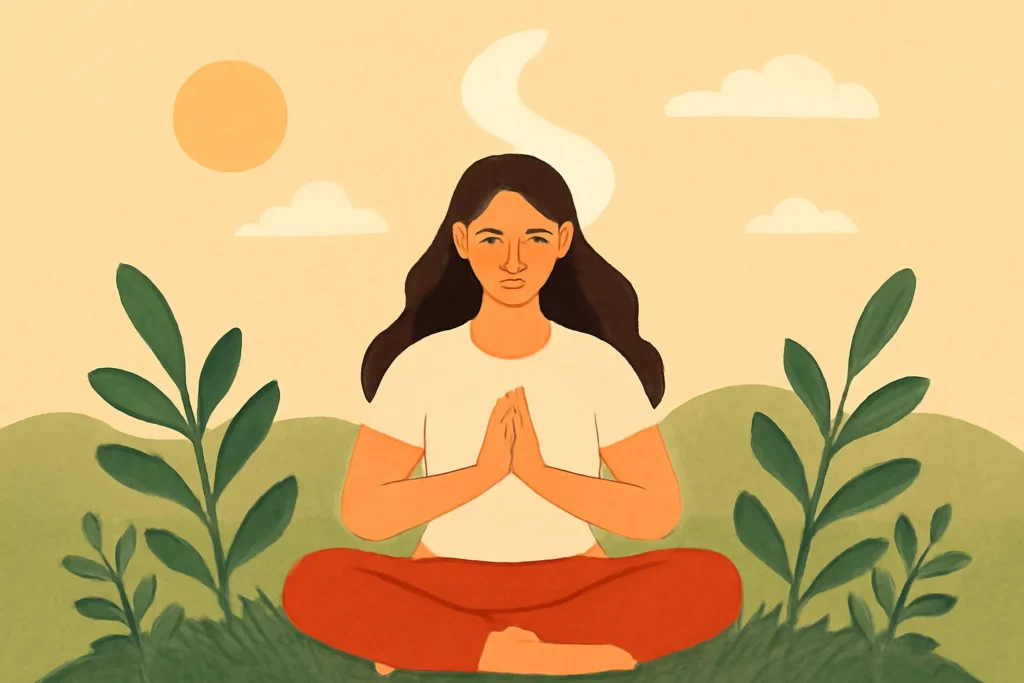
Grounding connects you to the earth and your body, providing stability as you work through energetic changes. Centering helps you keep your attention on the present moment, rather than getting swept up in stories or emotions.
Micro-ground: Sit comfortably with your feet flat on the ground. Feel your weight sinking into the floor and visualize roots growing from your feet or the base of your spine into the earth.
Breath awareness: Inhale slowly through the nose for a count of four, hold for a moment, and exhale gently for a count of six. Repeat 6–12 cycles, allowing the chest and belly to relax with each exhale.
Body scan: Slowly move awareness from the crown of the head down to the toes. Notice areas of tension, then invite release as you exhale. You can repeat this scan with a small affirming statement like, "I am presence, I am peace."
Aromatics or touchstone: If you enjoy scent, use a calming essential oil (lavender, chamomile) on a tissue or diffuser. A soft, comforting touch (a hand on the chest or belly) can reinforce the sense of being held by your own energy field.
With grounding and centering, you begin cleansing the spirit from a stable platform. A well-grounded practitioner experiences less reactivity and greater clarity when energies shift during cleansing rituals.
Step 3: Choosing and applying cleansing methods
There are multiple approaches to spirit cleansing, and you do not need to use all of them at once. The idea is to select the methods that resonate with you and align with your intention. Here are several effective options, with guidance on when and how to apply them.
Smudging and smoke-based cleansing
Smudging involves passing smoke around your body or space to carry away unwanted energy. Traditional sages, palo santo, dried herbs, or protective incense can be used. If you are sensitive to smoke, you can adapt by using an herbal bundle that creates less smoke or by using a heat-safe bowl with a few herbs lightly burned.
Preparation: Open a window slightly to give the smoke a path to exit; ensure you are in a well-ventilated area.
Direction: Move the smoke in a downward-then-upward motion around your body from the feet to the head, pausing briefly around the chest, throat, and solar plexus, where energy often concentrates.
Intention: As you move, affirm, “I release what no longer serves me; I invite clarity and peace.”
Safety: Keep flames or embers away from hair and clothing. Extinguish the smoke safely if you are near flammable materials.
Sound cleansing: bells, chimes, and voice
Sound has a powerful resonant quality that can recalibrate an energy field. You can use bells, singing bowls, tuning forks, or your own voice as a cleansing tool.
Single tone: Strike a bell or singing bowl to create a single, steady tone. Move slowly around your space or circle your body with the sound, letting it wash over you.
Vocal cleansing: Hum or chant a simple mantra or affirmation. Focus on the vibrations in the chest and head to loosen stagnant energy.
Duration: A few minutes of consistent tones or a short chant can reset a space; longer sessions may suit deeper cleansing efforts.
Water and earth-based cleansing
Water is symbolic for cleansing, renewal, and flow. Earth-based methods represent grounding and stability. If you prefer not to use water directly, you can visualize water washing through your energy field.
Water-based ritual: If you are near a sink, tub, or bowl, wash your hands slowly while imagining each wash releasing tension. You may sprinkle a little saltwater (dissolved salt in water) as a symbolic purification agent.
Grounding with earth: Hold a small stone, shell, or crystal in your hand, and imagine it absorbing energy you want to release.
Visualization: Picture a wave of clear water sweeping from head to toe, taking with it fatigue and negative energy.
Breathwork and visualization
Breath is a bridge between body and spirit. Simple breathwork combined with visualization can be profoundly cleansing.
Breath of light: Inhale and imagine inhaling white or golden light that fills your body. Exhale and visualize gray or murky energy leaving with your breath.
Box breathing: Inhale 4 counts, hold 4, exhale 4, hold 4. Repeat several cycles to reset autonomic balance and calm the nervous system.
Energetic sweep: As you breathe out, visualize energy moving from your head to your toes and out of your body through the feet, dissolving tension in its path.
Crystals, salt, and protective layers
For some people, crystals and salt provide tangible anchors for cleansing work. Use whichever you feel most drawn to, but remember that their effectiveness is often about belief, ritual, and focus as much as the material itself.
Crystals: Place stones associated with protection and clarity—such as clear quartz, black tourmaline, or selenite—in your space or hold them during cleansing.
Salt: A small bowl of salt can symbolize purification. You might lightly dust salt around the perimeter of your space and then sweep it away or dispose of it after the ritual.
Protection: Conclude with a protective intention, such as, “My energy is my own; I am safe within my space.”
These methods provide a toolkit you can tailor. The most important element is attending to your intention and using tools that feel authentic to you. The aim is to purify your energy in a way that resonates with your personal worldview, whether that involves nature-based rituals, spiritual practices, or secular mindfulness techniques.
Step 4: Cleanse your environment and daily spaces
A clean external environment supports internal cleanliness. Energetic imprints from others, crowded spaces, or negative environments can rebound into your energy field if not attended to. Below are practical ways to maintain environmental hygiene that complements your inner practice.
Declutter regularly. A tidy space reduces sensory overwhelm and helps energy move more freely.
Ventilate. Open windows to exchange stale air for fresh air and to clear lingering fragrances or energies.
Natural materials. Use plants, wood, stone, and fabrics that feel grounding and uplifting.
Nature routines. Step outside, take a few breaths, and let the natural rhythms of day and night remind you of your own cycles.
Digital boundaries. Limit constant streams of information that can sap attention and create energetic clutter.
Environment cleansing is not a separate event from your inner work; it is part of a broader practice of maintaining a harmonious energy ecology. When your surroundings are aligned with your intention, your ability to keep your energy clear improves significantly.
Step 5: Cultivate a daily practice for ongoing purification
Purifying energy is not a one-off ritual but a daily discipline. The goal is to build a habit that protects you from fatigue, negativity, and environmental overwhelm while supporting your growth and resilience.
Morning ritual: Begin with a short grounding exercise, a breath pattern, and a statement of intention for the day.
Midday reset: Take a brief pause to re-center. A two-minute breathing sequence or a quick visualization can reset your mood and energy.
Evening review: Reflect on the day’s energy. Note any interactions that felt draining and consider how you might prevent or mitigate similar impacts in the future.
Protective boundaries: Practice boundary setting with people who tend to drain your energy. This could include brief, polite boundary statements or limiting engagement with draining conversations.
Gratitude and nourishment: Close the day with gratitude for what supported your energy, and prioritize nourishment—physical sleep, hydration, and healthy foods—that reinforce a clean energy state.
Consistency matters more than intensity. A steady routine strengthens your energy hygiene, enabling you to maintain a clean spirit even in challenging circumstances.
Step 6: Move through residual energy and set clear boundaries
Even with regular cleansing, you may encounter residual energy from people, places, or memories. Learning how to transmute or release these energies without suppressing them is essential to long-term vitality.
Acknowledgment: Name the energy you sense without judgment. Is it fear, guilt, anger, or something else? Awareness reduces power of the emotion.
Release mechanism: Use your preferred method (breath, visualization, or a ritual) to dissolve the imprint. Picture it dissolving into light, water, or air and fading away.
Reapplication of boundary: After release, reaffirm your boundaries. Decide how you want to interact with the situation or person moving forward.
Re-centering: Return to your grounding state. A brief grounding exercise can help you restore a sense of safety and center.
Remember that spirit cleansing is as much about what you keep out as what you invite in. Healthy boundaries are a dynamic practice; you refine them as your life circumstances evolve. You can think of boundaries as a daily shield and a daily invitation to greater integrity in how you use your energy.
Step 7: Recognize common obstacles and how to overcome them
As you embark on a path of energy purification, you may encounter several common obstacles. Here are practical strategies to stay on course without getting discouraged.
Skepticism: It’s natural to doubt. Treat practices as experiments rather than absolutes. Track your experiences in a journal and note what works for you.
Fatigue: If you feel more tired after cleansing, it may signal that you are processing deeper layers. Slow down, rest, and reintroduce practices gradually.
Overwhelm: Too many methods at once can be destabilizing. Pick one or two reliable practices and add more gradually as you grow comfortable.
Environmental stress: If you cannot fully escape a stressful environment, strengthen your internal rituals and consider short, frequent resets rather than long sessions.
Consistency challenges: Set reminders, schedule dedicated times, and partner with a friend to maintain accountability and motivation.
When obstacles arise, return to the core components of cleansing the spirit: intention, grounding, and simple, repeatable actions. A steady, mindful approach turns challenges into opportunities for deeper energy hygiene.
Step 8: Integrating cleansing practices into daily life
To sustain a refined energy field, bring the principles of spirit cleansing into everyday routines. Here are ideas for integrating cleansing practices so they feel natural rather than added burdens.
Micro-practices: Short pauses for breathing, visualization, or a quick ritual can reset energy without requiring significant time.
Channeling energy: Learn to direct energy toward positive outcomes, such as focusing on creative projects, compassion, or service to others.
Mindful consumption: Be mindful of what you expose yourself to—media, conversations, or environments—that drain energy.
Community and support: Share practices with trusted friends or mentors who respect your boundaries and energy work.
By weaving these components into daily life, you create a reliable rhythm that keeps your energy field clear, connected, and resilient. The cleanse spirit practice becomes less about a single ceremony and more about a way of living with intention and attention.
Step 9: A brief guide to adapting the practice for different beliefs
This guide respects diverse worldviews. The term spirit cleansing may be expressed through many traditions, including mindfulness, secular energy psychology, meditation, religious rituals, or nature-based spirituality. Here are some adaptable approaches:
Mindfulness and meditation: Use breath, body awareness, and compassionate attention to clear mental and emotional clutter.
Energy psychology: Techniques like grounding, centering, and energy tapping can support energy flow and emotional regulation.
Nature-based rituals: View cleansing as a communion with natural cycles—sunrise, sunset, tides, or seasonal changes—to realign your energy.
Artistic and creative rituals: Channel energy through movement, drawing, music, or writing as a form of spirit cleansing.
Interactive boundaries: Practice assertive communication as a form of energetic protection in relationships and work settings.
The key is to honor what you believe and what helps you feel safe and clear. A flexible approach to cleansing energy allows you to maintain meaningful progress while adapting to changing circumstances.
Conclusion: Maintaining a clean and vibrant energy field
Learning how to cleanse spirit is not about chasing a permanent state of bliss. It is about cultivating a practical routine that helps you navigate daily life with more ease, compassion, and resilience. The steps outlined above—intention, grounding, varied cleansing methods, environmental care, daily practice, boundary work, and ongoing adaptation—form a comprehensive framework for spirit cleansing that you can personalize over time.
Remember these core ideas as you continue your journey:
Intention matters: Your daily purpose shapes every practice you undertake.
Consistency builds momentum: Small, regular acts accumulate into meaningful change.
Energy is dynamic: Boundaries and rituals should be revisited as life evolves.
Respect for your belief system: Adapt tools and language to suit your personal worldview.
Self-compassion: Treat yourself with kindness as you explore new practices and encounter resistance.
Whether you describe the process as cleansing the aura, spirit purification, or energy cleansing, the intention remains the same: to release what holds you back, invite what nourishes you, and maintain a clear, healthy flow of energy through your life. With patience, practice, and perseverance, you can cultivate a steady practice of cleansing the spirit that supports your well-being, growth, and sense of purpose.

















Leave a Reply