The Day of Atonement, known in Hebrew as Yom Kippur, is the biblical day set apart for repentance, forgiveness, and the removal of sin from the community of Israel.
It is described most fully in Leviticus 16 and is also commanded in Leviticus 23:26–32 and Numbers 29:7–11. In the biblical calendar, it falls on the tenth day of the seventh month, Tishri, which usually occurs in September or October on the Gregorian calendar.
The name points to the day’s central purpose: atonement. In the Bible, atonement involves dealing with sin so that people can remain in a right relationship with God and so that the sanctuary, the priests, and the nation can be ceremonially cleansed.
The Hebrew term Yom Kippur is commonly translated as Day of Atonement. The English word “atonement” is often understood as reconciliation or making peace, but the biblical ritual includes several connected ideas: covering sin, cleansing impurity, bearing away guilt, receiving forgiveness, and restoring fellowship.
Yom Kippur was not simply a day for private reflection. It addressed the condition of the whole people of Israel. The community’s sins and ritual uncleanness affected its worship and its relationship with God, so the appointed ceremony dealt with the nation as a body.
Central idea: The Day of Atonement is about restored relationship with God through humble repentance, sacrificial worship, cleansing, and forgiveness—not merely about feeling regret.
The day also taught that approaching a holy God was not casual. The Israelites could not treat sin as harmless or assume that worship continued normally without dealing with wrongdoing. At the same time, the ritual showed that God provided a specific way for cleansing and renewal.
When the Day of Atonement takes place
Yom Kippur occurs on the tenth day of Tishri, the seventh month of the biblical Hebrew calendar. Because the Hebrew calendar is lunar-solar rather than the same calendar used in the United States, the date changes from year to year on the Gregorian calendar.
The observance begins before sunset on the ninth day and continues until after nightfall on the tenth day in Jewish practice. This reflects the biblical pattern in which a day begins in the evening and continues through the following day.
The Bible calls the day a Sabbath of solemn rest. Leviticus 16 and 23 require the people to humble themselves and prohibit ordinary work. The command applied to the community as a whole, making the day different from an ordinary festival or personal fast.
Yom Kippur follows the beginning of the Jewish year, Rosh Hashanah, by ten days. These days are often associated with self-examination, repentance, and seeking reconciliation. The Day of Atonement serves as the solemn climax of that period.
What happened in the biblical Day of Atonement ceremony
The ritual described in Leviticus 16 was led by the high priest, not by the entire congregation acting independently. The high priest first had to prepare himself through washing and prescribed clothing. Unlike his usual ornate garments, he wore simple linen garments for this solemn service.
He also brought a bull as a sin offering for himself and his household. This detail matters because the high priest was not presented as morally beyond the need for atonement. Before serving on behalf of Israel, he dealt with his own sin and the sin of his family.
The high priest then took incense into the inner sanctuary. The cloud from the incense covered the mercy seat, the cover of the ark, so that he would not approach the divine presence presumptuously. The ritual communicated both access to God and the seriousness of that access.
Two male goats were selected for the people’s offering. Lots were cast over them: one goat was designated for the Lord and the other for Azazel, a term often translated as “scapegoat.” Interpretations of Azazel have differed, but the basic action is clear: one goat was sacrificed, while the other symbolically carried Israel’s sins away from the camp.
The goat assigned to the Lord was offered as a sin offering for the people. The high priest brought its blood into the inner sanctuary and applied it in the manner commanded by God. The ritual extended beyond individual acts of wrongdoing; it also dealt with the uncleanness and transgressions of the Israelites.
The second goat remained alive until the high priest placed his hands on it and confessed over it the sins and rebellious acts of the nation. The goat was then sent away into the wilderness by an appointed man. This image presented guilt as being removed from the community, not merely acknowledged in place.
After the ceremony, the high priest returned to the people, washed, changed his garments, and completed the remaining offerings. The Day of Atonement therefore included several movements: preparation, confession, sacrifice, cleansing, removal of guilt, and renewed worship.
Why the high priest entered the Most Holy Place
The tabernacle and later the temple were organized around increasing degrees of holiness. The Most Holy Place, also called the Holy of Holies, was the innermost chamber. It represented the distinctive presence of God among Israel.
Under the Mosaic law, the high priest entered this chamber on the Day of Atonement in a carefully regulated way. He did not enter whenever he wished, and the ritual was not treated as a private spiritual experience. It was an appointed act with specific clothing, sacrifices, incense, blood, and timing.
Leviticus 16 emphasizes that the high priest could not remain in the sanctuary while making atonement for the people. The ceremony therefore included boundaries around holiness. It made clear that God was near to Israel but not to be approached carelessly.
The inner sanctuary also needed cleansing because the sins and impurity of the people had affected the worshiping community. In the biblical system, atonement was not limited to making an individual feel forgiven. It restored the place and people connected with God’s dwelling.
“On this day shall atonement be made for you, to cleanse you.” — Leviticus 16:30, paraphrased
The verse’s emphasis is on both atonement and cleansing. Forgiveness in this setting is not an abstract declaration detached from life. It is connected with the removal of defilement and the restoration of the community’s relationship with God.
What the two goats symbolize
The two goats represented different aspects of the atonement ritual. The first goat was sacrificed, and its blood was used in the sanctuary rites. This sacrifice addressed sin and impurity before God.
The second goat was not sacrificed. Instead, the high priest confessed the people’s sins over it, and it was sent into the wilderness. This action represented the departure of guilt from Israel’s midst.
That distinction helps explain why the term “scapegoat” is associated with Yom Kippur. In ordinary English, a scapegoat is often an innocent person unfairly blamed. In Leviticus 16, however, the goat is part of a divinely commanded ritual and symbolically bears away the confessed sins of the people.
The text does not give a complete explanation of the name Azazel. Some readers understand it as referring to a wilderness place, while others connect it with a supernatural figure or a ritual concept. It is best to acknowledge that interpretive question rather than claim certainty where the biblical text leaves room for discussion.
The two goats together present a full picture of atonement: sin is dealt with before God, and sin is removed from the community. The ceremony joined these ideas rather than reducing atonement to only sacrifice or only moral improvement.
How the people were expected to observe the day
Although the high priest performed the central sanctuary ritual, the people also had direct responsibilities. They were commanded to humble themselves, stop ordinary work, and participate in the solemn day. The phrase is commonly understood to include fasting, although the specific command in Leviticus focuses on self-denial rather than using the modern English word “fast.”
In biblical context, humbling oneself could include going without food and drink, mourning, confessing sin, and adopting a posture of dependence on God. The physical discipline was meant to express an inward reality: the people were not celebrating their own goodness but seeking mercy.
The day was communal, but it also required personal seriousness. Each Israelite belonged to the covenant people and shared responsibility for honoring the appointed day. The ritual did not give permission to continue ordinary life while assuming that the priest’s actions made personal conduct irrelevant.
Leviticus 23 warns that anyone who refused to humble themselves or who worked on the day would be cut off from the people. These strong words show how seriously the biblical law treated repentance, rest, and obedience on Yom Kippur.
After the destruction of the Second Temple, Jewish observance could no longer include the biblical temple sacrifices or the high priest entering the Most Holy Place. Jewish communities developed forms of worship centered on prayer, repentance, confession, fasting, and acts of reconciliation.
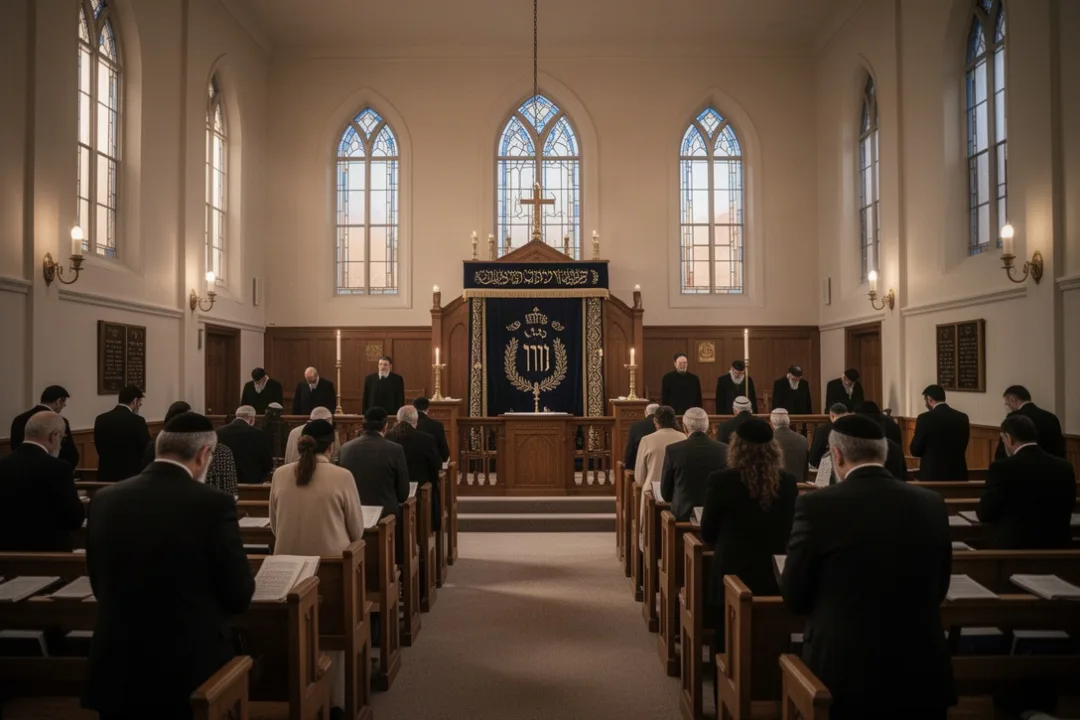
Yom Kippur is widely recognized as the holiest day in the Jewish year. Many observant Jews spend much of the day in synagogue services. The liturgy includes communal confessions of sin, prayers for forgiveness, readings from the Torah and Prophets, and a service remembering the ancient temple ritual.
One well-known service is Kol Nidrei, held at the beginning of Yom Kippur. Its name means “all vows,” and the service concerns vows or obligations in a specific liturgical and legal context. It should not be casually described as a general cancellation of every promise a person has made.
Another major service is Ne’ilah, which takes place near the end of the day. The name is associated with the closing of the gates, and the prayers express urgency, repentance, and a final appeal for forgiveness before the fast ends.
Traditional observance includes a complete fast from food and drink for healthy adults, along with avoiding ordinary work. Many observant Jews also refrain from bathing for pleasure, applying lotions or oils, wearing leather shoes, and marital intimacy. Customs can vary, and health takes priority over fasting.
Children, older adults, pregnant people, nursing parents, and those with medical conditions may be instructed to eat, drink, or follow a modified practice. A person with health concerns should seek qualified medical and religious guidance rather than assuming that severe fasting is always required.
Repentance during Yom Kippur also includes relationships with other people. Jewish teaching commonly emphasizes that seeking forgiveness from God does not replace making amends to someone who has been harmed. A sincere apology, restitution, and changed behavior may be necessary parts of the process.
What repentance means on the Day of Atonement
Repentance is more than admitting that a rule was broken. The Hebrew concept often associated with repentance, teshuvah, carries the idea of turning back. It involves recognizing wrong, expressing genuine regret, confessing where appropriate, repairing damage, and changing direction.
A person who has harmed another cannot treat a private prayer as a substitute for responsibility. If money was stolen, it should be returned when possible. If a reputation was damaged, the offender should seek to correct the false impression. If a relationship was wounded, reconciliation may require patience rather than one quick apology.
Yom Kippur also distinguishes between external religious practice and an honest heart. Fasting, prayer, and attendance at services have meaning, but they are not intended to become ways of avoiding justice or concealing unrepentant behavior.
The prophetic tradition makes this point repeatedly. The prophets criticized people who performed religious acts while exploiting the vulnerable, practicing dishonesty, or refusing justice. Their message was not that worship was worthless, but that worship must be joined to ethical obedience and compassion.
How Christian readers understand the Day of Atonement
Christians generally understand the Day of Atonement through the life, death, and resurrection of Jesus. The New Testament book of Hebrews discusses the high priest, the tabernacle, sacrifices, and entry into the holy presence of God, presenting them as patterns that point toward Christ’s priestly work.
Christian traditions differ in how they explain this connection, but many teach that Jesus is both the high priest and the decisive offering for sin. Hebrews 9 and 10 compare the repeated temple sacrifices with Christ’s once-for-all act, using the Day of Atonement imagery to describe access to God and cleansing from sin.
Christians also connect the removal of sin represented by the second goat with New Testament teaching about Jesus bearing or carrying away sin. Different Christian communities explain the sacrificial and substitutionary dimensions in distinct ways, so no single short formula represents every tradition.
Most Christians do not observe Yom Kippur as a required temple ritual. The temple in Jerusalem no longer functions, and Christian theology commonly holds that the work associated with the ancient sacrificial system finds its fulfillment in Christ. Some Christians nevertheless study or commemorate the day to understand the Bible’s teaching about holiness, repentance, sacrifice, and forgiveness.
Christians should also avoid using Yom Kippur as a way to dismiss Jewish practice. Jewish observance has its own history, theology, and living traditions. A respectful Christian reading can explore how the New Testament uses Day of Atonement imagery without claiming that Jewish people today are simply practicing an obsolete version of Christianity.
Practical ways to approach the Day of Atonement respectfully
Whether you are studying the Bible, attending a Jewish service as a guest, or considering how repentance applies to your own life, begin with the biblical passages rather than isolated symbols. Read Leviticus 16, Leviticus 23:26–32, and Hebrews 9–10 in context, remembering that Jewish and Christian interpretations are not identical.
These practices can help you learn without reducing the day to a single theme:
Read the full ritual account in Leviticus 16, including the instructions for the high priest, the two goats, the sanctuary, and the people.
Separate biblical commands from later customs. The temple ritual appears in the Torah, while many synagogue practices developed after the temple period.
Study the language carefully. Atonement, cleansing, forgiveness, sacrifice, and repentance overlap, but they are not interchangeable in every passage.
Consider both Godward and human responsibilities. The day addresses worship before God and the need to repair harm done to other people.
Respect Jewish observance if you are learning from a Jewish community, and ask about customs rather than assuming every congregation practices the day in exactly the same way.
If you are considering a fast, treat it as a religious practice with physical consequences rather than a test of spiritual strength. Fasting may be unsafe for some people and is not a requirement that overrides medical needs.
Health warning: Do not fast from food, water, or medication without appropriate medical advice. Yom Kippur traditions include accommodations for people whose health could be harmed.
Common mistakes people make about the Day of Atonement
Several misunderstandings arise when the day is described too quickly. The most common mistake is to call it merely an ancient Jewish holiday about fasting. Fasting is significant, but the biblical focus includes sanctuary cleansing, priestly mediation, sacrifice, confession, forgiveness, and communal restoration.
Another mistake is to describe the scapegoat as a person blamed unfairly. That modern meaning is different from the ritual in Leviticus 16. The biblical scapegoat is an animal used symbolically to represent the removal of Israel’s confessed sins.
People also sometimes assume that Yom Kippur is simply the Jewish New Year. Rosh Hashanah marks the beginning of the Jewish year, while Yom Kippur occurs ten days later and serves a different religious purpose. The two days are connected within the season, but they are not the same observance.
Keep these distinctions in mind:
Yom Kippur is not a day of ordinary celebration; it is a solemn day of fasting, rest, prayer, and repentance.
The ancient ceremony was not performed by every individual; the high priest represented the nation in the sanctuary service.
Atonement is broader than emotional regret; it includes cleansing, forgiveness, restored worship, and the removal of guilt.
Modern Jewish observance does not include temple sacrifices, because the Jerusalem temple is not currently functioning as it did in the biblical period.
Christian interpretations are theological readings of the biblical ritual and should not be presented as though they erase Jewish meanings or practices.
Why the Day of Atonement still matters
The Day of Atonement continues to raise serious questions about sin, responsibility, forgiveness, holiness, and reconciliation. It refuses to treat wrongdoing as an insignificant private matter. Sin affects people, communities, worship, and the integrity of relationships.
The day also holds together two truths that are often separated. First, people must face wrongdoing honestly. Second, forgiveness and cleansing are possible through the means God provides. Repentance is therefore neither denial nor despair; it is a movement toward truth, mercy, and changed conduct.
For Jewish communities, Yom Kippur remains a central annual time of fasting, prayer, confession, and seeking forgiveness. For Christians, its rituals provide important biblical background for understanding priesthood, sacrifice, holiness, and the New Testament teaching about Christ.
At its heart, the Day of Atonement asks what must happen when people have become separated from God and from one another. Its answer includes humble confession, serious repentance, divinely appointed cleansing, and a renewed commitment to live faithfully.
Frequently asked questions
Is the Day of Atonement the same as Yom Kippur?
Yes. Yom Kippur is the Hebrew name for the Day of Atonement. “Yom” means day, and “Kippur” is related to atonement or covering. It is observed on the tenth day of the Hebrew month Tishri and is regarded in Judaism as the holiest day of the year.
Why do people fast on Yom Kippur?
Fasting expresses humility, dependence on God, and the seriousness of repentance. Traditional observance also involves avoiding ordinary work and certain physical comforts. Fasting is not appropriate for everyone, however, and Jewish law and practice provide exceptions or modifications when health is at risk.
What is the scapegoat in the Day of Atonement ceremony?
The scapegoat was the goat designated for Azazel in Leviticus 16. The high priest confessed Israel’s sins over it, and the goat was sent into the wilderness. This symbolized the removal of the community’s guilt. The modern expression “scapegoat” has a broader meaning than this biblical ritual.
Do Christians observe the Day of Atonement?
Most Christians do not observe the ancient temple ceremony as a required religious practice. Many understand its priesthood and sacrifices as pointing to Jesus’ work, especially through the book of Hebrews. Some Christians study or commemorate Yom Kippur, while others leave its observance within Jewish religious practice.













Leave a Reply