Overview: Why church signs matter and what they can achieve
A church sign is more than a roadside bulletin or a decorative element. It is a public invitation, a
navigational aid, a reflection of a church’s heartbeat, and a conduit for relevant communication.
When crafted thoughtfully, creative signage for churches can welcome newcomers, guide regular attendees,
highlight outreach initiatives, and reinforce a clear sense of identity. In an era where people are
inundated with information, church signs that are clear, concise, and compelling stand out and
invite people to engage.
This article explores church signs ideas across indoor and outdoor contexts, with a focus on practical design,
copywriting tips, accessibility considerations, and actionable steps to bring signs from concept to installation.
We’ll use variations of the central theme—sign ideas for churches, creative church signs, and outdoor church signage—to cover a breadth of situations, budgets, and communities.
Outdoor signage ideas for churches
Outdoor signs are often the first encounter a visitor has with a church. They set expectations, provide
directions, and communicate core values. The goal is visibility, readability, and warmth, even at a distance
or in changing weather. Below are a range of ideas that work in many contexts, from historic campuses
to contemporary worship centers.
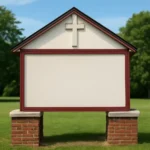
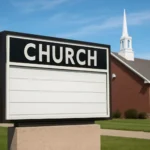
A solid monument sign establishes steady presence and institutional credibility.
It should reflect the church’s personality, whether traditional, modern, or eclectic.
Material choices: durable stone, brick, or metal with a high-contrast panel for legibility.
Typography: a single, legible typeface with generous letter spacing; avoid overly ornate fonts at long distances.
Branding consistency: include the church name, a simple logo or symbol, and a short tagline if space allows.
Accessibility: ensure the sign is readable from a vehicle lane and not blocked by landscaping.
Lawn and yard signs for temporary and ongoing messaging
Lawn signs can be swapped for sermons series, events, or community outreach campaigns. They are cost-effective
and highly adaptable for seasonal messaging.
Modular panels that can be updated piece by piece for new topics.
Posters and sandwich boards near the curb to capture pedestrians and drivers alike.
Quadrant layouts that convey a sermon series title, dates, and a compelling question or scripture.
Weather-resistant inks and coatings to preserve color and readability year-round.
Digital outdoor displays and LED signs
Digital signage provides dynamic, time-sensitive messaging. When used wisely, it can rotate announcements,
reflect the church calendar, and spotlight service times without cluttering the curbside space.
Service times and “welcome” messages should appear prominently and be easy to read at a glance.
Scripture of the day or a monthly theme can add spiritual texture without overloading the reader.
Schedule a content calendar to ensure messages stay fresh and aligned with ministries.
Backup signage for power outages or manual modes in case of technical issues.
Wayfinding, directionals, and parking signage
Clear wayfinding reduces visitor anxiety and enhances the experience of newcomers who might be unsure where to go.
Directional arrows to main entrance, sanctuary, restrooms, nursery, and parking.
Multi-lingual signs if the community includes diverse language groups.
Temporary routing for events with alternating entrances or overflow parking.
Event banners and outdoor banners
Large banners can announce special programs, concerts, guest speakers, or community service days.
Bold headlines with minimal copy and a strong call to action.
Consider weatherproof materials and an easy method for daily installation/removal.
Coordinate color schemes with branding guidelines to maintain a cohesive exterior aesthetic.
Indoor signage ideas and welcoming environments
Inside a church, signage serves a different role: orientation, hospitality, and ministry clarity. A well-signed interior
helps visitors feel seen, guides volunteers, and communicates practical information without interrupting worship.
Welcoming signs near entrances
The interior welcome should be immediate and friendly. A well-placed sign can direct guests to the welcome desk,
restrooms, and family ministries.
Warm language and a friendly tone that invites questions.
Directory maps showing ministries, classrooms, and service locations.
Icons and pictograms to assist non-native speakers and families with strollers or mobility needs.
Worship space and program signage
Within the sanctuary and worship areas, signs can provide service details, sermon series, and liturgical cues
without distracting from the experience.
Service order screens or signs that indicate songs, scripture readings, and sermon topic.
Seasonal banners that complement the liturgical calendar (e.g., Advent, Lent).
Quiet, legible typography and high-contrast colors that are easy to read from pews.
Nursery, children’s ministry, and youth spaces
Age-appropriate signage communicates safety, policies, and daily routines. It also helps families navigate
the campus with confidence.
Check-in/out signs with clear procedures and safety guidelines.
Color-coded wayfinding for different age groups and classrooms.
Signage that communicates volunteer needs, safety rules, and crisis procedures in a calm, respectful tone.
Seasonal and event-based signage
Seasonal signage aligns a church’s communication with the rhythms of the calendar and community life.
Using a mix of evergreen messages and timely updates helps keep the church relevant and approachable.
Seasonal campaigns and sermon series signs
Sermon series titles paired with a brief, provocative question or scripture reference.
Artwork and color palettes that reflect the season while remaining legible from a distance.
Consistency across outdoor banners, digital displays, and indoor signage to reinforce the theme.
Holiday and festival signage
Christmas and Easter signage that communicates times, locations, and guest accommodations.
Thanksgiving outreach or back-to-school drives announcements integrated with service times.
Printable calendars or social media prompts that extend the signage into online channels.
Special events and community outreach
Volunteer signups for food drives, clothing gives, or tutoring programs.
Guest speaker events with clear registration directions and a QR code linking to details.
Outdoor banners for summer concerts or neighborhood block parties that invite walk-up attendance.
Copywriting and message craft for church signs
The most effective signs convey a message quickly. Short, punchy copy paired with a strong visual
element can communicate the church’s hospitality, values, and invitations in the time a passerby has to read.
Keep it concise: aim for a single idea per sign and limit to 6-8 words per line.
Lead with value: answer “What’s in it for me?” for a first-time reader.
Use action-oriented language and a clear call to action (visit, join, volunteer, donate).
Incorporate scripture or spiritual language in a way that is accessible to newcomers.
Word banks and messaging themes
Hospitality, warmth, welcome, and belonging.
Service times, locations, and parking directions.
Community impact, service projects, and outreach invitations.
Spiritual growth, study groups, and small groups.
Designing for legibility and impact
Contrast between text and background improves readability for all readers.
Font choices should be simple, sans-serif or classic serif with clean letterforms.
Hierarchy uses font size and weight to emphasize the most important information first.
Consistency in branding and tone across all signs creates a recognizable identity.
Design considerations and accessibility in church signage
Signage should be inclusive and accessible to people with varied abilities. Accessibility considerations improve
readability, comprehension, and usability for everyone in the community.
Typography and color
Legible typefaces with adequate character width and simple letter shapes.
High contrast (dark text on light backgrounds or vice versa) for readability in sunlight or low light.
Avoid thin strokes or decorative fonts that reduce legibility at a distance.
Size, placement, and durability
Signage should be sized for the viewing distance and expected speeds of passing traffic.
Strategic placement near entrances, parking lots, and pedestrian routes to maximize visibility.
Use weatherproof materials and coatings to endure seasonal changes and vandalism risks.
Inclusive language and community representation
Sign content should be welcoming to newcomers, families, seniors, and people with disabilities.
Provide translations or bilingual signage where appropriate to reflect the local community.
Technology and digital signage options for churches
Technology enables dynamic storytelling, real-time updates, and cross-channel consistency. Churches can
balance traditional physical signage with digital tools to reach people in different contexts.
LED and LCD outdoor screens
Outdoor digital boards can cycle service times, upcoming events, and important announcements.
Content cadence: rotate content every few seconds with short, impactful phrases.
Set automatic brightness and weather sensing to maintain readability.
Maintain backup messages for power outages or offline scenarios.
Indoor digital displays and lobby kiosks
In-lobby screens or kiosks can present a welcome video, map of ministries, or volunteer opportunities.
Interactive QR codes linking to event registrations or ministry pages.
Content rotation aligned with sermon series and seasonal campaigns.
Accessibility features like closed captions and screen reader-friendly text.
Mobile-friendly and social integration
Sign copy should align with digital channels: consistent branding across signage, website, and social media.
Encourage visitors to scan a QR code to receive the church’s welcome packet or to subscribe to a mailing list.
Community-centered and outreach-oriented signs
Church signs can reflect a community-first approach, signaling that the church is a resource, a partner, and a
place of refuge. Outreach signage should be clear, actionable, and empathetic.
Signs that invite participation
Volunteer recruitment for food banks, tutoring, or community visits.
Service and support programs announcements, including counseling, grief support, or addiction recovery groups.
Information about free resources such as clothing closets, school supplies, or hot meals.
Partnership and collaboration signage
Signage that communicates partnerships with local nonprofits and shelter programs.
Clear details about how community members can get involved or donate materials.
Neighborhood visibility
Block party signs and street banners for community events that welcome neighbors.
Tips on leaving a sign that does not contribute to visual clutter but instead adds a positive presence.
Implementation plan: from idea to installation
Turning church signs ideas into tangible signage involves a structured process: defining goals, clarifying branding,
selecting materials, creating copy, and installing with consideration for safety and maintenance.
Audit the current signage: assess legibility, consistency, and coverage. Identify gaps for outdoor, indoor, and digital signs.
Define goals: welcome newcomers, highlight services, support outreach, or provide safety information. Determine
the primary audience for each sign type.
Develop a branding and copy framework: establish a consistent voice, color palette, typography, and message hierarchy.
Choose sign types and materials: monolith monuments, lawn signs, banners, or digital boards, considering budget and climate.
Create content calendar: plan content around seasons, sermon series, and events to ensure timely messaging.
Prototype and test: gather feedback from staff and a sample of regular attendees; test readability and comprehension at distance.
Install and document: ensure secure mounting, accessibility, and clear sightlines; photograph signage for records and future updates.
Maintain and refresh: schedule routine checks for weather damage, readability, and content updates.
Sample messages and sign ideas to inspire your project
To ground the concepts in tangible examples, here are diverse message ideas that can be adapted to different church cultures.
Outdoor sign message ideas
Welcome home this Sunday — Join us at 9:30 a.m. in the Main Sanctuary
New to our church? We’d love to meet you at the Welcome Desk
Love your neighbor this week: volunteer at our community meal on Saturday
Scripture of the day: “Be kind and compassionate” (Ephesians 4:32)
Indoor welcome and direction ideas
We’re glad you’re here. Find our hospitality team in the lobby after service.
Check-in for children’s ministry at the Welcome Kiosk.
Study tonight: “Faith in Action”—see room 204 for details.
Seasonal and series-specific messages
Advent series: “Waiting with Purpose” — Weekly reflections in the lobby display.
Lent study: Join small groups; sign up at the info desk.
Winter outreach: Coat drive—drop-off in the parking lot by the fellowship hall.
Practical tips for maintaining and evolving church signs
A sign program is an ongoing commitment. Regular maintenance and thoughtful evolution prevent signs from becoming
dated or ineffective. Consider these practical tips to keep signage fresh and functional.
Periodic content refresh: rotate messages quarterly or with major ministry changes.
Volunteer involvement: recruit a signage team to manage copy, installation, and updates.
Quality control: establish a checklist for readability, weatherproofing, and vandalism prevention.
Community feedback: solicit input from church attendees about sign clarity and helpfulness.
Budgeting and resource considerations
Set aside a dedicated fund for replacement parts, paint touch-ups, and digital content management.
Prioritize accessibility and durability in the initial investment to reduce long-term maintenance costs.
Plan for phased updates: start with essential outdoor signs, followed by interior wayfinding and digital options.
Closing thoughts: crafting a cohesive signage ecosystem for your church
The most effective church signs ideas create a cohesive ecosystem that spans outside and inside spaces and
integrates with digital channels. By focusing on clarity, warmth, and relevance, churches
can extend their reach, strengthen hospitality, and support meaningful engagement with the community.
Remember that each sign is a tiny ambassador for the church. It speaks before a person enters the building and
can linger in memory long after the visitor departs. When you approach signage as ministry, you
align design, copy, and placement with the life of the church and its outreach to neighbors. This approach
helps ensure that church signs ideas are not just decorative but actively contribute to growth,
belonging, and service.













Leave a Reply