Church Sign Ideas: 25 Creative and Impactful Signs to Boost Your Church Outreach
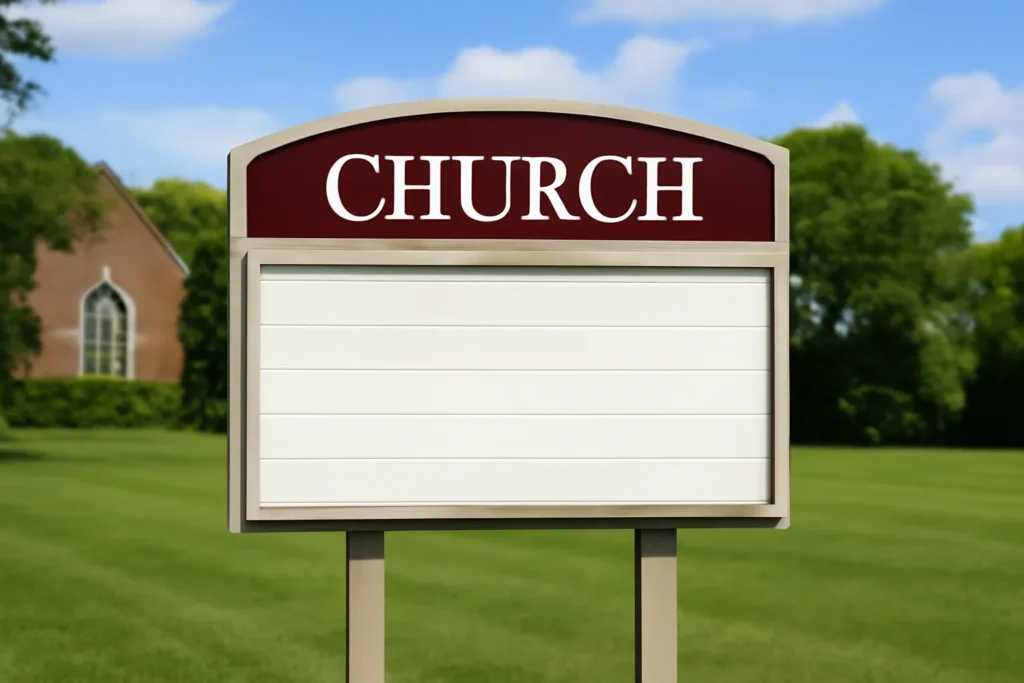
In today’s connected world, a church sign is more than a marker on a corner. It is a first impression, a beacon for the local community, and a practical invitation to explore faith, hope, and belonging. Church signs that blend clarity, warmth, and relevance can dramatically increase walk-ins, stimulate conversations, and lay the groundwork for meaningful outreach efforts. This article presents 25 creative and impactful sign ideas you can use today, along with practical tips on placement, typography, and message construction. Each idea is designed to be adaptable to different contexts—urban and rural settings, seasonal campaigns, and programs for families, youth, seniors, and newcomers.
The goal is not to overwhelm passersby with information but to spark curiosity, signal hospitality, and guide people to resources they can use. Below you will find a curated list of ideas, organized to help you think about what your sign communicates at a glance, how it feels to the reader, and how it integrates with your broader outreach strategy.
Why church signs matter in modern outreach
Signs at church properties serve multiple roles. They convey identity, provide information, and create a sense of invitation that invites people to slow down, breathe, and consider a spiritual conversation. An effective sign:
Clarifies location and timing so curious passersby know when and where to go.
Conveys hospitality with warm language and inclusive tone.
Offers next steps such as visiting a website, joining a study, or calling for prayer.
Works across weather and lighting conditions by using high contrast and legible typography.
When signs align with your church’s values and visions, they become reliable touchpoints for people exploring faith, seeking community, or simply looking for help in daily life.
25 Creative and Impactful Signs to Boost Your Outreach
Below are 25 sign ideas, each with a concise rationale, placement notes, and variations you can tailor to your church’s context. Use them as-is or adapt them to fit your brand colors, font choices, and community needs. For readability, keep most headlines under 8 words and pair them with a single, clear call to action.
You Are Welcome Here — This universal invitation communicates warmth at a glance. Place it on the main frontage so it’s readable from the street, especially during evening traffic. Use high contrast (dark type on a light background) and a clean font. Consider pairing with a secondary line such as “Come as you are. Stay as you like.”
Placement tip: near the curb and alongside a visible entrance. Variation: swap “Here” for “Today” on days with special events.
Come As You Are — Encourages visitors who may feel unsure about church norms. This sign signals inclusivity and reduces barriers to entry. Use a friendly script or rounded sans-serif to convey openness. Include a quick next step like “Tour our lobby” or “Join us for coffee after service.”
Placement tip: at the sidewalk edge or on a low-profile panel near parking.
You Belong Here — Builds a sense of community before people even walk in. The sign works well with a softer color palette and a slightly larger font for readability. Add a supportive subline: “A place to grow, serve, and heal.”
Placement tip: near a main doorway and also visible from the street.
Free Community Meal Friday — A practical outreach opportunity that invites neighbors to connect. The phrase should be bold and legible from 20–30 feet away. Include details such as time, location, and whether reservations are needed. Consider including a QR code to sign up.
Placement tip: on the side of the building facing the street and next to the parking lot entrance.
Need Prayer? Let Us Pray With You — Signals care and a tangible support system. Use a calm color scheme and a compassionate tone. Add a small line that explains how to request prayer (in person, phone, or online).
Placement tip: position near a welcome desk or prayer room entrance.
Sunday Service Times — Practical and essential for first-time visitors. Keep the times prominent and up-to-date. Pair with a simple map icon or directional arrow. If you offer multiple services, list them clearly and briefly.
Placement tip: at the far left and right edges of the sign so drivers on both directions can read them.
Got Questions? We Have Answers — Creates curiosity and invites dialogue. This sign pairs well with a “Q&A after service” session or a contact point on Sundays. Use a bold, readable font and a subline directing people to a question hub online or in the lobby.
Placement tip: near a welcome desk or information board.
Open Hearts, Open Doors — A warm, memorable phrase that emphasizes hospitality. Use a heartwarming color scheme, such as blues or greens, and pair with a short call to action like “Visit us after service”.
Placement tip: at eye level where walkers stop to read the sign.
Kids Welcome Here — Signals family-friendliness and safety. Consider adding a child-safe icon and information about nursery or children’s programs. If space allows, include a time for family-oriented activities to entice parents to linger.
Placement tip: near the driveway or entrance closest to the kids’ ministry.
Families, Students, and Seniors Welcome — A broader demographic invitation. This sign communicates inclusivity for diverse age groups. Use a simple layout with distinct icons for family, student, and senior programs to reinforce the message.
Placement tip: in a highly trafficked corner with good visibility from sidewalks.
Improving the World, One Neighbor at a Time — Connects faith with social action. Use this sign to promote service opportunities or local outreach projects. Include a short line about upcoming volunteer events and how to join.
Placement tip: near a volunteer bulletin board or lobby display.
Sunday Bible Study — All Are Welcome — Encourages ongoing spiritual formation. Use a distinct color for study signs and place them near the entrance to the education wing. Add a map to the classrooms to reduce confusion for newcomers.
Placement tip: at the foot of stairways or elevator entrances for accessibility.
Find Rest for Your Soul — A comforting, inviting message. Pair with a short description of a worship service or contemplative space. Bold for emphasis, with a softer subtitle guiding visitors to the sanctuary or prayer room.
Placement tip: near quiet spaces or entrances to the sanctuary.
Grace, Hope, and a Fresh Start — Speaks to transformation and renewal. Use a palette that evokes calm and renewal (cool blues, soft greens). Include a line inviting people to explore baptism, newcomers’ classes, or recovery groups.
Placement tip: on a prominent corner panel with a clear “Learn More” button or QR code.
Find Your People Here — Signals community and belonging. Emphasize small groups, ministries, or support circles. Add a short roster of ongoing groups with a link to a sign-up page.
Placement tip: near the lobby with a visible sign for groups.
Serve With Us This Weekend — Encourages active participation and service. Highlight specific projects and the time commitment. A bold sign with a clear call to action helps motivate attendance and volunteering.
Placement tip: near parking and entry doors to catch early walkers.
Outdoor Events This Saturday — Creates anticipation for seasonal programs like concerts, markets, or family nights. Include a date and a brief teaser such as “Fun for all ages”.
Placement tip: on a curbside panel that’s easy to notice from vehicles.
Prayer Room Open All Day — Signals an always-available space for quiet and reflection. Pair with signage showing directions and a small map. Use a serene color and a tranquil icon to communicate peace.
Placement tip: near the worship center entrance or lobby corridor.
New Here? Start Here — Aimed at first-time guests, this sign should point to a welcome desk, a newcomers’ class, or a quick-start guide. Use a simple arrow and minimal text to guide people toward next steps quickly.
Placement tip: at the end of the driveway or right by the entrance.
Questions Welcome — Bible Study This Week — Encourages inquiry and ongoing learning. Include a sign-off like “Let’s explore together.” and a way to connect with a study group.
Placement tip: near the education wing or study room doors.
Every Week, A New Beginning — A hopeful message about renewal and growth. Tie this to a program like a weekly service, sermon series, or recovery group. Add a line that directs people to more information.
Placement tip: along the main sidewalk with a direct path to the sanctuary.
He Loves You as You Are — Reassuring and intimate. Use a warm color and a brief subline like “Explore a personal relationship with God today.”
Placement tip: use this on the side panels facing busy street lanes.
Join Our Youth Night — Open to All — Appeals to families and teenagers. Use a bold, modern font with a small icon representing youth activities. Include a date, time, and a link to the youth page for more details.
Placement tip: on the youth wing entrance or near the student center.
Free Bible Resources — Bibles, Journals, and More — Demonstrates practical support and generosity. Offer a QR code or contact line for pickup details. Ensure the resources are clearly stocked and accessible.
Placement tip: at the media desk or lobby area where visitors gather.
Family Movie Night — Free Admission — A family-friendly outreach tactic that signals fun and safety. Use bright colors and a concise line about the movie title and showtime. Include accessibility notes like “Closed captions available.”
Placement tip: near parking entrances and within view of approach paths.
Recovery and Hope — Addresses healing paths for people affected by addiction or grief. Pair with a short list of meeting times, contact info, and a compassionate tone. Consider a sign in the courtyard for easy visibility during outreach events.
Placement tip: by the main entrance and the counseling center doorway.
Grief Support Group — You Are Not Alone — Provides reassurance and a concrete resource. Include meeting times and a facilitator contact. Use a softer palette to reflect the seriousness of the topic while maintaining a welcoming tone.
Placement tip: toward quieter corners of the campus or by the counseling wing.
Open Doors to Hope — Emphasizes hospitality with a forward-looking message. Use a simple, memorable font and a subtle graphic such as a door or sunrise. Add a call to action like “Learn more about our programs.”
Placement tip: near the entrance with good day-long visibility.
Come for Welcome, Stay for Community — Helps people understand the long-term value of engagement. Feature a short list of ongoing ministries (care, small groups, service) and a link or QR code to sign-ups.
Placement tip: on a freestanding sign near the sidewalk or at the property line.
Family Life Center — Programs for All Ages — Highlights family-oriented programming and may attract parents seeking wholesome activities. Pair with a schedule line showing recurring times and a contact for more details.
Placement tip: at the family entrance or next to the child care wing.
Seasonal and Special-Event Sign Ideas
Seasonal campaigns and special events offer a natural opportunity to adjust your sign messaging to match community rhythms. Here are ideas for adapting a core set of messages to Christmas, Easter, back-to-school season, and community-focused initiatives. The goal is to maintain consistency while introducing a timely, context-relevant invitation.
Christmas Eve Service — A timely invitation with a concise time and location note, plus a reminder to bring friends who might not attend otherwise.
Easter Sunrise Service — A historic hook that can be paired with a map and parking guidance. Use bright, joyful colors and a simple “All are welcome” line.
Back-to-School Blessing — A sign that resonates with families returning to routines. Include a brief line about a blessing service or family-focused activities.
Harvest Mission Fair — Connect seasonal abundance with service projects. Emphasize neighborhood outreach and opportunities to volunteer.
New Year, New Hope — Introduce a sermon series or small groups for renewal and growth; pair with a registration link or QR code.
Implementation Tips and Best Practices
Typography and Readability
The most compelling sign in the world fails if it’s hard to read. Choose a clean, legible typeface, with a minimum size that remains readable from 20–40 feet away, depending on traffic speed. Prioritize high contrast between text and background, and limit the number of lines to 2–3 for the main message. Avoid fancy script fonts for core information.
Color, Contrast, and Branding
Colors should reinforce your brand identity and be accessible to people with color vision differences. Use a consistent palette across all signs to create recognition. Reserve bold accent colors for calls to action, such as “Learn More,” “Join Us,” or “Pray With Us.” A defined color language helps people scan quickly and decide what to do next.
Position signs to catch the eye of drivers and pedestrians alike. Place the primary sign at eye level or slightly above, with eye-catching but uncluttered layouts. Ensure signs are well-lit at night, either with external lighting or reflective materials. Regularly inspect for weather-related wear, and update information promptly after changes in service times or events.
Accessibility and Inclusivity
Make sure your signage reflects accessibility goals. Use large print where possible, provide tactile or braille options where appropriate, and avoid directing people away from accessible routes. Consider signs in multiple languages if your community is multilingual, and ensure entrances, parking, and routes described by signs are accessible to all.
Sign effectiveness can be assessed through simple metrics: increases in visitor check-ins, buzz on social media, or questions at the welcome desk. Solicit feedback from first-time guests about what stood out. Use that input to refine wording, placement, and the frequency with which you rotate messages.
By combining creative phrasing with practical design and thoughtful placement, your church signs can become a reliable extension of your ministry. The 25 ideas above are designed to be adaptable, scalable, and actionable for churches of all sizes. The purpose is not to overwhelm the street with information but to extend a genuine invitation—one that invites people to explore faith, community, and the possibility of a new chapter in life.









Leave a Reply