Christian Testimony Example: Real-Life Faith Stories and Lessons
A Christian testimony is more than a memory; it is a narrative that highlights how God has moved in a person’s life. It can be a brief conversion story, a longer testimony narrative, or an ongoing faith journey that unfolds over years. In this article, you will find christian testimony example content in several forms: explanations of what makes a strong testimony, real-life testimony stories, and practical guidance on how to craft and share your own gospel-centered testimony. The aim is to offer both inspiration and instruction so that readers can recognize genuine grace, learn from others’ experiences, and grow in their own faith.
What is a Christian testimony?
A Christian testimony is a personal account of a moment or season when a person encountered Jesus and responded with faith. It often includes
a sense of brokenness or despair, the discovery of grace, and a transformed life marked by obedience, gratitude, and hope. While each testimony is unique, common elements recur across many testimony examples:
Before: a clear picture of life prior to faith, including struggles, doubts, or hurt.
Moment of encounter: a turning point or realization of God’s presence, often described as grace, mercy, or calling.
After: transformation that follows the decision to trust Christ, including changes in values, relationships, and priorities.
Impact: ongoing growth, service, or mission motivated by faith.
Why personal testimony matters
Testimonies serve multiple purposes in Christian life. They encourage faith, validate the gospel, and provide a bridge for evangelism that feels personal rather than doctrinal. A compelling testimony sample can help a listener connect with spiritual truth on an emotional level, which often makes complex ideas about salvation more approachable. Three distinct reasons stand out:
Relatability: Personal stories speak to lived experience and humanity, not just doctrine.
Hope: Real-life recovery and redemption offer hope to people who feel entrenched in doubt or pain.
Witness: A testimony can articulate the transformative power of grace in a concrete way, inviting others to seek God themselves.
Real-Life Christian Testimony Examples
Below are testimony examples drawn from common life experiences. Each Christian faith story illustrates different pathways to faith—some through crisis, others through curiosity, service, or community. While the names are fictitious to preserve privacy, the themes reflect authentic patterns that churches hear regularly.
Example 1: Anna’s journey from loss to a living faith
Anna grew up in a busy household where school, sports, and social life kept her schedule full. Yet, beneath her outward strength, she carried a weight of grief after the sudden loss of a parent. During a campus ministry retreat, a speaker shared about a God who meets the brokenhearted. That night, Anna found herself praying a simple, honest prayer: “If you’re real, prove it to me.” In the weeks that followed, she began to notice small, everyday moments that felt “held” by something greater—moments that pointed her toward a personal encounter with God’s grace.
The turning point came through a friend who listened without judgment and invited her to read the Bible together. As she read passages about comfort, healing, and a Father who sees every tear, Anna felt a softening of old fears. The gospel began to land not as a set of rules, but as a promise of forgiveness and new life. Her conversion story was not instantaneous, but it was decisive: she chose to trust Jesus, seek community, and lean into the disciplines of prayer and Scripture.
Today, Anna volunteers with a nonprofit that supports families facing loss. Her testimony reminds us that a genuine faith journey can emerge from the softening of grief into gratitude. The lessons from Anna’s testimony example include the importance of honest confession, patient growth, and a willingness to let grace reframe life’s hardest experiences.
Example 2: Daniel’s turning point through grace and service
Daniel lived with a professional success that felt void of meaning. He bragged about achievements but secretly worried that his life would never have lasting significance. A coworker invited him to a service project at a local shelter, where Daniel met people whose trials were greater than his own—yet whose expressions of joy and resilience surprised him. He began to see a different kind of wealth: the joy of service and the presence of Christ in everyday acts of care.
At first, Daniel was skeptical of religious language, but he kept returning to the shelter, listening to stories of deliverance and restoration. A volunteer shared a simple testimony about salvation by grace and the unique peace that comes from laying one’s burdens at the feet of Jesus. One evening, Daniel prayed a quiet prayer: “I don’t know everything, but if you’re real, meet me here.” That night he felt a weight lift—a sense that God’s love extended to him in concrete ways, through people who offered food, conversation, and hope.
Daniel’s faith journey matured as he began to study Scripture, join a small group, and serve more intentionally. His testimony emphasizes the idea that grace can pursue us through actions as well as words—that genuine faith is not merely belief, but a life oriented toward others in the name of love.
Example 3: Maria’s call in adversity: a gospel-centered testimony
Maria faced a medical diagnosis that changed the trajectory of her life. The news brought fear, but it also drew her into the deep questions she had avoided: Why am I here? Who do I rely on when plans fail? A devout friend reminded her of the promises in Scripture, and she began to cling to verses about God’s faithfulness and hope in suffering. In the moment of challenge, Maria found comfort in prayer and in a church community that surrounded her with practical support and spiritual encouragement.
Her conversion story became a living testimony to others who face uncertainty. Maria describes the shift from self-reliance to trust in a Creator who works through weakness. The lessons she learned—about patient endurance, honest wrestling with doubt, and the mercy that sustains life—form a powerful testimony example that resonates with many who watch someone turning to faith in the midst of pain.
Elements of a Strong Christian Testimony
A strong testimony contains certain elements that make it compelling and shareable. While every story is unique, the following components often appear in christian testimony examples that move listeners toward reflection, empathy, and faith:
Honesty: A candid account of doubts, fears, or failures helps listeners relate and trust the storyteller.
Contrast: A before-and-after portrayal that shows meaningful change rather than mere sentiment.
Encounter: A moment or process in which the person senses God’s presence, grace, or calling.
Transformation: Observable changes in behavior, relationships, or priorities that align with Christian teachings.
Grace-centered language: Emphasis on God’s initiative and mercy rather than mere human effort.
Practical implications: Concrete examples of living out faith in daily life, work, family, and community.
Core elements to include in a testimony
Before state: What life looked like before encountering Christ.
Turning point: The moment or process by which faith began or intensified.
Response: How embracing faith changed choices, actions, or commitments.
Impact: Ongoing effects on life, relationships, and purpose.
How to Write Your Own Christian Testimony
Writing a trustworthy and compelling testimony example doesn’t require perfect prose. It requires authenticity, clarity, and hope. Use the following practical steps to craft a personal faith story that can be shared verbally or in writing.
Step-by-step guide to a Gospel-centered testimony
Pray for clarity and humility. Ask God to guide your words so they honor Him and encourage others.
Identify the before state. Describe life before Christ with concrete details that illustrate needs, struggles, or emptiness.
Describe the turning point. Pinpoint a moment when you sensed God’s invitation or grace—this could be a calm conviction or a dramatic intervention.
Explain the decision. Share how you responded—what you prayed, whom you invited into the journey, or what steps you took in faith.
Illustrate the after. Show how life changed as a result—new patterns, habits, relationships, or purposes that reflect your faith.
Include Scripture or promises. Reference a verse or truth that supported and sustained you, such as Romans 5:8 or John 3:16.
Close with a forward look. End with hope for the future and a call to consider faith for the listener or reader.
When writing, consider the audience and the setting. A testimony example for youth ministry may use concise and relatable language, while a formal church service might invite deeper reflection through a more measured tone. Regardless of length, the core aim remains the same: to communicate the reality of God’s love and the transformative power of grace in real life.
Practical tips for making your testimony clear and memorable
Use concrete details: names, places, emotions, and specific moments help listeners visualize the story.
Avoid jargon overload: explain terms that might be unfamiliar to some listeners.
Balance emotion with truth: let feelings surface, but anchor them in biblical truths about God’s character.
Be concise: a strong testimony can be powerful in a few minutes or a few short paragraphs.
Practice with trusted friends: feedback helps refine clarity and impact.
Delivering Your Testimony: Tips for Sharing
Sharing a faith story publicly can be daunting. The following guidelines help you communicate confidently in a way that honors God and invites others to consider Him.
Delivery strategies for impact
Practice aloud to build natural rhythm and reduce filler words.
Use a simple outline: Before – Turning point – After.
Maintain eye contact and speak with sincerity rather than performance.
Include a brief invitation or question: invite listeners to reflect on where God is at work in their lives.
Respect the setting: adapt length and tone to the audience, whether a classroom, a church, or a small group.
Ethical considerations when sharing testimonies
Protect others’ privacy: change identifying details if necessary when sharing real stories in public.
Avoid sensationalism: let the narrative flow from genuine experience rather than drama.
Give credit to God: ensure the focus remains on God’s work, not personal achievement.
Common Variations of Christian Testimony
While every christian testimony example is unique, there are common variations that reflect different paths to faith. Understanding these patterns helps you both respect others’ stories and recognize your own trajectory.
The conversion story
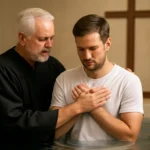
A classic conversion story centers on a decisive moment when someone chooses to trust Christ. It often involves a clear sense of invitation, a decision to repent, and an immediate shift in priorities—such as choosing to follow Jesus in daily life, baptism, or committing to church community.
The healing and restoration narrative
In some testimony examples, the emphasis is on healing—physical, emotional, or relational. This narrative highlights God’s mercy amid pain, followed by restoration and renewed purpose. Such stories remind listeners that God’s power meets people at the point of need and offers a path toward wholeness.
The vocational or calling story
This variation focuses on discovering or confirming a life purpose in light of God’s calling. The storyteller might describe a sense of destiny, the confirmation of gifts, or a new path in ministry, missions, or service. It shows how faith influences career, family, and community involvement.
The everyday faith story
Not all testimonies read like dramatic novels. Many are “everyday faith stories” that emphasize consistency in small choices—daily prayer, Bible engagement, acts of kindness, and steadfast trust in God through routine trials. These everyday faith stories are powerful because they demonstrate a sustainable, life-long relationship with God.
Lessons Learned from Real-Life Stories
Reading or hearing testimony examples can offer practical lessons for living out the Christian faith. Here are several universal insights often found in real-life testimonies:
Authenticity matters: People connect with honesty about doubt, fear, and confusion as well as triumph.
Grace covers growth: Transformation is gradual and messy; grace meets us in the process.
Community supports faith: Relationships within church communities, families, and the body of Christ sustain growth and accountability.
Scripture anchors experience: The Bible provides language and context for both doubt and faith.
Hope remains central: Even when life is difficult, testimonies often point toward a future with God’s promised restoration.
Common Questions About Christian Testimony
If you are new to hearing or sharing testimonies, you might have questions. The following Q&As address frequent concerns and offer practical guidance.
A believable testimony is grounded in authenticity, concrete details, and alignment with Scripture. It avoids exaggeration and centers on God’s work rather than self-promotion. Believability increases when the speaker shows humility, honesty about doubt, and clear outcomes that reflect biblical truths.
How long should a testimony be?
There is no one-size-fits-all length. In many settings, a concise testimony of two to five minutes works well. For small groups or personal sharing, longer narratives of eight to ten minutes can be meaningful if well-structured and engaging.
How do I protect others when sharing a testimony?
Be mindful of privacy and respect. If someone’s life depends on anonymity (e.g., a real crisis or sensitive situation), consider using generalized language or seeking consent before sharing identifiable details. It’s also wise to avoid sensationalism that could distract from God’s message.
Crafting a Personal Testimony Library
For those who want to be ready to share their faith in diverse contexts, building a small “testimony library” can be helpful. Each entry should be adaptable to different audiences and time constraints. Here are a few ideas for organizing and maintaining a personal portfolio of faith stories.
Three-minute version: A tight, engaging outline with the core elements: Before, Turning Point, After.
Five-minute version: Adds a brief Scripture reference and a short reflection on impact.
Narrative version: A richer story with more detail about relationships, community, and the process of growth.
Testimony in writing: A written piece that can be shared in newsletters, blogs, or websites, with optional audio or video adaptations.
When composing or collecting Christian testimony examples for a group, encourage participants to focus on what God did, how they responded, and what changed in their lives as a result. Offer guidelines and templates to help people articulate their stories clearly and respectfully.
Conclusion: Embracing the Power of Real-Life Testimony
Real-life faith stories illuminate the path from longing and doubt to trust and transformation. Whether you are reading a Christian testimony example, listening to a friend share a gospel-centered testimony, or drafting your own personal narrative, the underlying truth remains the same: God’s grace is active in ordinary life. The lessons from these stories—honesty, grace-seeking, and community—offer a practical framework for understanding how faith takes root and grows in everyday contexts.
By studying varied testimony narratives, you can recognize God’s work across different circumstances and learn to share your faith with clarity and compassion. Remember the core message that unites all Christian testimony: the good news that Jesus saves, redeems lives, and invites everyone into a living relationship with God. Whether your own journey is still unfolding or you are recounting decades of God’s faithfulness, your testimony matters. It is a visible sign of hope in a world longing for truth, a bridge to conversation about faith, and a testimony to the enduring presence of Christ in all seasons of life.