When you feel scared, several Bible passages speak directly to fear and God’s presence. Start with Psalm 23, Isaiah 41:10, Psalm 56:3, or John 14:27; each points you toward trust, comfort, and courage rather than pretending fear does not exist.
These verses do not promise that difficult situations will never happen. Instead, they remind you that fear does not have to control your choices, and that you can bring your uncertainty honestly to God. Read a passage slowly, repeat a meaningful phrase in your own words, and allow its message to steady you.
Fear often becomes stronger when you feel alone. The Bible repeatedly responds to that feeling with the promise of God’s presence. His nearness is not presented as a vague idea; it is described as protection, companionship, strength, and help in trouble.
Psalm 23 uses the image of a shepherd caring for sheep. Its darkest scene is a valley filled with danger, yet the central comfort is that the shepherd remains present. This makes the psalm meaningful when you are facing illness, grief, a difficult decision, or an uncertain future. You may still be in the valley, but you are not abandoned there.
Isaiah 41:10 tells God’s people not to fear because God is with them. The passage connects his presence with strength, help, and support. Read it when you feel incapable of handling what is ahead. Its message is not that you must produce courage by yourself; it is that God can sustain you when your own strength feels limited.
Deuteronomy 31:8 describes God going before his people and remaining with them. That makes it especially fitting before a new job, medical appointment, move, examination, conversation, or other unfamiliar situation. You can carry the reference with you as a reminder that an unknown path is not unknown to God.
Joshua 1:9 links courage with the assurance that God is present wherever his people go. The original setting involves a major responsibility and a daunting transition. Applied carefully, the passage can encourage you to take the next faithful step without demanding that you feel fearless first.
When fear feels immediate: Say, “God, stay close to me in this moment,” then read Psalm 23 or Isaiah 41:10 slowly. A short prayer can be more honest and useful than trying to find perfect words.
Psalm 23: God accompanies you through threatening circumstances.
Isaiah 41:10: God offers strength, help, and support.
Deuteronomy 31:8: God goes before you and does not leave you.
Joshua 1:9: God’s presence gives courage for difficult responsibilities.
Psalm 46:1-3: God is described as a refuge and reliable help during trouble.
Notice the pattern in these passages: comfort is rooted in relationship. The Bible does not merely say, “Be brave.” It gives you a reason to keep going: God is with you, helps you, and remains faithful when circumstances are unstable.
What the Bible says when you are anxious about the future
Some fear comes from a specific threat. Other fear grows from questions you cannot answer: What will happen next? Will I be safe? Can I handle the consequences? Scripture addresses this kind of anxiety by turning your attention from imagined outcomes to daily trust.
Matthew 6:25-34 records Jesus teaching about worry over food, clothing, and the future. He points to God’s care for creation and encourages his listeners to focus on the responsibilities of the present day rather than trying to carry every possible tomorrow at once. This does not dismiss real needs. It challenges the exhausting belief that constant worry can secure the future.
Philippians 4:6-7 encourages believers to bring requests to God with prayer, petition, and gratitude. The result described in the passage is God’s peace guarding the heart and mind. That peace is not necessarily an instant change in circumstances. It can mean receiving enough steadiness to think clearly and respond wisely.
1 Peter 5:7 invites you to place your anxieties in God’s care because he cares for you. The image is active: you do not have to keep gripping every concern as if everything depends on your ability to control it. Naming your fear before God can help you recognize what you can address and what you must release.
Proverbs 3:5-6 calls for trust in God rather than relying entirely on your own understanding. This is not a command to stop thinking or ignore practical information. It is an invitation to admit that your perspective is limited and to seek guidance before acting.
How to pray with a verse when you feel worried
Choose one passage rather than rapidly searching for many. Read the reference, identify the fear it speaks to, and turn its message into a personal prayer. For example, after reading Philippians 4:6-7, you might say, “God, I am worried about this situation. Help me bring the details to you and give me peace enough to make the next wise decision.”
Name the fear: Say exactly what is troubling you instead of using only general words such as “everything.”
Read the passage: Pay attention to what it reveals about God, your situation, and your next response.
Pray honestly: Ask for help, wisdom, protection, peace, or endurance.
Choose one action: Make the phone call, gather information, rest, ask for support, or postpone an impulsive decision.
Return to the verse: Repeat it later when the same worry resurfaces.
This practice keeps Scripture from becoming a slogan detached from your circumstances. A verse can shape your response while you also use sound judgment, seek wise counsel, and take appropriate practical steps.
Scared verses for panic, danger, and overwhelming moments
When fear rises quickly, long explanations may be difficult to absorb. Short passages can give your attention something steady to hold. They are not magical formulas, but they can help interrupt a spiraling thought pattern and direct you toward God’s character.
Psalm 56:3 offers a simple response to fear: trust in God. The verse does not deny that fear exists. Its honesty is part of its strength. You can be afraid and still choose where to place your trust. If you cannot concentrate on a longer reading, repeat the reference and its central idea in your own words.
Psalm 34:4 describes seeking God and being delivered from fears. This does not mean every frightening situation ends immediately or exactly as you want. It can describe God’s work in freeing a person from fear’s domination, providing help, or bringing peace and direction during a crisis.
Psalm 91 speaks about taking refuge under God’s protection. Many readers turn to it when they feel vulnerable or threatened. Read it with care: it is a poetic declaration of trust, not a guarantee that believers will never experience illness, accidents, loss, or hardship. Its comfort lies in God as a secure refuge amid danger.
Psalm 121 directs attention to God as the keeper and protector of his people. It can be comforting during travel, sleepless nights, family concerns, or periods when you feel responsible for someone else’s safety. The psalm’s repeated emphasis on God’s watchfulness can help you rest when your own vigilance has reached its limit.
2 Timothy 1:7 contrasts a spirit of fear with power, love, and self-control. The verse is useful when fear is pushing you toward paralysis, harshness, or impulsive behavior. Its emphasis suggests that courage is not recklessness. God’s help can appear as the ability to act with love, sound judgment, and disciplined restraint.
For a panic response: If you may be in immediate physical danger, contact emergency services or move to a safer place first. Scripture can support you spiritually, but it should not replace urgent medical, mental health, or safety assistance.
A short Scripture routine may help during an overwhelming moment:
Put both feet on the floor and take several slow breaths.
Read or recall Psalm 56:3 or Psalm 46:1.
Describe five things you can see and four things you can feel.
Ask God for calm, wisdom, and the next safe step.
Contact a trusted person if you should not face the situation alone.
Fear can affect your body as well as your thoughts. A racing heart, shaking, dizziness, chest tightness, or a sense of impending disaster can feel frightening in its own right. If these experiences are recurring, severe, or interfering with daily life, speak with a qualified health professional. Seeking treatment is not a failure of faith.
Scared verses about peace in Jesus
Jesus speaks to fear not only by promising help but also by offering peace that is different from ordinary security. His words acknowledge that trouble exists while directing his followers toward confidence in him.
John 14:27 records Jesus giving his disciples peace and telling them not to let their hearts remain troubled or afraid. The setting matters: Jesus is preparing them for his departure, so the promise is made in the shadow of loss and uncertainty. This makes the passage especially meaningful when your fear comes from change, separation, or grief.
John 16:33 acknowledges that his followers will face trouble in the world, then points them toward courage because he has overcome the world. The passage is not shallow reassurance. It holds two truths together: hardship is real, and hardship does not have the final authority over those who belong to Christ.
Mark 4:35-41 tells of Jesus and his disciples during a dangerous storm. The disciples are terrified, while Jesus remains calm and later addresses both the storm and their fear. Christians interpret this account in different ways, but its central comfort is clear: Jesus is present with his followers even when circumstances feel beyond their control.
Matthew 11:28-30 invites weary and burdened people to come to Jesus and receive rest. The passage speaks to more than physical tiredness. It welcomes people carrying guilt, pressure, grief, and emotional exhaustion. Rest here does not mean every responsibility disappears; it means you do not have to carry your burden without Christ’s help.
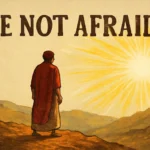
“Do not be afraid” appears throughout Scripture not as a denial of danger, but as a call to trust God’s presence within it.
When you read these passages, ask what kind of fear you are carrying. Are you afraid of losing control, being rejected, failing, suffering, or facing something alone? The answer can guide you toward a more specific prayer and a more relevant passage.
How to use scared Bible verses without ignoring real problems
Reading Scripture can change your perspective, but it should not be used to silence honest emotion or pressure you into pretending everything is fine. The Bible contains prayers of fear, grief, confusion, and anger. Psalm 13, for example, shows a person asking how long suffering will continue before moving toward renewed trust. That pattern gives you permission to speak truthfully to God.
Faith and practical action belong together. If you are scared because of financial trouble, pray while making a budget and seeking qualified advice. If you are afraid because of an abusive relationship, pray while contacting a domestic violence organization and making a safety plan. If you are worried about your health, pray while consulting a medical professional.
James 1:5: Ask God for wisdom when you do not know what to do.
Proverbs 11:14: Recognize the value of wise counsel and trustworthy guidance.
Galatians 6:2: Allow other people to help carry heavy burdens.
Romans 12:15: Make room for honest grief rather than hiding it.
Psalm 32:8: Seek God’s instruction and direction for the road ahead.
You may also create a small list of verses for recurring fears. Keep the references in a notebook or on a card, and group them by need: fear of danger, fear about the future, grief, loneliness, and the need for wisdom. Add a sentence beside each reference describing why it helps you. This makes it easier to find the right passage when your mind is overloaded.
A simple daily practice for fear and faith
Set aside five to ten quiet minutes at a consistent time. Read one passage, write down the fear that is most present, and answer three questions: What does this passage show about God? What response does it invite from me? What practical step can I take today?
End by praying for the people and responsibilities connected to your fear. Gratitude can be included, but it should not be forced. Even a brief prayer such as “God, I am scared; help me stay present and choose wisely” is a sincere beginning.
If fear remains intense for weeks, disrupts sleep, causes repeated panic, or leads to thoughts of harming yourself, reach out promptly for professional help. In the United States, call or text 988 for the Suicide and Crisis Lifeline if you are in emotional distress or need crisis support. A pastor, counselor, doctor, or trusted friend can also help you find appropriate care.
The most comforting scared verses in the Bible do not require you to deny what you feel. They point you toward a God who is present in trouble, a Savior who offers peace, and a community that can help you endure. Read one passage slowly, tell the truth about your fear, and take the next safe and wise step.
Frequently asked questions
What is the best Bible verse to read when you are scared?
Psalm 56:3 is a concise choice because it directly addresses the experience of fear and redirects your attention toward trust in God. Psalm 23, Isaiah 41:10, and John 14:27 are also helpful when you need reassurance about God’s presence, strength, or peace. Choose the passage that most closely matches the situation you are facing.
Does the Bible say Christians should never feel afraid?
No. Many biblical prayers openly describe fear, grief, danger, and uncertainty. The biblical invitation is not to pretend fear is absent, but to bring it to God and refuse to let it govern every decision. Courage can mean asking for help, acting wisely, and continuing faithfully while you still feel afraid.
What should I pray when I feel scared?
Use simple, honest words. You might say, “God, I am afraid of what may happen. Please stay near, give me wisdom, and help me take the next safe step.” You can also name the specific fear, ask for peace and protection, and request support from people who can help with the situation.
Can Bible verses replace therapy or medical care for anxiety?
Bible verses can provide spiritual comfort and help you develop a grounded response to fear, but they should not replace professional care. Persistent anxiety, panic symptoms, trauma responses, or thoughts of self-harm deserve prompt attention from a qualified clinician. Prayer and treatment can be used together as part of responsible care.
















Leave a Reply