Communion Message: Inspiring Quotes, Reflections, and Shareable Moments
The act of sharing Communion Message is more than a moment in a service; it is an invitation to remember, reflect, and respond. In churches around the world, the term communion message or Eucharistic message carries a purpose: to guide hearts toward gratitude, to remind communities of unity, and to encourage living out faith in daily acts of love. This article explores inspiring quotes, reflections, and shareable moments that can enrich sermons, devotional times, family conversations, and online posts. Whether you are preparing a formal sermon, a simple family devotion, or a social media post that invites others into the sacred rhythm of remembrance, the material below offers thoughtful ideas, practical tips, and creative approaches to broaden the reach of the communion experience.
Understanding the Purpose of the Communion Message
A well-crafted communion message serves several interwoven purposes. First, it reminds participants of the biblical foundations of the practice, notably the words Jesus spoke at the Last Supper and the repeated call to remember his sacrifice. Second, it translates these timeless truths into present-day life—encouraging believers to live in humility, gratitude, and service. Third, it creates space for communal participation, inviting people to respond not only in thought but in deed—through reconciliation, generosity, and solidarity with the marginalized. In this sense, there are multiple angles from which we can approach the message of communion, each with its own strengths and audience.
When you think about the different forms the communion message can take, you may hear terms such as the Eucharistic meditation, the Lord’s Supper reflection, or the bread-and-wine contemplation. All of these variants share a common core: a sacred invitation to pause, remember, and reorient one’s life around the grace made evident in the cross and in the fellowship of believers. In a diverse church setting, a strong communion reflection will honor tradition while making room for personal testimony, communal prayer, and concrete acts of love that follow the meal.
Inspiring Quotes for the Communion Message
Quotes can crystallize a complex idea, offering a memorable thread that listeners can carry into their week. Below is a collection of inspiring quotes that can anchor a communion message, a shared moment, or a devotional meditation. Each quote is followed by a brief note on how it can be used, so you can adapt it for different audiences or settings.
“Do this in remembrance of me.”
— Luke 22:19
Usage: A classic opening line for an address on remembrance. It can lead to a meditation on gratitude and the continuity of faith across generations.
“This is my body, given for you; do this in remembrance of me.”
— Luke 22:19 (alternatively phrased from the Gospel of Luke)
Usage: Emphasizes the self-giving love at the heart of the practice and invites reflection on personal response to grace.
“Let us proclaim the Lord’s death until he comes.”
— 1 Corinthians 11:26
Usage: Used to connect the ongoing significance of the sacrifice to daily living and hopeful expectation for the future.
“In eating this bread and drinking this cup, we proclaim the Lord’s death and celebrate his life.”
Usage: Connects the sacrament with daily acts of service, social justice, and neighbor love.
“Remembrance is not nostalgia; it is a renewed covenant with living grace.”
— Modern devotional line
Usage: Useful for a reflective moment that transitions into hopeful action.
Beyond these quotes, consider weaving in brief lines from the congregation itself. A moment of shared memory or a short testimony about how grace has shaped someone’s week can turn a formal quotation into a living invitation. For online or printed materials, you can pair a quote with an artful image or a simple graphic that emphasizes the key term you want readers to remember, such as remembrance, unity, or grace.
Reflections on the Communion Experience
Reflections on the communion experience are an essential part of deepening understanding and sustaining transformation. The following reflections offer practical prompts you can use in a sermon, a small group, or a personal devotional to keep the focus on meaning, rather than on ritual routine alone.
Remembrance as Encounter
A powerful remembrance meditation invites participants to name specific moments of grace from the past week or month. Instead of a generic nod to history, invite people to recall acts of kindness they have witnessed or participated in—then connect those moments to the sacrifice celebrated in the meal. This makes remembrance concrete and relevant.
Humility and Gratitude
The table is often a place where self-importance loosens its grip and gratitude expands. A simple practice is to invite everyone to offer a brief line of gratitude—three words, a sentence, or even a whispered prayer—focusing on God’s provision, mercy, or companionship. When humility becomes a daily rhythm, the communion message becomes a living discipline rather than a one-time moment.
Unity in Diversity
Communities are diverse in language, age, culture, and life experience. The Eucharistic message can celebrate difference as a strength that strengthens the body of Christ. Reflection prompts might include questions such as: How does our shared meal invite us to practice hospitality with the stranger? In what ways can we bridge divides through acts of neighbor-love in the week ahead?
Hope, Not Guilt
A thoughtful communion reflection should not induce guilt but invite hopeful accountability. The idea is to consider what it means to live in light of grace—how forgiveness invites new patterns of life, how mercy compels courageous acts of mercy, and how the church can embody a hopeful, just presence in the world.
Crafting a Communion Message: Structure and Style
Whether you are speaking to a large congregation, teaching a youth group, or leading a family devotional, a clear structure helps the communion message land with impact. The following approach provides a flexible framework you can adapt for the Lord’s Supper meditation, the bread-and-wine reflection, or any of the other variations of the communion message.
Opening moment: Start with a brief, compelling image or question that invites attention. Examples include a sensory scene (the scent of bread, the sound of cups) or a universal need (the ache for connection).
Scriptural anchor: Ground your words in a brief Scripture passage or a set of verses. This anchors the talk in Scripture and provides a common reference point for all listeners.
Core message: Present 2–4 core ideas linked to remembrance, grace, unity, and mission. Each idea can be explored through a short story, a personal vignette, or a contemporary illustration.
Practical application: Translate the message into concrete actions for the week ahead—acts of service, reconciling conversations, or moments of generosity.
Invitation to response: Close with an invitation—perhaps to participate in the meal, to reaffirm a promise of reconciliation, or to commit to a specific acts of love.
When composing a communion reflection, keep the tone in mind: reverent, hopeful, and inclusive. Include variations for different audiences by offering a short, accessible version for children or new believers, alongside a deeper reflection for seasoned members. The key is to avoid fatigue; vary pacing, use pauses, and include moments for silent reflection or prayer.
Shareable Moments: Extending the Message Beyond the Service
In today’s connected world, the impact of a shareable moment often extends beyond the walls of the sanctuary. A well-crafted communion moment can catalyze conversation, inspire acts of kindness, and seed further reflection in families and communities. Here are practical ideas to translate the sacred moment into digital and tangible outreach.
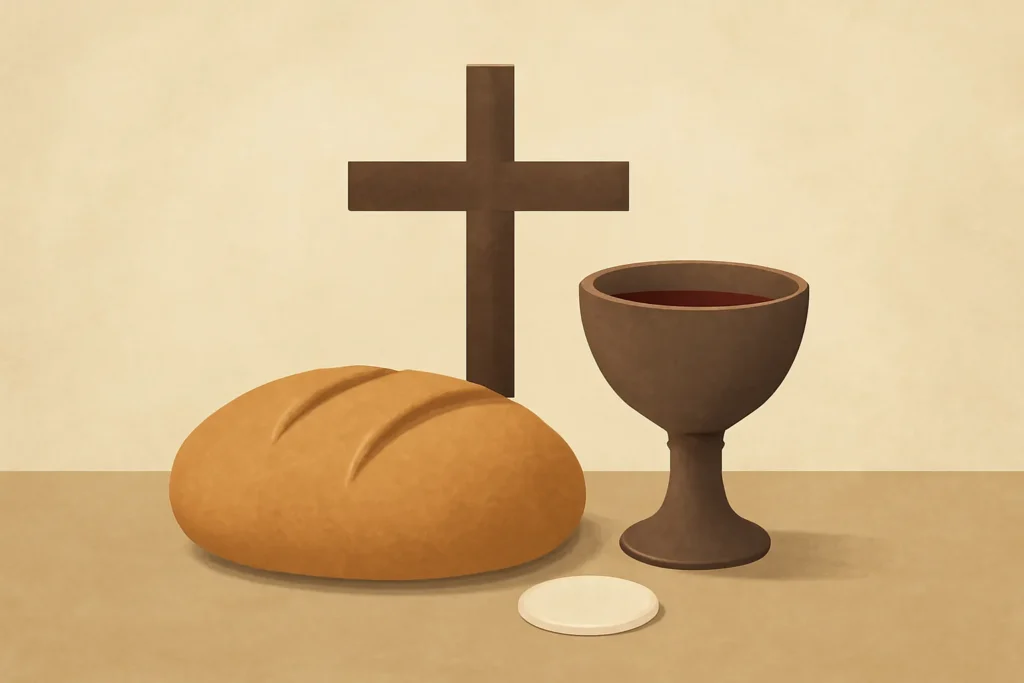
Social media captions: Create short, quotable lines tied to the Communion Message that can accompany a photo of the table, a cross, or hands joined in prayer. Examples include “Remembering grace, living grace” or “At the table, we are one.”
Printable devotionals: Design a one-page printable with a chosen quote, a short reflection, and a simple action. Families, small groups, and congregational meetings can print and share these devotionals during the week.
Caption ideas for photos: Suggestions like “A table of mercy” or “Bread, cup, and the bonds of love” help readers connect imagery with the message.
Graphic art and typography: Use bold keywords such as remembrance, grace, unity, and service to create visually striking posts or slides for online services.
Video snippets: Short clips featuring a single line from the message, or a quick testimony of transformation, can be highly shareable across platforms.
Family devotion prompts: Provide a simple family activity—reading a verse, sharing one thing for which each member is grateful, and performing a small act of service together.
Small group studies: Develop a 4–6 week series centered on the Eucharist as a catalyst for justice, reconciliation, and mission.
For each shareable moment, consider the audience and the medium. In print or on a screen, keep language clear and inclusive. When posting online, include a brief invitation to engage—e.g., “Share a moment of grace you experienced this week,” or “Tag someone you want to bless today.” The goal is not to replace the sacred physical act but to extend its grace into everyday life.
Variations of the Communion Message
There is power in presenting a range of approaches to the communion message, especially when addressing diverse groups. Below are several variations of the communion message you can adapt to different settings, seasons, or themes. Each variant maintains the core meaning of the practice while emphasizing different aspects of the faith journey.
The Eucharistic Meditation
The Eucharistic meditation focuses on silence, contemplation, and personal encounter with God. It invites listeners to slow down, breathe, and listen for God’s voice amid the symbols of bread and cup. Use reflective music, a candle-lit table, or a sensory prompt (soft scent of bread, warmth of the cup) to set a contemplative mood. In this variation, the communication of grace becomes a quiet invitation to rest in God’s presence and to listen for how grace desires to shape the week ahead.
The Communal Call to Unity
The communional call to unity centers on reconciliation, hospitality, and shared mission. It emphasizes the church as a diverse body unified by Christ. This approach works well in multiethnic or multi-generational congregations, where the message honors differences while celebrating common identity in the gospel. Practical elements include a guided moment of reconciliation, a reading that highlights unity, and a corporate action—like a shared blessing or a communal prayer for neighbors in need.
The Reconciliatory Theme: Grace and Welcome
A reconciliatory variation leans into forgiveness and welcome—the idea that the table is open to all who seek grace. This version can include a brief testimony from someone who found a place of acceptance at the table, followed by a collective prayer for healing within families, neighborhoods, and the wider world. Emphasize practical steps to extend grace beyond the walls of the church, such as inviting a neighbor to share a meal or participating in a community service project.
The Mission-Focused Message: Living the Sacrament
The mission-focused message invites believers to translate the sacrament into action. It connects the meal with acts of mercy, advocacy for the vulnerable, and tangible expressions of love in daily life. In this variation, you might include a brief exhortation to a specific act—serving at a shelter, donating to a relief fund, or mentoring someone in need—and then encourage the community to embody the meal’s grace in concrete ways.
The Child-Friendly Approach
When addressing children or families with younger participants, adapt the language and pace. A child-friendly communion message uses simple, concrete images—bread as a gift, juice as a sign of friendship, the table as a big, welcoming family table. Short stories, visuals, and interactive moments (like passing the plate together) can help younger listeners connect the meaning to their everyday experiences.
Practical Tips for Delivering a Communion Message Across Contexts
Whether you are preaching to a crowded sanctuary, leading a small group, or guiding a family devotional, these practical tips help you deliver a meaningful communion message.
Know your audience: Consider age, cultural background, and spiritual maturity. Adapt language and examples accordingly to ensure accessibility and relevance.
Anchor in Scripture: Begin with a brief, clear Scriptural focus to ground your words in the biblical narrative of the Last Supper and its ongoing significance.
Balance reverence and relatability: Maintain a sense of sacredness while using stories, imagery, and everyday language that resonate with daily life.
Keep it concise: A well-timed communion meditation may last between 3 and 7 minutes in a typical church setting. Allow space for silence, prayer, or reflection at key points.
Incorporate participation: Invite the congregation to respond with a brief act—such as a kneeling prayer, a spoken blessing, or a shared moment of remembrance.
Offer multiple entry points: Provide a short version for newcomers and a richer version for long-time members to honor both comfort and spiritual depth.
Plan for online and print formats: In digital contexts, include a short caption, a single quote, and a link to a longer reflection for those who want more.
Be sensitive to tradition: Different churches have varied liturgical practices around the collection, distribution, and language used during communion. Adapt respectfully to your tradition.
Finish with a hopeful invitation: Close with a forward-looking note—how grace empowers acts of love, reconciliation, and service in the week ahead.
Conclusion: Living the Communion Message Daily
A meaningful Communion Message is not only a moment of recognition at the table; it is a daily invitation to live by grace. When a service ends, the real test begins: how does the remembrance of Christ’s sacrifice shape our attitudes toward others, how we speak, how we give, and how we show up in our homes, workplaces, and communities? The inspiring quotes and reflections shared here are meant to be springboards—tools you can use to craft messages that are both faithful and fresh, enduring in truth and alive with imagination.
Remember that the shareable moments of the communion experience—whether through a simple social media caption, a family devotion, or a community service project—can carry the aroma of grace far beyond the church walls. The Eucharistic message is more than words; it is a call to hospitality, a summons to mercy, and a roadmap to live out the mystery of faith in tangible ways. May your next communion moment be a doorway to deeper connection, stronger unity, and more generous living.
If you are preparing content for a church bulletin, a sermon, or an online devotional series, consider weaving together the following elements:
Opening image or question that invites attention
Scriptural anchor that centers the reflection
Two to four core ideas connected to remembrance, grace, unity, and mission
A practical application that listeners can implement in the week ahead
A brief invitation to participate in the meal or in a sustaining act of love
The goal is to help people encounter the message of communion as a living reality—one that shapes how they see themselves, how they relate to others, and how they respond to the world with grace. By blending inspiring quotes, thoughtful reflections, and intentional shareable moments, you can create a robust, multi-faceted communion message that resonates across generations and cultures.

















Leave a Reply