Christmas Carol Hymn: History, Lyrics, and Meaning
Christmas Carol Hymn: History, Lyrics, and Meaning
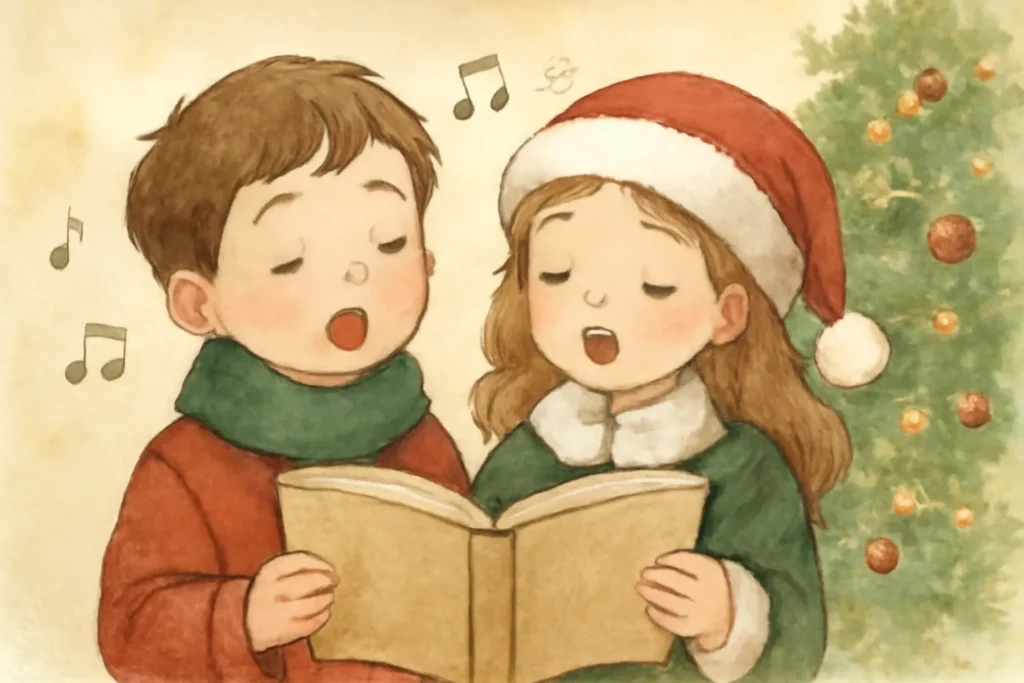
The term Christmas carol hymn can feel redundant, yet it captures a powerful idea: a seasonal song that accompanies Christmas worship, communal singing, and family gatherings. In ordinary language, people often say carol or hymn to describe a piece of sacred or festive music from the long arc of Christian musical tradition. In this article we explore the history of Christmas carols, the genre’s evolution, the meaning embedded in their texts, and the way they have traveled from medieval plainsong and village gatherings to modern concert halls and streaming playlists. We will use variations of the phrase Christmas carol hymn to reflect the breadth of the tradition—from public-domain medieval carols to the more formal English-language hymns that still carry the same celebratory and devotional intention.
Broadly speaking, a carol is a song that is linked to a particular festival or season and is often sung by groups, sometimes with dancing or processional elements. A hymn is a more formal devotional song that expresses faith or doctrine and is designed for congregational singing or liturgical use. A Christmas carol hymn can thus be thought of as a bridge between these two categories: a song rooted in the Christmas story, intended for communal singing, and capable of both joyful celebration and spiritual reflection. In many cultures, the same piece can function as a carol when sung in public spaces and as a hymn when sung within worship services. This flexibility helps explain why the tradition has endured for centuries.
Ancient and medieval origins: the seeds of a festive song tradition
The historical roots of Christmas carols lie in the broader practice of singing sacred texts during the liturgical year, especially around Christmastide. In the early Christian era, hymns and antiphons praising the Incarnation circulated in Latin and Greek. As vernacular languages gained prominence in worship and ceremony, congregations began to participate more directly in the singing, giving rise to shorter, memorable refrains that could travel beyond church walls.
The word carol itself has a fascinating etymology. It derives from the Old French term carole, which referred to a circle dance accompanied by songs. This image—people joining hands, forming a circle, and singing together—helps explain why carols thrived in communal spaces. In many medieval and early modern communities, carol-singing occurred not only in churches but around village wells, markets, and Christmas Eve vigils. The genre carried a sense of social bonding: it was as much a ritual of community as a form of piety.
In the Gothic and medieval periods, some carols existed as Latin or multilingual pieces performed by choirs and guilds. Over time, local traditions favored the vernacular, allowing more people to participate. This shift—from elite, formal Latin hymnody to participatory vernacular song—helped transmute the carol into a living tradition that could reflect local customs, dialects, and landscapes. In this sense, the Christmas carol hymn emerged as a flexible vessel for storytelling, praise, and seasonal cheer.
The English and German traditions: codification and revival
The transition from informal village songs to an organized repertoire occurred in a recognizably European context. In England, the olde English carol gradually became standardized into collections of four-part settings, often with refrain or chorus. The 15th through 17th centuries saw carols used in Christmas celebrations among communities, guilds, and church choirs, sometimes accompanied by instrumental music such as fiddle or lute. In this period, the lines between carol and hymn blurred: texts could be devotional, narrative, or simply celebratory, and melodies could be borrowed from or adapted to other songs.
In Germany and the broader German-speaking world, a parallel tradition flourished. German Weihnachtslieder—literally “Christmas songs”—often featured poignant melodies and poignant narratives about the Nativity, the shepherds, and the angels. The carols in these communities were sometimes performed at home, in workshops, or during public processions. Across these regions, carols served as a bridge between ritual, education, and entertainment, reinforcing communal identity around Christmas time.
The Victorian revival and the modern Christmas carol
The Victorian era in Britain marked a turning point in the public life of the Christmas carol. Editors, composers, and poets sought to harmonize medieval carols with contemporary church music and the broader popular culture. The revived interest in medieval and folk traditions helped to popularize carols written or adapted by 19th-century writers and hymnists. In parallel, the wooden pews of parish churches, the Christmas Eve carol service, and the seasonal concert became central to social life in towns and cities.
Two sets of dynamics shaped the modern Christmas carol repertoire. First, there was a revival of older tunes that had fallen out of daily use but were reintroduced with new arrangements. Second, composers and lyricists contributed entirely new works that nevertheless aimed to capture the spirit of Christmas—its tenderness, its joy, and its sense of hope. The result is a living library of carols and hymns that continues to expand as artists reinterpret familiar texts and write new ones for the festive season.
What makes a Christmas carol hymn distinct?
Musical traits and forms
Melodic characteristics of traditional Christmas carols often rely on singable, memorable tunes with clear cadences and a strong sense of cadence and repetition. Many carols use simple diatonic harmony, though elaborate arrangements exist in choral settings. A hymn aimed at worship may adopt a more formal musical structure, such as four-part SATB writing, with a focus on sustained notes and textual clarity for congregational singing. The carol hymn sits at an intersection where easy community participation meets a devotionally or narrative-driven text. It invites both children and adults to join in, sometimes with a refrain that unites the group in a shared moment of praise.
Lyric themes of traditional Christmas carols frequently center on the Nativity, angels, shepherds, and the manger, or they celebrate the broader Christmas season with scenes of light, peace, and goodwill. A classical hymn might emphasize theological doctrine—incarnation, atonement, grace—but many carols blend theology with narrative imagery and communal joy. The enduring authenticity of these pieces comes from their ability to convey a sense of wonder while remaining approachable for everyday singing.
Lyrical content and imagery
Across the repertoire, imagery such as stars, angels, manger, and Bethlehem recurs as a way to anchor the season in concrete symbols. Yet carols also broaden into social and moral themes—peace on earth, charity, hope for the future, and a sense of universal welcome. This combination of narrative, devotion, and communal exhortation is a hallmark of the Christmas carol hymn tradition and helps explain why these pieces endure beyond the season’s calendar.
Meaning and impact: why Christmas carol hymns endure
To understand the ongoing appeal of the Christmas carol hymn, it helps to consider how these songs function in a community. They are not just music to fill time; they form a shared language that conveys memory, belief, and belonging. In many cultural contexts, caroling is a social ritual that unlocks memories of family gatherings, church services, and neighborhood streets. The meaning embedded in these carols—whether overtly devotional or broadly celebratory—often speaks to a universal human experience: the desire for light in darkness, for connection, and for a moment of grace during the winter season.
In liturgical settings, the textual theology of a Christmas hymn helps worshippers orient the season. The nativity narratives, the promise of peace, and the proclamation of the coming King become a shared focus that binds a congregation across generations. The musical form supports memorability—a chorus that repeats, a melodic turn that invites a response—so that the message can travel beyond the church walls into homes, schools, and public life.
Beyond church walls, the carol habit has shaped national and regional identities. In many places, street corners, town squares, and markets become stages for public singing, with carols bridging languages and social backgrounds. This aspect of community music-making fosters social cohesion and a sense of seasonal solidarity. In the age of recordings and streaming, these songs have also found new audiences, allowing people who may not participate in formal worship to encounter the stories and beauty of Christmas through melody and imagery.
Accessibility: Many Christmas carols are in simple keys and straightforward rhythms, enabling singers of varied skill levels to participate.
Durability: A well-crafted tune paired with a meaningful text can endure for generations, often entering the public domain and enabling further tradition-building.
Adaptability: Carols can be arranged for choirs, solo voice, children’s ensembles, brass bands, or full orchestras, expanding their reach across contexts.
Educational value: The texts offer a window into historical religious beliefs, cultural customs, and the evolution of language.
Spiritual resonance: For many, carols are not merely songs; they are occasions for reflection, gratitude, and communal hope.
Famous Christmas carols and hymns: a survey of the repertoire
Within the Christmas carol hymn tradition, certain pieces have achieved a status that makes them recognizable in almost every culture that observes the holiday. The following selection highlights how diverse a carol collection can be, ranging from medieval-influenced tunes to nineteenth-century revival works, all of which share a common task: to carry listeners into the Christmas story and its broader meanings.
Joy to the World – a jubilant declaration of the Lord’s arrival that has become a staple of both worship and public celebration.
Silent Night – a serene, contemplative carol that invites quiet reverence in a candlelit setting.
O Come, All Ye Faithful – a call to worship and to joyful procession toward the manger.
Hark! The Herald Angels Sing – a proclamation of angelic praise and the incarnation as “Glory to the newborn King.”
The First Noel – a narrative carol that follows the shepherds and the star, connecting geography with faith.
O Little Town of Bethlehem – a reflective meditation on Bethlehem as a place of divine encounter.
Lyrics: brief excerpts from public-domain carols
To illustrate the lyrics and the artistry of this tradition, here are brief excerpts drawn from carols that are in the public domain. These snippets are provided to help readers sense the mood and language of classic Christmas hymns and carols. Short excerpts are used here in recognition of copyright rules around longer passages, and all examples below are widely known as public-domain works.
Joy to the world, the Lord is come! Let Earth receive her King; Let every heart prepare Him room, And Heaven and nature sing.
Silent night, holy night, All is calm, all is bright, Round yon Virgin Mother and Child, Holy Infant so tender and mild.
O come, all ye faithful, joyful and triumphant, O come ye, O come ye to Bethlehem. Come and behold Him, born the King of Angels.
Hark! The herald angels sing, “Glory to the newborn King; Peace on earth, and mercy mild, God and sinners reconciled.”
These lines provide a glimpse into how the texts weave narrative, proclamation, and praise. While each carol uses its own imagery and cadence, the overarching intention remains the same: to invite listeners into mystery, wonder, and a sense of shared joy. In practice, many choirs and congregations pair these lyrics with lush or intimate musical arrangements to suit the setting, whether it’s a crowded parish church on Christmas Eve or a quiet family gathering on Christmas morning.
Meaning in practice: how the carol hymn informs belief and practice
The enduring appeal of the Christmas carol hymn lies in its capacity to carry meaning across time and space. For some listeners, the carols evoke memories of childhood, family tradition, or community celebrations. For others, the texts offer theological contemplation about the mystery of the Incarnation, the hope of peace on earth, or the call to charity and compassion during the Christmas season.
Three threads often guide the meaning of the carol tradition in contemporary practice:
The Nativity narrative: Many carols retell or allude to the biblical accounts of Jesus’ birth, emphasizing the humble circumstances of the manger and the heralding of a savior. This focus anchors the season in a story that has resonated for centuries and invites people to consider the significance of the Incarnation in their own lives.
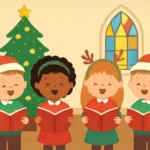
Communal belonging: Singing together builds a sense of belonging and shared identity. The group voice of a choir, a Sunday congregation, or a neighborhood carol procession creates a sense of solidarity that outlasts the moment of performance.
Hope and moral vision: Beyond the Nativity narrative, many carols articulate a vision of peace, generosity, and care for the vulnerable. These themes remain strikingly relevant as societies navigate hardship, conflict, and inequality, reminding listeners of the ethical call that Christmas can symbolize.
How to engage with the Christmas carol hymn tradition today
Whether you are a musician, a church leader, a music educator, or a curious reader, there are several pathways to engage with the carol hymn tradition in ways that honor its history while allowing room for contemporary interpretation.
Explore the repertoire: Start with a few well-known pieces and move outward to regional carols and translations. This approach reveals how the same themes emerge across cultures and languages.
Study the lyrics: Analyzing the imagery, theological implications, and storytelling techniques helps deepen appreciation and enables thoughtful performance.
Experiment with arrangement: For choirs, schools, or community groups, arranging familiar carols for different voices or instruments can bring new color while preserving the core message.
Reflect on the meaning: Use carols as prompts for discussion, introspection, or charitable action during the season, keeping the focus on both wonder and ethical impulse.
Respect the sources: When performing or sharing carols, consider issues of language, cultural origins, and the historical context of each piece. Acknowledging these aspects strengthens the integrity of the performance and its educational value.
In a digital age, the Christmas carol hymn continues to evolve. New arrangements, arrangements by contemporary composers, and new carols written in living languages keep the tradition dynamic. Yet the core experience remains deeply communal: a shared moment when voices rise together to tell, in song, a story that many people hold dear. The performance of a carol can be a bridge between generations, a way to pass on memory, and a invitation to reflect on the values at the heart of the Christmas celebration.
Related questions and themes
As you explore this topic further, you may encounter questions such as:
What distinguishes a carol from a hymn in practice, and where do the two categories overlap?
How did the Victorian revival shape the modern Christmas carol repertoire?
What role do translations and cultural adaptations play in expanding the carol tradition?
How can communities preserve the integrity of traditional carols while making them accessible to new audiences?
Answering these questions helps illuminate why the Christmas carol hymn endures as both art and invitation—an invitation to celebrate wonder, to reflect on meaning, and to join in song with neighbors near and far.
A closing reflection on the enduring power of carols and hymns
From the Latin chants of distant centuries to the vernacular hymns sung in today’s congregations, the Christmas carol hymn tradition demonstrates how music can hold history while remaining flexible enough to welcome new voices. Its history is not a straight line but a tapestry: medieval melodies braided with revival movements, regional songs awakening in local churches, and contemporary arrangements that adapt for choirs, schools, families, and online communities. The meanings embedded in these works—hope, peace, mercy, and shared joy—remain as relevant now as ever, offering a sonic portrait of a season that invites us to listen, to join, and to imagine a world knit together by music, memory, and faith.
For readers and listeners, engaging with the Christmas carol hymn tradition offers a comprehensive encounter with how sacred music travels through time. It invites us to consider not only what the carols say but also how they do it: through rhythm that invites movement, melodies that stay with us, and words that lodge in memory. Whether you encounter a carol at a candlelit service, in a classroom, at a community sing-along, or through a streaming playlist, you are participating in a long lineage of people who have sought to express the mystery and joy of Christmas through song. This is the enduring gift of the Christmas carol hymn: a cultural and spiritual practice that continues to resonate across generations, continents, and languages.