Christ Returning: Key Signs and What It Means for Believers
Christ Returning: Key Signs and What It Means for Believers
The topic of Christ returning has inspired centuries of study, worship, debate, and hopeful anticipation. In Christian thought, the idea of the second coming—also described as the Lord’s return, Jesus coming again, or the Parousia—is not only a future event on a timetable but a theological hinge that shapes worship, ethics, and mission today. This article offers an in-depth overview of Christ’s return by examining biblical foundations, key signs, diverse theological perspectives, and practical implications for believers who live in hopeful expectation while pursuing faithful living in the present era.
When Christians talk about the coming of the Messiah, they often intend more than a single moment in history. The idea of Christ returning communicates a climactic act in which God fulfills promises, vindicates the righteous, and establishes a renewed creation. This event is described in various expressions across Scripture, including the second advent, the return of Jesus, and the anticipated parousia (the Greek term for a presence that is both visible and authoritative).
Readers should recognize that beliefs about the imminent return can vary widely among Christians. Some traditions emphasize a near-term expectation tied to current events, while others emphasize a symbolic or extended period in which the church grows in holiness and mission before the consummation. Despite these differences, most Christian communities agree on several core convictions: Jesus will come again, the event will be visible to all, and it will usher in a new era of justice, peace, and universal worship.
Hopeful expectation: The return of Christ motivates perseverance, prayer, and ethical conduct.
Judgment and vindication: The Parousia involves both reward for the faithful and accountability for all.
Cosmic renewal: The consummation includes the defeat of death, sin, and evil and the renewal of creation.
Mission and witness: Believers are called to proclaim the gospel and live as witnesses in a broken world.
Foundations in Scripture
New Testament foundations
For many Christians, the primary source for understanding the coming of Christ is the New Testament, where several passages describe the event with varying emphasis but consistent core expectations. The sacramental, prophetic, and apocalyptic strands each give texture to a single, transformative event.
Matthew 24–25: Jesus speaks about the signs of the end of the age, the watchfulness required of disciples, and the final judgment at the end of the age. This material highlights readiness, faithfulness, and discernment amid deception and trials.
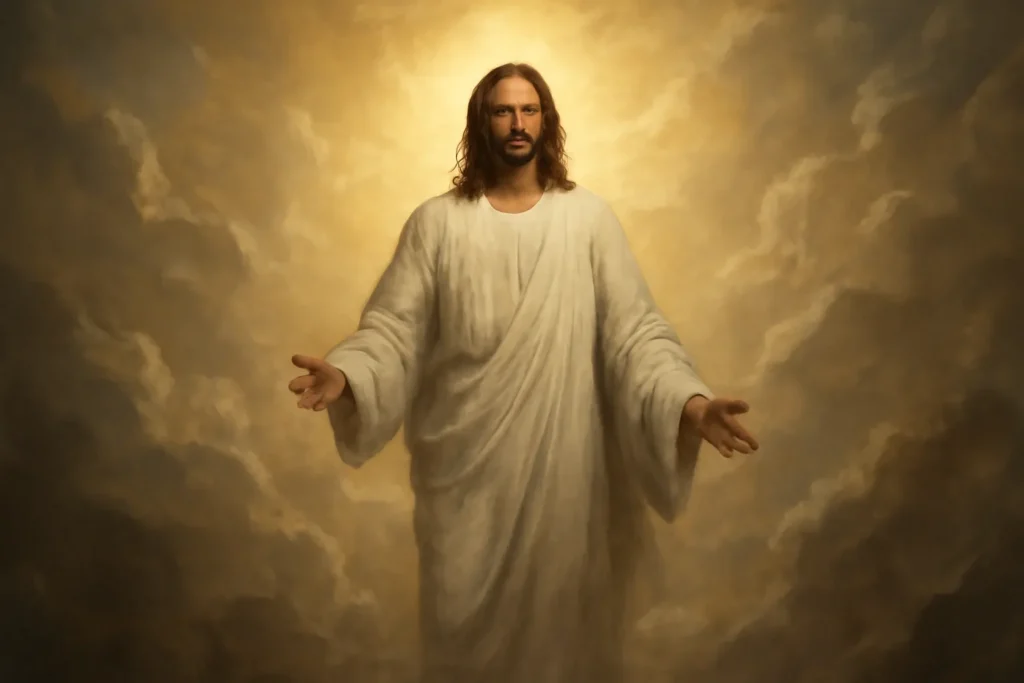
Acts 1:11: After Jesus’ ascension, angels tell the disciples that he will return in the same way they saw him go, anchoring the expectation of visible return.
1 Thessalonians 4:13–18 and 1 Thessalonians 5: Paul describes the reunion of believers with Christ, the blowing of the trumpet, and the day of the Lord as a time of both consolation and vigilance.
2 Thessalonians 2: Paul addresses misunderstandings about the timing of the coming and emphasizes the need for steadfastness amid confusion and false teaching.
Revelation and related Johannine writings: Apocalyptic language portrays the ultimate defeat of evil, the triumph of God, and the establishment of a new heaven and new earth, with Christ at the center of the cosmic drama.
Terms and concepts to note
Across the tradition, several terms recur in relation to the Messiah’s coming, each contributing a distinct emphasis to the belief system. These terms include parousia, the day of the Lord, the kingdom of God, and the new creation. While theologians disagree on exact sequencing and chronology, they often share a conviction that the event will reveal God’s purposes in history and inaugurate a transformed order.
Over the centuries, church creeds and confessions have articulated the belief in Christ’s return as a non-negotiable element of faith. Even when calendars and timelines differed, the consensus held that the Lord’s return is certain, that it will be a public, personal event, and that it will accomplish God’s redemptive plan for humanity and creation.
Key Signs and Events to Watch
Christian eschatology often groups the signs of Christ's return into categories: cosmic/signs in nature, geopolitical and social developments, religious deception, and the proclamation of the gospel to all nations. Different traditions emphasize different signs, yet many agree that a combination of these patterns will intensify in the period preceding the Parousia.
Core biblical signs
Natural disasters and cosmic disturbances: Earthquakes, famines, storms, and unusual signs in the heavens are described as indicators in several NT passages.
Gospel preached to all nations: A prominent motif is the worldwide proclamation of the gospel, which some interpret as a sign of the imminence of Christ’s return.
Increasing deception and false messiahs: Jesus warns that many will come in his name and mislead people, underscoring the need for discernment.
Persecution and faithful endurance: The faithful are called to persevere under pressure, often with the promise of ultimate vindication.
Israel and the peoples: For some traditions, the restoration of Israel and the involvement of the nations in God’s plan are significant heralds of the end times.
Signs that are interpreted differently across traditions
Antichrist and impostors: The figure(s) described in various passages are understood differently; some view them as political powers, others as charismatic leaders, and some as symbolic representations of systemic evil.
Temple and worship: In some streams, the rebuilding of the Temple or changes in religious practice are considered relevant to end-time scenarios; others stress a more symbolic temple—the church as the people of God.
Global peace and conflict: Some traditions expect a period of rapid political change or uneasy peace that collapses under severe testing.
How to interpret signs responsibly
Hermeneutical humility: Recognize the limits of human chronology and avoid dogmatic forecasts about exact dates or times.
pastoral focus: Signs should nurture holiness, charity, and hopeful action rather than fear or sensationalism.
ecclesial discernment: Communities should test interpretations against Scripture, tradition, and the guidance of trustworthy teachers.
While the precise sequence and immediacy of signs remain debated, the overarching message remains clear: the coming of Christ is not merely a forecast; it is a summons to steadfast faith, moral integrity, and a life of mission that reflects the values of the kingdom of God.
Theological Perspectives on When and How
Christian theologians have offered a range of frameworks to understand the Lord’s return. These views are often grouped into broad categories that attempt to harmonize biblical data with historical circumstances. The following overview is not exhaustive, but it highlights major strands that shape preaching, teaching, and devotional life across traditions.
Historic Premillennialism
In this view, Christ’s return will occur before the millennium—a literal thousand-year reign of peace on earth following a visible return. Advocates typically anticipate a period of intensified tribulation, a visible return to judge the world, and then a thousand-year era of Christ’s reign in which the faithful participate in governance and restoration. This framework tends to emphasize a literal interpretation of prophetic timelines and a future, physical restoration of creation.
Amillennialism
Amillennialists typically interpret the millennium symbolically rather than as a literal future thousand-year reign on earth. They often see the return of Christ as a climactic, single event that ends the current age, defeats evil, and inaugurates the new creation. The church’s mission, suffering, and growth in the present age are understood as the fulfillments of God’s promises in a spiritual sense, with the kingdom present in the church and progressively realized in history through the Spirit.
Postmillennialism
Postmillennialists anticipate a dominant era of gospel advance and societal transformation brought about by Christian influence, culminating in Christ’s return after a golden age of righteousness. In this view, the world grows in justice and peace as the gospel bears fruit, and the second coming arrives at the culmination of that era rather than before it.
Among contemporary readers, many adherents lean into dispensationalist or futurist interpretations that map prophecy onto distinct future events (such as a rapture, tribulation, and a sequence of judgments) surrounding the imminent return. They often emphasize a precursory rapture for the faithful and a later, visible engagement of Christ with the world. Other Christians reject or modify these schemes, choosing a more metaphorical or non-literal approach to the end times while maintaining belief in a future, personal return of Jesus.
Prophetic realism and covenant-centered readings
Some scholars and pastors prefer to anchor eschatology in covenants and God’s overarching redemptive plan, emphasizing ethical living and communal justice as the proper response to the coming of the Messiah. In these perspectives, the exact chronology is secondary to the obedience, mercy, and mission mandated by faith in Christ.
What It Means for Believers Today
Believers are called not only to study and speculate about Jesus’ return but to live in light of it. The anticipation of the coming of the Lord should shape daily choices, priorities, and relationships. The following themes highlight practical implications that span traditions and communities.
Living with readiness
Spiritual watchfulness: Maintain ongoing prayer, repentance, and vigilance against moral compromise.
Character formation: Seek holiness, humility, love, and integrity as markers of a life aligned with the coming kingdom.
Hope amid suffering: Allow suffering to deepen trust in God rather than produce cynicism or despair.
Ethical and communal implications
Justice and mercy: The anticipation of God’s righteous rule should energize work for justice, care for the vulnerable, and stewardship of creation.
Unity in diversity: The church is called to embody unity across differences while maintaining fidelity to the core message of the gospel.
Mission and evangelism: Believers are urged to proclaim the good news, nurture disciples, and model love as witnesses to a hopeful, transformative future.
Pastoral care and consolation
Pastoral consolation: The promise of Christ’s return brings comfort to those who mourn or face hardship, affirming that suffering is not the final word.
Care for the vulnerable: The eschatological horizon should sharpen compassion for the marginalized, hungry, and sick, reflecting the values of the coming age.
Hopeful realism: Believers should balance realistic engagement with the world’s needs while remaining confident in God’s ultimate plan.
Living as a Community of Hope
Across Christian communities, the expectation of Christ returning fosters a shared identity as pilgrims and witnesses. This spiritual orientation shapes worship, discipleship, and service. The church’s life becomes a living counter-narrative to despair, pointing toward a future in which God’s justice and peace prevail.
Worship and liturgy: Worship that centers on Christ’s lordship helps believers order their loves toward the coming kingdom.
Discipleship pathways: Theological education, spiritual disciplines, and meaningful mentorship prepare believers to live with prophetic imagination and practical compassion.
Community and mercy: Local church communities embody the values of the kingdom by feeding the hungry, welcoming strangers, and defending the vulnerable.
In this light, the doctrine of the coming of the Messiah becomes not only a future event but a present reality that calls for transformation in individuals and societies alike.
Common Questions About the Return of Christ
Is a specific date possible to determine?
Most Christian traditions caution against predicting exact dates or timelines. While Scripture contains warnings against day-specific predictions, it also urges believers to be vigilant and ready. The general stance is to focus on faithful living rather than fixating on chronology.
Will believers experience a rapture?
The idea of a rapture appears in some readings, particularly within certain futurist frameworks. Others interpret Paul’s instructions about being gathered to Christ as part of the same final event experienced by all followers of Jesus. Interpretations vary widely, but all orthodox traditions agree on the reality of Christ’s eventual return and the resurrection of the dead.
Different frameworks offer different sequences. Some emphasize a rapture followed by tribulation, then Christ’s return with judgment and the establishment of the millennial reign (in premillennialism). Others see a single return that marks the end of the present age and the inauguration of the new creation (amillennialism), with no precise timetable. The most important consensus remains that the final event is Christ’s return in glory, bringing vindication, justice, and renewal.
What should believers do today?
Regardless of the exact sequence, the practical implications are consistent: live faithfully, pursue holiness, engage in mission, care for others, and cultivate hope grounded in the promise that God will set all things right. This ethic flows from the conviction that the Son of God is returning to make all things new.
What Different Traditions Emphasize About the Return
Across church history and among contemporary churches, the emphasis on the coming of Christ reflects unique theological heritages and pastoral needs. Some communities stress the imminent, personal return of Jesus as a certainty that shapes crisis response and worship, while others underscore the long arc of God’s redemptive plan, inviting steady hope and patient endurance.
Traditional evangelical: Emphasizes a personal, visible return, often linked to end-time scenarios and the necessity of repentance and evangelism.
Catholic and Anglican: Emphasizes the unity of creation’s renewal, the resurrection of the dead, and the cosmic scope of redemption, with liturgical seasons that anticipate Christ’s return within the narrative of salvation history.
Orthodox: Focuses on theosis, the transformation of persons and creation, and the kingdom as present in the church’s life and sacramental praxis, with a reverent anticipation of the Parousia.
Pentecostal and charismatic: Often highlights the Holy Spirit’s role in empowering faithful witness and signs of the age, while maintaining hope in a future, personal return of Jesus.
Marginal or reformational voices: Emphasize social justice, mercy, and stewardship as integral to the Christian life while still affirming the eventual return of Christ.
In every tradition, the conviction that Christ returning will inaugurate God’s just and merciful reign remains a core source of hope. The exact chronology may be debated, but the call to live with integrity, love, and courage persists. The second coming is not a ticket to fear but a summons to faithfulness in the present age—a time to worship, to serve, to bear witness, and to work toward a world aligned with the values of the coming kingdom. As believers study the Scriptures, listen to sound teaching, and engage in acts of mercy, they participate in the ongoing drama of redemptive history, awaiting the day when the Lord sẽ return in glory to judge the living and the dead, to renew creation, and to establish a new order where every tear is wiped away.
Ultimately, the hope of Christ’s return invites a life defined by love, justice, and faithful endurance. It challenges cynicism and despair by pointing to a future in which God’s sovereignty will be visible to all. Whether one approaches the end times through a literal timeline, a symbolic interpretation, or a covenant-centered understanding, the enduring message remains the same: Jesus is coming again, and the world is called to respond with faith, mercy, and mission today.











Leave a Reply