Introduction: Why Psalm 23 matters in Catholic prayer and devotion
Among the most beloved prayers in the Catholic tradition, Psalm 23 stands as a compact classroom in trust, consolation, and steadfast reliance on God. Its pastoral imagery—shepherd, green pastures, still waters—speaks with particular immediacy to the Catholic faithful who seek a prayer that accompanies them through daily life, illness, loss, and grief. This article explores the Catholic versions of Psalm 23, the varieties used in Catholic liturgy and private devotion, and practical ways to use this psalm for prayer and reflection.
The psalm’s enduring appeal lies in its clarity: God acts as a loving guide, a protector in danger, and a source of abundant mercy. For Catholics, the psalm is not only a text to be recited but a living invitation to trust in God’s providence, to rest in divine care, and to acknowledge that goodness and mercy accompany the believer “all the days of life.” In addition to the familiar English rendering, Catholics often contrast several well-known translations to deepen understanding and personal prayer. This article will present those variations, explain their theological nuance, and offer practical ways to use them in personal devotion and communal worship.
What is Psalm 23? Its place in Catholic tradition
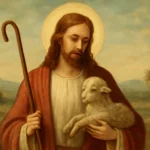
Psalm 23 is attributed to King David and is part of the Book of Psalms, a collection that has shaped Jewish and Christian spirituality for millennia. In Catholic practice, Psalm 23 is valued for its direct address to God as pastor and guardian, and for its progression from lament into confidence and praise. The Catholic tradition often emphasizes the shepherd imagery as a way to contemplate Christ the Good Shepherd, who cares for the flock with patient guidance.
In liturgical and devotional life, Psalm 23 is used in a variety of contexts: daily prayer, the Liturgy of the Hours (the Divine Office), funeral rites, and moments of personal consolation. Its brevity yet depth makes it well suited for moments of stillness, meditation, and gratitude. Catholics who rely on the sacraments and the Church’s prayer life frequently turn to Psalm 23 for comfort, strength, and renewed trust in God’s path for their lives.
Translations and variations in Catholic versions
There are several Catholic-friendly translations of Psalm 23 commonly used in English-speaking communities. While the language varies by translation, the core meaning remains the same: God tends, guides, restores, and sustains the believer. The following subsections outline some of the primary Catholic renderings and their distinctive features.
Latin (Vulgate) and its influence
In the Latin Vulgate, the opening line reads Dominus pascit me, which translates to The Lord is my shepherd in English. The Vulgate’s phrasing influences nearly all Western Christian translations, and many Catholic readers treasure the Latin as the Church’s ancient and authoritative text. The Latin version also frames the psalm’s imagery—pasture, still waters, valley of darkness—in ways that shape Catholic devotion and homiletic reflection.
Douay-Rheims Catholic Bible (1899 edition) and similar English renderings
The Douay-Rheims rendering is one of the oldest English translations in Catholic use and is widely regarded for its reverent, literal style. A representative line from this tradition is the concise and memorable: "The Lord is my shepherd; I shall not want." This formulation emphasizes trust and sufficiency under divine care. The Douay-Rheims tradition often preserves a cadence that feels familiar to those who grew up praying the Scriptures in this version.
New American Bible (Revised Edition) and contemporary Catholic translations
The NABRE provides a more contemporary English style while preserving Catholic doctrinal emphasis. A common and devout rendering used in many parishes is: "The Lord is my shepherd; there is nothing I shall want." This version maintains the psalm’s pastoral imagery and makes the text accessible to modern readers without sacrificing reverence or doctrinal integrity.
Jerusalem Bible and other ecumenically minded Catholic translations
The Jerusalem Bible is another widely used Catholic translation in English. It tends to smooth archaic phrasing while preserving the psalm’s rhythm and imagery. A typical phrasing in this tradition can be quoted succinctly as: "The Lord is my shepherd; I shall not want." Readers may notice a slightly different cadence, but the meaning remains constant and deeply devotional.
Variations in key lines (short quotes to illustrate differences)
The Lord is my shepherd; I shall not want. (Douay-Rheims-like rendering)
The Lord is my shepherd; there is nothing I shall want. (NABRE-like rendering)
The Lord is my shepherd; I shall not want. (Jerusalem Bible-like rendering)
Latin: Dominus pascit me; et nihil mihi deerit. (Latin Vulgate)
Key themes and imagery in the Catholic rendering
Whether in Latin or English, the psalm’s theology centers on a few dominant images: shepherding, nourishment, protection, restorative grace, and blessed fellowship with God. Catholic readers often meditate on these themes as focal points for personal prayer, communal liturgy, and spiritual interpretation. The following subsections highlight the most important images and discuss their spiritual meaning in a Catholic context.
Shepherd and sheep: trust, guidance, and intimate relationship
The core image—The Lord as shepherd—speaks of intimate guidance rather than distant administration. In Catholic reflection, this shepherd-figure represents Christ as the Good Shepherd who knows each sheep by name, leads them to safe paths, and preserves them from danger. The metaphor invites believers to respond with trust, surrender, and a willingness to follow where the shepherd leads.
Green pastures and still waters: nourishment and peace
The line about green pastures and still waters conveys more than physical rest. In Catholic meditation, these images evoke spiritual nourishment, rest in God’s presence, and the healing grace that replenishes the heart. The psalm invites believers to pause, listen, and let their spirits be refreshed by God’s abundance.
Walking through the valley of the shadow of death: courage through darkest seasons
The route through the valley of the shadow of death is less a guarantee of danger and more a statement of faith in God’s protective presence even in peril. In Catholic devotion, this line can be a source of consolation during illness, grief, or uncertainty, reminding worshipers that God’s rod and staff accompany them, offering comfort, protection, and steadfast presence.
Rod and staff: discipline and consolation as care
The rod and staff signify both discipline and guidance. In Catholic prayer, this imagery is often read as God’s correction that helps keep the soul from straying and God’s supportive presence that comforts and sustains the believer along the way.
Table prepared, anointing head, cup overflowing: abundance in God’s favor
The verses about a table prepared in the presence of enemies, and the anointing of the head with oil, culminate in the image of abundance: cup overflows with goodness and mercy. Catholic devotion often interprets this as God’s generous mercy poured out in daily life—especially in moments of trial—so that believers recognize divine generosity as a continuing invitation to gratitude.
House of the Lord forever: intimate eternal friendship with God
The final promise—house of the Lord forever—frames life as a pilgrimage toward eternal communion with God. In Catholic spirituality, this is not merely a distant future hope but a present reality, as believers experience the Church’s liturgy, sacraments, and prayer as invitations to dwell in God’s presence here and now and in the life to come.
Using Psalm 23 in prayer and reflection
Psalm 23 is especially well suited for structured personal prayer as well as communal recitation. The following practical approach offers a balanced way to read, meditate on, and pray with the psalm across different moments of life.
A practical guide to praying Psalm 23
Choose a translation that resonates with you—Douay-Rheims, NABRE, or Jerusalem Bible are common Catholic options. Each translation preserves the core meaning while offering a distinct cadence.
Read slowly and aloud to allow the images to sink in and to hear the rhythm of the text. Pausing after each image helps you reflect on its meaning for your life.
Reflect on each image one by one: shepherd, green pastures, still waters, the valley, the table, the anointing, the cup, and the house of the Lord. Consider what each image says about God’s care and your response to it.
Pause for prayer after each meditation: offer gratitude, confess fears, or present petitions in light of the psalm’s trust.
Memorize a short line or two—such as “The Lord is my shepherd; I shall not want”—to carry with you through the day.
Journal your reflections—the psalm’s imagery can prompt personal insights about God’s provision, mercy, and faithfulness in your own circumstances.
How to tailor Psalm 23 to seasons of life
Different life seasons invite different emphases in prayer. For example:
In times of illness or fatigue, focus on green pastures and still waters as signs of spiritual rest and renewal.
During fear or danger, contemplate the rod and staff as symbols of God’s protection and guidance.
In moments of loss, dwell on the valley as a place where God’s comfort, mercy, and presence become especially real.
As you prepare for milestones or transitions, meditate on the house of the Lord forever as an orientation toward eternal life and ongoing friendship with God.
Practical guide: variations for personal devotion
To enrich private devotion, you can approach Psalm 23 with several practical variations. The goal is to keep the prayer fresh while remaining rooted in Catholic liturgical and devotional sensibilities.
Short devotional variant
For quick daily devotion, recite the opening line and one or two imagery lines. This keeps the focus tight and meaningful: The Lord is my shepherd, I shall not want, and a brief reflection on still waters as a moment of inner quiet.
Extended contemplative variant
In a longer session, move through the psalm in segments, starting with the shepherd, progressing through nourishment and protection, then lingering on the valley and the cup. End with a prayer of gratitude for God’s mercy and the lasting hope of dwelling in the Lord’s house.
Psalm 23 is frequently used at funerals for its message of peaceful trust in God. In this context, emphasize the shepherd’s protection, the presence of God in sorrow, and the promise of eternal life with the Father. Short quotes may be interwoven with prayers for the deceased and for the comfort of mourners.
Liturgical context in the Catholic tradition
In Catholic liturgy, Psalm 23 is valued not only as a private prayer but as a cherished text within the Church’s public worship. It is commonly used in the Liturgy of the Hours, particularly in the Office of Readings or the Night Prayer (Compline) in many communities. It also appears in funeral rites and several Marian or pastoral devotions as a succinct expression of trust in God’s providence.
The Catholic approach to Psalm 23 often emphasizes the continuity between Psalm 23 and the life of the Church—the shepherd imagery foreshadows Christ’s care for his flock, while the journey through green pastures and dark valleys mirrors the Christian life under the guidance of grace. This alignment between psalm and sacramental life helps believers see the psalm not as a standalone text but as a living voice that accompanies the faithful through sacraments, liturgical seasons, and daily prayer.
Frequently asked questions about Psalm 23 in Catholic practice
What is the Catholic version of Psalm 23?
The Catholic tradition uses several accepted translations, including the Douay-Rheims, NABRE, and Jerusalem Bible, each rendering the psalm with liturgical and doctrinal fidelity while preserving the essential imagery of shepherding, nourishment, and divine mercy. In Latin, the Vulgate reads Dominus pascit me, et nihil mihi deerit.
Why is Psalm 23 so popular in Catholic prayer?
Its concise theology—God’s intimate care and constant presence—offers comfort, hope, and practical guidance. The imagery of a shepherd guiding and restoring the soul resonates across a broad range of life situations, from daily routine to significant life events such as illness, grief, or transition.
How can I use Psalm 23 in daily prayer?
Start with a favored translation, read slowly, reflect on each image, and end with a short prayer or journaling. You can memorize a key line and weave the psalm into a broader routine—morning offering, midday prayer, or evening reflection.
Are there differences between translations I should know?
Yes. For example, the opening line often appears as The Lord is my shepherd or The Lord is my shepherd; there is nothing I shall want, with slight variations in the rest of the lines. The Latin Vulgate provides the underlying text that informs all English versions within Catholic use.
Conclusion: Psalm 23 as a living prayer in Catholic life
Psalm 23 remains a cornerstone of Catholic devotional practice because it distills trust, mercy, and hope into a compact, imagery-rich prayer. Whether you encounter it in the solemn cadence of the Latin Vulgate, the classic lines of the Douay-Rheims, or the contemporary language of the NABRE, the psalm invites you to enter into a dialogue with God, the Shepherd who leads, heals, sustains, and loves without end. By exploring the Catholic variations and embracing a practical method of prayer, you can cultivate a rhythm of reflection that nourishes the soul and strengthens faith through every season of life.

















Leave a Reply