Psalm 30 has only 12 verses, so Psalm 30:18 is not a valid Bible reference.
When someone searches for “Psalm 30:18,” they may be looking for a verse connected with prayer, healing, grief, or truthful speech. The reference itself, however, cannot identify a verse because Psalm 30 ends at verse 12. A citation that includes verse 18 must belong to another psalm, another chapter, or a numbering system that has been entered incorrectly.
That does not make the search meaningless. Psalm 30 has a clear message about distress turning into joy, while nearby references such as Psalm 30:8 and Psalm 31:18 address prayer and speech in ways that may explain the confusion. Checking the reference carefully helps you read the intended passage in its proper setting rather than attaching a meaning to a verse that is not there.
A biblical reference normally contains three parts: the book name, the chapter number, and the verse number. In “Psalm 30:18,” Psalm is the book, 30 is the chapter, and 18 is supposed to be the verse. Since Psalm 30 contains 12 verses, there is no verse 18 to read.
Psalm numbering can occasionally vary in traditions that organize headings or superscriptions differently, but that does not create six additional verses in this psalm. The chapter is consistently recognized as a short psalm that closes with a vow to praise God. A translation may format its heading differently, yet it will not supply a genuine Psalm 30:18.
Reference check: If a Bible search produces no result for Psalm 30:18, do not treat the missing verse as a hidden or disputed passage. First check whether the chapter or verse number was typed incorrectly.
The most helpful next step is to compare the likely alternatives. A person may have intended Psalm 30:8, which describes calling to the Lord for help, or Psalm 31:18, which concerns lying speech and the silencing of arrogant words. The correct choice depends on the words, sermon, prayer, or image that originally contained the citation.
What Psalm 30 says as a complete psalm
Psalm 30 is a prayer of thanksgiving associated with the dedication of the temple or house. Its movement is easy to recognize: the speaker remembers being in danger, recalls God’s help, invites the faithful to praise, and describes a change from mourning to celebration.
The psalm does not present suffering as imaginary or insignificant. The speaker has experienced a serious threat and has cried out for mercy. Yet the psalm also refuses to let that crisis become the final word. Its central pattern is trouble, prayer, rescue, and renewed praise.
The opening verses praise God for lifting the speaker up and preventing enemies from celebrating over the speaker’s defeat. The language suggests a person who has been brought back from a dangerous condition. The psalm does not explain every detail of the crisis, which allows people in different circumstances to recognize their own need in its prayer.
The next section calls God’s faithful people to sing and give thanks. It emphasizes that divine anger is temporary while favor lasts, and it contrasts nighttime weeping with morning joy. This is not a promise that every difficult night will end on a predictable schedule. It is a confession that grief does not have ultimate authority over the worshiper’s life.
Later, the speaker admits that confidence became overconfidence. During a period of security, the speaker felt unshakable, but when God seemed hidden, fear returned. The psalm therefore includes both gratitude and self-correction: stability can tempt people to trust their circumstances instead of the one who gave them stability.
The final movement is a direct appeal for mercy. The speaker asks what benefit death would bring if the goal is to praise God and tell of divine faithfulness. The psalm ends with mourning transformed into dancing and silence transformed into song. That ending explains why Psalm 30 is often used in prayers about recovery, remembrance, dedication, and renewed worship.
Psalm 30:8 is one of the strongest possibilities when someone writes “Psalm 30:18.” In that verse, the speaker describes calling to the Lord and asking for mercy. The focus is not on an abstract statement about suffering; it is on a person bringing a specific need directly to God.
This verse fits several common reasons people search for the reference. Someone may remember a line about crying out to God, seeking help, or asking for compassion. A speaker may also have referred to the verse during a prayer meeting or sermon about responding to trouble through prayer rather than silence or despair.
Read within the whole psalm, Psalm 30:8 comes after an acknowledgment of misplaced confidence. The speaker had felt secure but learned that security could disappear. Calling for mercy is therefore an act of humility. It recognizes that personal strength, health, status, or favorable circumstances cannot provide a permanent foundation.
Psalm 30:8 also leads into the speaker’s argument about the value of continued life and praise. The prayer is not a demand that God follow the speaker’s preferred plan. It is an urgent appeal grounded in the desire to remain alive, grateful, and able to testify to God’s faithfulness.
If your source mentions mercy, calling out, danger, or asking God for help, Psalm 30:8 may be the intended reference. Read verses 6 through 10 together, because the surrounding lines explain why the speaker is praying and how the request fits the psalm’s larger movement.
What Psalm 31:18 may be referring to
Psalm 31:18 is another plausible source of the mistaken citation. Unlike Psalm 30, Psalm 31 extends beyond verse 18, and its eighteenth verse addresses false speech. The psalmist asks that lying lips be silenced because they speak arrogantly and contemptuously against the righteous.
This reference is more likely if the surrounding material mentions deception, slander, insults, pride, or harmful words. Psalm 31 is a prayer for refuge in God during danger. It includes pleas for protection, confidence in God’s care, and a request for deliverance from enemies who use speech as a weapon.
Psalm 31:18 should not be detached from the rest of the prayer. The verse is not a general license for personal retaliation against anyone who disagrees with you. It belongs to a lament in which a vulnerable person places injustice before God and asks for protection from people who use falsehood and contempt to cause harm.
The difference between Psalm 30:8 and Psalm 31:18 is substantial:
Psalm 30:8 centers on calling to God for mercy during a personal crisis.
Psalm 31:18 centers on false and arrogant speech directed against the righteous.
Psalm 30 moves toward thanksgiving after distress and rescue.
Psalm 31 develops a broader plea for refuge, deliverance, and vindication.
Comparing the subject matter often reveals which reference was intended. A memory about healing or restoration probably points toward Psalm 30. A memory about lies or hostile speech may point toward Psalm 31:18 instead.
How the main themes of Psalm 30 apply today
Psalm 30 presents praise after distress
Psalm 30 does not begin with a detached explanation of suffering. It begins with praise from someone who has personally experienced rescue. That perspective can be meaningful when you are recovering from illness, loss, conflict, fear, or another crisis. The psalm gives language for recognizing help without pretending that the earlier pain did not happen.
Its praise is also communal. The speaker calls other faithful people to remember God’s holiness and give thanks. Recovery is not portrayed as a purely private achievement. Trusted family members, friends, or a worshiping community may help a person notice grace and rebuild a pattern of gratitude.
Psalm 30 holds grief and hope together
The contrast between nighttime sorrow and morning joy is often remembered because it is concise and emotionally direct. The passage does not deny that a night of weeping can feel long. Instead, it places grief within a larger expectation that God can bring renewed joy.
That distinction matters when using the psalm with someone who is grieving. It should not become a demand to recover quickly or a promise that every painful situation will resolve in the exact way the reader wants. Psalm 30 offers hope without dismissing sorrow.
Psalm 30 warns against trusting temporary security
The speaker recalls a time when personal stability seemed permanent. That confidence changed when God’s favor appeared hidden. The admission is valuable because it recognizes a common spiritual danger: people may thank God during hardship but forget dependence during prosperity.
Security itself is not treated as wrong. The problem is treating security as self-sustaining. Psalm 30 encourages a steadier posture in which gratitude continues when circumstances are good and prayer remains possible when circumstances change.
Psalm 30 describes worship as a response to transformation
Near the end, the speaker asks God to turn mourning into dancing and remove the clothing associated with grief. The imagery communicates a public, embodied change. Praise is not merely a private thought; it can affect how a person speaks, gathers with others, and marks a new season.
That does not mean every worshiper will feel immediate joy. The psalm can be prayed while the change is still incomplete. Its final praise may function as a confession of trust, a memory of past help, or a hope for restoration that has not yet fully appeared.
Common mistakes when reading or sharing Psalm 30:18
A wrong reference is easy to repeat, especially when a verse number is copied from a graphic, spoken quickly, or remembered from a long quotation. A few simple habits can prevent the error and preserve the meaning of the passage.
Check the chapter’s final verse. Before searching for a verse, confirm how many verses the chapter contains.
Read the surrounding verses. A single line may sound different when its speaker, problem, and response are clear.
Compare similar references. Psalm 30:8 and Psalm 31:18 address different themes and should not be blended together.
Do not invent wording for a missing verse. If a reference cannot be found, identify the error rather than filling the gap from memory.
Use a reliable Bible edition or search tool. Check the book, chapter, and verse in more than one source when the citation seems unusual.
Ask what topic surrounded the citation. Words about mercy and calling suggest one passage; words about lies and hostile speech suggest another.
Be careful with promises about timing. Psalm 30’s movement from weeping to joy should not be used to pressure someone into quick emotional recovery.
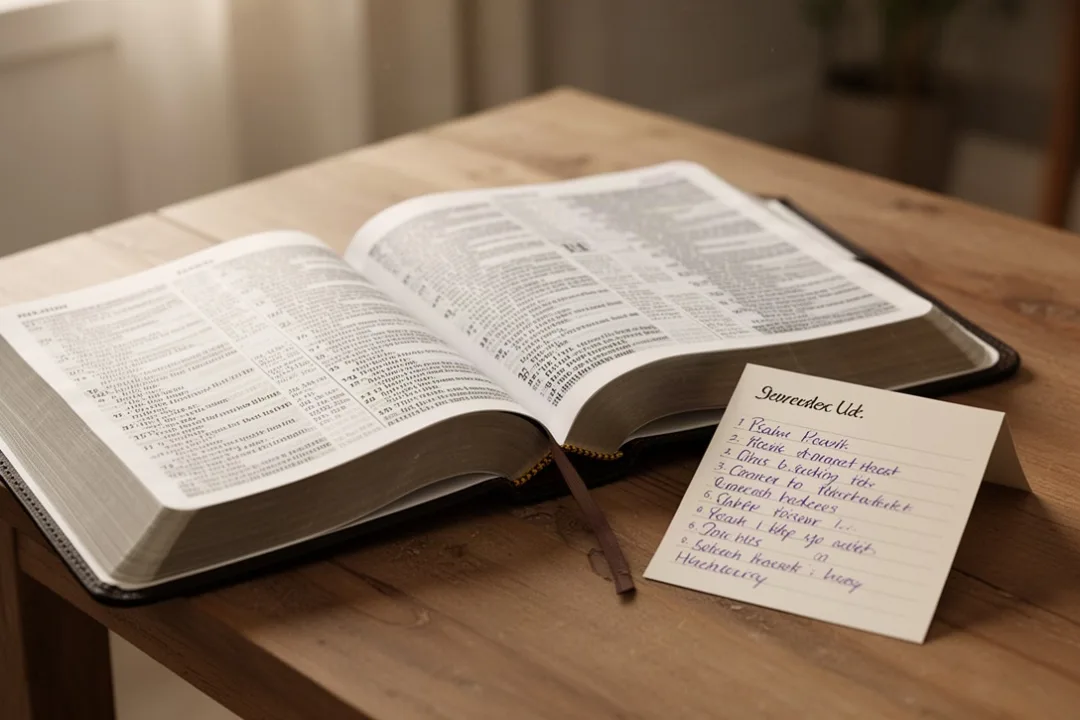
Practical correction: If you need to amend a sermon note, caption, or prayer, write “Psalm 30:8” or “Psalm 31:18” only after checking the surrounding context. A precise citation is more helpful than confidently repeating an uncertain one.
How to study the intended passage accurately
Start by writing down the reference exactly as you received it, including punctuation. Then search the chapter rather than the verse alone. This quickly shows whether the chapter is long enough to contain the cited verse and may reveal a nearby reference that matches the remembered wording.
Next, identify the main action in the passage. Is the speaker praising, pleading, confessing, remembering, or asking for protection? This helps distinguish Psalm 30 from Psalm 31, since both contain prayers shaped by danger but emphasize different responses.
Read at least several verses before and after the possible match. Psalm 30:8 becomes clearer when read alongside the speaker’s loss of confidence and urgent appeal for mercy. Psalm 31:18 becomes clearer when read within the prayer for refuge and protection from false, contemptuous speech.
Then compare translations if a particular phrase seems familiar. Translations may vary in wording and punctuation, and poetic lines may be arranged differently. The wording can change while the central subject remains recognizable. Bible quotations should therefore be checked against the edition being used rather than reconstructed from memory.
It can also help to distinguish the meaning of a passage from the reason you want to use it. Psalm 30 may encourage someone who has come through suffering, but its original prayer still includes fear, dependence, and a plea for mercy. Applying it responsibly means honoring those elements rather than using only the most comforting image.
Ways to pray with Psalm 30
Psalm 30 can shape a prayer at several points in a difficult season. If you are in immediate distress, its appeal for mercy gives you permission to be direct. You do not need to hide fear behind polished religious language. Name the situation honestly and ask for the help you need.
If you have recently recovered from a crisis, use the psalm as a framework for remembrance. Consider what changed, who helped you, and what signs of grace you might otherwise overlook. Gratitude becomes more grounded when it is connected to specific experiences rather than general phrases.
If you are supporting someone else, pray the psalm without forcing its ending onto that person. You can affirm hope while allowing room for sadness, uncertainty, and gradual healing. The movement toward joy can be a promise to hold gently, not a timetable to impose.
A simple pattern may help:
Name the trouble: describe the fear, loss, illness, conflict, or uncertainty honestly.
Ask for mercy: bring the need to God without pretending to control the result.
Remember past help: identify times when you received strength, protection, wisdom, or support.
Give thanks: express gratitude for what is already true, even if the situation is unfinished.
Leave room for ongoing prayer: return to the psalm when grief or fear rises again.
This pattern reflects Psalm 30’s own movement. It does not require you to manufacture happiness. It allows honest lament and thankful praise to exist in the same prayer.
How to explain Psalm 30:18 to someone else
A clear explanation can be brief: “Psalm 30 has only 12 verses, so Psalm 30:18 is not a valid citation. You may mean Psalm 30:8, about calling to God for mercy, or Psalm 31:18, about false and arrogant speech.” That answer corrects the reference without embarrassing the person who made the mistake.
If the reference appeared in a devotional, social media post, or printed program, check whether the source has a typographical error. Some errors are simple transpositions, such as changing 8 to 18. Others result from combining a chapter number from one passage with a verse number from another.
The most responsible approach is to state what can be confirmed and identify what remains uncertain. You can explain Psalm 30 confidently while avoiding a claim about the writer’s intention unless the surrounding material makes it clear. That combination of accuracy and restraint protects both the text and the reader.
Psalm 30 does not contain a verse 18, but it still offers a substantial message: God is sought in distress, remembered after rescue, and praised when mourning gives way to renewed joy. If the intended reference is Psalm 30:8, the focus is a plea for mercy. If it is Psalm 31:18, the focus is false speech and divine protection. Checking the citation is the first step toward hearing either passage correctly.
Frequently asked questions
Is there a Psalm 30:18 in any Bible translation?
No. Psalm 30 ends with verse 12 in standard Bible editions. Differences in translation can affect wording, punctuation, or headings, but they do not extend the chapter to 18 verses. If you cannot find the reference, check whether the intended citation was Psalm 30:8, Psalm 31:18, or another nearby passage.
What is the most likely correction for Psalm 30:18?
Psalm 30:8 is a likely correction if the subject is calling to God, asking for mercy, or seeking help during trouble. Psalm 31:18 is more likely if the subject is lying, slander, arrogant speech, or enemies who harm others with their words. The surrounding quotation or sermon topic can identify the intended reference.
What is Psalm 30 mainly about?
Psalm 30 is a thanksgiving prayer that remembers distress, celebrates God’s help, and describes mourning being replaced by joy. It also acknowledges that confidence in personal security can fail. The psalm encourages honest prayer during crisis and grateful worship after deliverance, while leaving room for the reality that recovery may take time.
How should I use Psalm 30 when someone is grieving?
Use it as an invitation to honest prayer rather than a demand for immediate happiness. The psalm recognizes weeping and fear before it speaks of renewed joy. You can pray for mercy, remember past help, and hold onto hope without telling a grieving person that their pain should already be over.
















Leave a Reply