Does God Accept Gay People? A Compassionate Guide to Faith, Inclusion, and Love
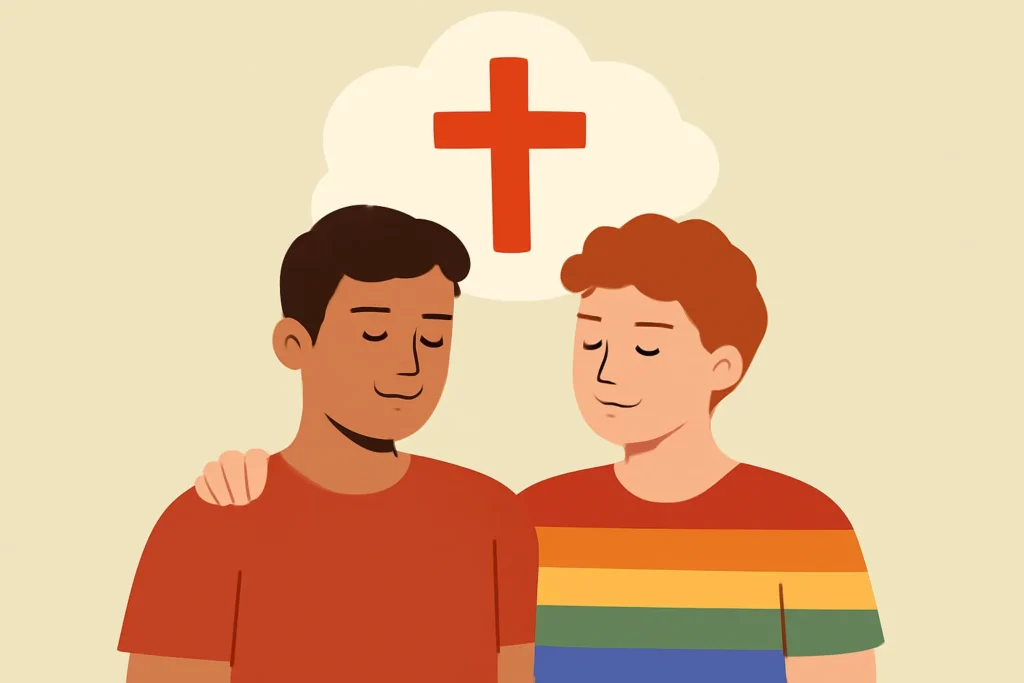
The question “does God accept gay people?” has echoed through houses of worship, study halls, and online forums for decades. It sits at the intersection of creed, identity, ethics, and community. This article offers a comprehensive exploration of the topic, presenting a compassionate, thoughtful overview that respects diverse beliefs while inviting reflection, dialogue, and lived experience. Whether you are asking as a person of faith, as a friend or family member, or as a curious reader, the aim here is to illuminate the different ways communities have understood divine acceptance, human dignity, and loving inclusion.
Across traditions and centuries, people have wrestled with how divine love relates to human sexuality and gender. Some communities have maintained boundaries that restrict full participation for LGBTQ+ people; others have embraced full inclusion, arguing that God’s love is universal and that hospitality, mercy, and justice should shape how believers welcome one another. The nuanced reality is that there is no single answer that fits every faith community. Instead, there are many perspectives, hermeneutical approaches, and pastoral practices. This guide is designed to help readers understand the breadth of viewpoints, to discern what is ethically consistent with love and justice, and to consider practical ways to foster healthier, more compassionate faith communities.
Does God Accept Gay People? Variations on a Core Question
People ask variations of this core question in different words: “Can someone who is gay belong to God’s family?”“Is same-sex love compatible with religious faith?”“Does divine grace exclude LGBTQ+ people?”“What about marriage, blessing, and spiritual authority for gay individuals?” These inquiries reflect concerns about divine judgment, communal belonging, and the meaning of fidelity to one’s conscience and to sacred teachings.
Understanding the diversity of answers begins with naming two guiding ideas that recur in many faith traditions: the primacy of love and the dignity of every person. When communities center mercy, care, and justice, they often discover more nuanced and expansive understandings of what it means to be faithful. Conversely, when fear or exclusivity drive interpretation, some communities may place barriers around LGBTQ+ people. The goal of this article is not to prescribe a path but to illuminate options, provide questions to ask, and share resources for discernment and care.
Theological Perspectives Across Traditions
Christianity
Within Christianity, there is a spectrum of positions on gay inclusion. The range reflects differences in biblical interpretation, tradition, and ecclesial authority. Here are broad categories you may encounter:
Conservative and traditional readings: In many evangelical circles and some Catholic contexts, certain biblical passages are repeatedly cited to restrict or prohibit homosexual relationships. Proponents often view sexual activity as reserved for heterosexual marriage and may argue that LGBTQ+ identities should not be celebrated in liturgical or sacramental life. Even within this camp, many emphasize pastoral care and love for the queer person, but they maintain boundaries around marriage or ordination and may advocate celibacy as a discipline.
Progressive and inclusive readings: A growing number of denominations and congregations affirm LGBTQ+ lives as God-given, celebrating same-sex relationships and supporting full participation in church leadership, ordination, and sacraments. Interpretive approaches often foreground agape love, the dignity of every person, and the historical-critical study of Scripture to justify inclusion.
Middle-ground or evolving positions: Some communities hold that individual conscience and local discernment are essential. They may permit blessing ceremonies or membership while maintaining debate about certain roles or rites, or they may encourage local churches to discern how to balance tradition with compassion.
Key concepts that surface in Christian discussions include the image of God in every person, grace and repentance, and the distinction between orientation and behavior in some theological frameworks. For many, the question is not whether God blesses LGBTQ+ people in a casual sense, but whether religious communities can embody unconditional love, justice, and welcome while remaining faithful to their convictions.
Judaism
Judaism offers a diverse landscape of practice and law, with differences among Orthodox, Conservative, Reform, and Reconstructionist streams. The question of gay inclusion intersects with halachic (Jewish legal) interpretations, scriptural readings, and the evolving social ethics of communities.
Orthodox Judaism typically maintains traditional prohibitions on certain sexual acts, while increasingly emphasizing compassion, respect, and pastoral sensitivity. Some Orthodox communities welcome LGBTQ+ individuals in non-ritual roles or advocate for educational and supportive programming, though ordination and certain rites may be restricted.
Conservative Judaism has moved toward greater inclusion in many communities, ordaining LGBTQ+ rabbis in many cases and affirming same-sex relationships in ritual life, though practices may vary by congregation.
Reform and Reconstructionist Judaism generally affirm LGBTQ+ people fully, ordaining LGBTQ+ clergy, blessing same-sex marriages, and promoting inclusive ritual and community life as a core value.
Across these streams, central biblical themes—such as the obligation to treat every person with dignity, to care for the vulnerable, and to pursue justice—often guide inclusive practices. The Jewish tradition also emphasizes community discernment and the ongoing study of Torah and rabbinic literature to interpret contemporary questions about gender and sexuality.
The question of LGBTQ+ inclusion within Islam is complex and nuanced. Traditional Islamic jurisprudence has tended toward prohibitions against same-sex sexual activity in many communities, based on scriptural interpretations and juridical reasoning. Yet, Muslims around the world hold a wide range of views, and there is a robust conversation within reformist, progressive, and some Sufi circles that centers on human dignity, compassion, and spiritual identity.
Conservative and traditional interpretations often emphasize adherence to sharia as the basis for moral life, with boundaries around sexual behavior that align with heterosexual marriage as the normative frame.
Progressive and inclusive voices advocate for empathy, human rights, and the reinterpretation of texts in light of modern understandings of sexuality, sometimes supporting inclusive communities, LGBTQ+ support groups, or the blessing of relationships among Muslims who identify as LGBTQ+.
Pastoral approaches in diverse communities sometimes focus on non-judgmental care, spiritual nourishment, and a path toward reconciliation with faith, while acknowledging disagreements within the broader Muslim world.
Regardless of doctrinal stance, many Muslim communities emphasize the primacy of mercy, hospitality, and human dignity, and some scholars encourage congregational spaces that provide safe, respectful dialogue. The conversation about God’s acceptance of LGBTQ+ believers frequently centers on how to hold faith and compassion together in everyday life.
Hinduism
Hinduism’s vast and plural religious landscape includes diverse understandings of sexuality, gender, and divine love. Hindu scriptures, philosophy, and myth celebrate a spectrum of identities and relationships in many traditions, while others interpret deities and dharma in more traditional ways. The question here is often framed around how divine love and personal dharma intersect for LGBTQ+ individuals.
Advaitic or non-dual perspectives may emphasize the unity of existence and the divinity within every being, which can translate into inclusive attitudes toward LGBTQ+ people in spiritual settings.
Traditional ritual and caste-based frameworks sometimes yield more conservative social norms, but many contemporary Hindu reform movements and regional communities actively promote inclusion and equality.
Myth and epic literature contain stories of gender fluidity and divine play, which some scholars and practitioners read as evidence of a broad spectrum of acceptable expressions of love and devotion.
In practice, Hindu communities often distinguish between personal devotion and public norms, encouraging seekers to follow their conscience while upholding the values of non-harm and hospitality toward others. This has led to environments where LGBTQ+ people participate fully in worship, education, and cultural life in many temples and ashrams, even as debates continue in other settings.
Buddhism
Buddhist teachings frequently foreground compassion, non-harm (ahimsa), and mindful understanding, which many interpreters use to argue for inclusive attitudes toward LGBTQ+ people. The diversity of Buddhist cultures means that practices and beliefs about sexuality vary widely, but the ethical framework often centers on the intention behind actions and the impact on oneself and others.
Theravada, Mahayana, and Vajrayana communities may approach LGBTQ+ inclusion differently, yet many modern Buddhist centers warmly welcome LGBTQ+ practitioners and recognize the sanctity of each person’s path.
Queer Buddhist ethics emphasizes loving-kindness, authentic spiritual expression, and the dismantling of stigma that causes suffering.
Ritual and ritual leadership in some places has expanded to include LGBTQ+ clergy, meditation groups, and community services that affirm diverse identities.
In Buddhist ethics, the emphasis is often on non-harm, intention, and compassion, which many interpret as supportive of inclusive practice. The question becomes less about doctrinal prohibition and more about whether a community’s culture fosters peace, healing, and wisdom for everyone, including LGBTQ+ people.
Sikhism
Sikhism, with its focus on the oneness of humanity and the equality of all beings, has a theological terrain where inclusion is often framed as a matter of service (seva), justice, and compassion. The core teachings emphasize treating others with dignity and upholding righteousness in daily life, which many interpret as compatible with welcoming LGBTQ+ individuals into the community.
Some Sikh communities advocate for full inclusion in religious spaces and community life, while others wrestle with traditional norms and family expectations.
Educational programs, community dialogues, and youth initiatives frequently aim to reduce stigma and to provide safe spaces for LGBTQ+ Sikhs.
Overall, many Sikh thinkers and practitioners argue that divine love and human dignity demand welcoming and respecting every person, including those who identify as LGBTQ+.
Across traditions, certain themes recur when addressing whether God accepts gay people and how communities respond:
Love as the core of faith: Many theologians insist that love—toward God, toward neighbors, and toward oneself—must be central. When love governs practice, communities strive to build belonging rather than exclude.
Dignity and rights of the LGBTQ+ person: The belief that every person bears intrinsic worth, is created in the divine image (in various theologies), and deserves safety, respect, and equal access to church life or temple life.
Grace, mercy, and repentance: Some Christian traditions, for example, speak of grace that transforms lives and invites people into conversion narratives. The language of grace is often invoked to argue for welcome and healing rather than condemnation.
Scripture and tradition under hermeneutics: The way sacred texts are read matters. Some communities read scriptures through a historical-critical lens, acknowledging cultural context, translation issues, and evolving ethical insights. Others rely on longstanding doctrinal interpretations. Both approaches seek to honor the sacred while responding to contemporary understandings of love and inclusion.
Pastoral care and community well-being: The well-being of LGBTQ+ individuals and the integrity of religious communities are not mutually exclusive. In many contexts, pastoral care becomes the bridge between doctrine and daily life, offering hospitality, counseling, and spiritual formation that affirm the dignity of all members.
These core concepts invite readers to consider not only whether God accepts gay people but also how faith communities can embody acceptance in practices, policies, and daily relationships. The ultimate aim is to nurture faith communities that are honest about difference while being relentlessly committed to love and justice.
Common Questions and Misconceptions
Here are frequently asked questions, with concise clarifications that reflect the nuanced landscape described above:
Does God hate gay people? No. Most theological traditions affirm that God’s love is universal and that hatred or stigma from people is a human failure, not a divine mandate. The theological question often centers on human behavior and communal boundaries, but even within strict frameworks, compassion and care for individuals remains essential.
Is homosexuality a sin? Perspectives vary. In some traditions, LGBTQ+ sexual acts are spoken of as inconsistent with covenantal norms; in others, sexual orientation is understood as a neutral or unchosen dimension of identity, with the focus on relationship ethics and mutual consent rather than orientation itself.
Can a gay person be a Christian, Jew, Muslim, Hindu, Buddhist, or Sikh? Yes, depending on the community and interpretation. Many people affirm that faith is compatible with LGBTQ+ identities, while others continue to discern fit within particular roles or rites. The question often becomes how communities practice inclusion, leadership, and sacred rites in ways that honor both faith commitments and human dignity.
What about marriage and ordination? Some traditions ordain LGBTQ+ clergy and bless same-sex marriages, while others restrict these rites. The conversation typically centers on how to balance doctrinal beliefs with justice, mercy, and equal access to spiritual leadership.
How can a church, synagogue, mosque, temple, or sangha become more inclusive? Practical steps include adopting explicit welcome statements, creating safe spaces, offering ongoing education, providing confidential pastoral care, and ensuring governance structures reflect fairness and accountability.
These questions demonstrate that the conversation about divine acceptance and LGBTQ+ inclusion is ongoing and dynamic. It invites communities to reflect on their identities, responsibilities, and the kind of spiritual home they want to become for people of all orientations and identities.
Practical Guidance for Faith Communities
For those who lead, teach, or participate in religious communities, here are actionable steps to foster inclusion with integrity and to safeguard the spiritual well-being of all members:
Commit to a clear, compassionate welcome policy: Publish a publicly accessible statement that affirms the dignity of LGBTQ+ people and outlines how congregations will practice hospitality, equal access to programs, and non-discrimination in membership and leadership where allowed.
Provide ongoing education: Offer regular classes, book studies, and guest speakers that explore LGBTQ+ topics, theology, and ethics. Include voices from LGBTQ+ theologians, clergy, and lay leaders.
Train leaders in pastoral care: Equip pastors, counselors, and lay ministers with skills in listening, confidentiality, trauma-informed care, and recognizing harm or abuse. Ensure access to mental health resources that are respectful of faith and identity.
Review rites, worship, and leadership roles: Examine who can participate in worship leadership, sacraments or rites, and community governance. Remove unproductive barriers while maintaining doctrinal commitments. Consider inclusive language in liturgy and bylaws.
Create safe spaces: Establish support groups, mentorship programs, and youth groups where LGBTQ+ individuals can be open about faith concerns, identity, and family expectations without fear of judgment.
Address family and community dynamics: Provide resources for families, including counseling and education about LGBTQ+ identities. Encourage a culture of hospitality that helps families navigate changes with grace and patience.
Promote accountability and anti-harassment: Enforce policies against harassment, bullying, and spiritual abuse. Make clear that discrimination violates core values of love, justice, and community integrity.
Celebrate full participation: Create opportunities for LGBTQ+ people to lead worship, teach, preach, and serve in roles that align with their gifts, thereby modeling inclusive discipleship.
Honor conscience and discernment: Recognize that individuals and local communities may differ in their theological conclusions. Encourage respectful dialogue and shared prayer across differences, fostering a spirit of humility toward others’ journeys.
These steps aim to transform beliefs into practices that embody love and justice in concrete ways. They also help communities navigate tensions with care, ensuring that faith remains a source of healing and belonging for all who seek it.
Personal Stories and Witness
Personal narratives can illuminate the lived reality behind theological debates. While every person’s story is unique, there are common themes that emerge when LGBTQ+ people reflect on faith and community:
Belonging and spiritual growth: Many LGBTQ+ individuals describe discovering a faith community where they are welcomed as full members—where they can pray, study, and serve without hiding who they are.
Healing from harm: Some have endured spiritual abuse or rejection and find healing in affirming spaces that acknowledge their dignity and worth as beloved children of the divine.
Leadership and vocation: LGBTQ+ people often contribute richly as teachers, pastors, theologians, scholars, activists, and community organizers, bringing perspectives that enrich faith communities and broaden the church’s or temple’s or mosque’s understanding of ministry.
Family and relationships: Families experience both challenge and growth when they learn to love and affirm their LGBTQ+ members while navigating cultural or religious expectations.
These testimonies remind readers that the question of divine acceptance is not only about doctrine but about the real experiences of human beings who seek meaning, belonging, and a life of integrity within faith communities.
Conclusion: Toward a Compassionate Faith
In the end, the question “does God accept gay people?” moves beyond a simple yes-or-no answer. It invites a living practice—one that centers love, dignity, and justice while honoring tradition, conscience, and the diversity of human experience. Across faiths, the most compelling responses tend to be those that model radical hospitality and humble discernment, recognizing that mistakes will happen and that growth is possible when communities remain open to learning from one another.
To approach this topic with integrity, readers may ask themselves:
What does our tradition teach about the worth of every person and the obligation to treat others with respect?
How can we distinguish between orientation and behavior in a way that honors both faith commitments and human dignity?
What practical steps can we take this year to make our worship spaces more welcoming, safe, and just for LGBTQ+ people?
Are there community partners, theologians, or faith leaders who can offer guidance as we navigate questions of inclusion, leadership, and worship?
The journey toward a more inclusive faith is ongoing. It requires listening to LGBTQ+ voices, studying sacred texts with care, and practicing mercy in everyday interactions. It also calls for courage: the courage to challenge assumptions, to extend hospitality, and to hold together love for God with love for neighbor. When communities embody this double loyalty to God and neighbor, they reframe the question from whether God accepts gay people to how a faith community can embody divine love in all its fullness.
As you explore Does God accept gay people?, may you encounter a spirit of compassion, curiosity, and courage. May your exploration lead to communities where every person is welcomed, every voice is heard, and every path toward the divine is treated with dignity and respect.














Leave a Reply