What It Means to Be a Born Again Christian: Definition, Core Beliefs, and How to Become One
The phrase born again or born-again Christian is one of the most recognizable descriptors in Protestant and evangelical circles. Yet it is also a term that carries a wide range of meanings depending on tradition, culture, and personal experience. This article provides a careful, descriptive overview of the definition of a born again Christian, explains the central beliefs that typically accompany the label, and outlines practical steps often offered to those who want to become one. By exploring the language—such as new birth, regeneration, and conversion—and by looking at historical and contemporary understandings, readers can gain a clear, balanced sense of what it means to be born again in today's world.
Defining the Born Again: Core Concept and Semantic Range
The core idea behind the phrase born again is a profound spiritual transformation. In many Christian traditions, a born again experience denotes a personal turning toward God through Jesus Christ, resulting in new life that is distinct from one’s former pattern of living. This is often described in simple terms as being reborn by the Holy Spirit—a change of heart and mind that reorients priorities, desires, and purposes.
Within the broader Christian ecosystem, there are several variations of the definition that people use when they say someone is a born again believer. Some emphasize a specific moment of decision or a personal encounter with Jesus; others highlight ongoing ongoing growth, obedience, and a life shaped by Scripture and prayer. Because language and tradition shape understanding, this article uses a spectrum of terms to reflect semantic breadth: born again, born-again Christian, new birth, regeneration, conversion, and trust in Christ.
The phrase born again is best known from Jesus’ conversation with Nicodemus in the Gospel of John. In this passage, Jesus tells Nicodemus that to see the kingdom of God, one must experience a new birth that is not a physical birth but a spiritual birth effected by the Spirit. This scriptural anchor is why many Christians understand regeneration as essential to the definition of a born again person.
Other Biblical Texts on New Birth and Transformation
Beyond John 3, the Bible speaks of spiritual transformation in terms such as regeneration (a rebirth of a person’s spiritual condition), new creation (2 Corinthians 5:17), and the work of the Holy Spirit in convicting, convincing, and renewing a believer (Titus 3:5, Romans 8). For many readers, these passages provide a theological frame for understanding what it means to be born again and why the term remains central in conversations about salvation and discipleship.
Pillars of Belief Among Born Again Believers
People who identify as born again Christians typically affirm a set of core beliefs that distinguish their approach to salvation and daily living. While not every adherent will agree on every detail, the following themes frequently appear in discussions about what it means to be a born again believer.
Jesus as Lord and Savior: A central conviction is that Jesus Christ is the authoritative Son of God who came to earth to redeem humanity from sin, and that personal salvation is received by faith in Him.
Grace and faith: The gospel is understood to be a gift of grace that is received through faith, not earned by works, though genuine faith will bear fruit in good works and a transformed life.
Repentance and faith: A born again person repents of sin and trusts Jesus, turning away from old patterns toward obedience to God.
Regeneration by the Holy Spirit: The transformation is attributed to the Holy Spirit who creates new life within the believer, regenerating the heart and renewing desires.
Scriptural authority and disciple-making: The Bible is regarded as authoritative, with a commitment to reading, studying, and applying Scripture in daily living, often accompanied by a desire to grow as a disciple.
Baptism and community: Many born-again communities affirm baptism as an outward sign of inward faith, and value belonging to a local church or community of believers for mutual encouragement and accountability.
The expression born again has been used in diverse ways across Christian history. It first gained wide public usage in Protestant circles in the 20th century, especially within evangelical movements in the United States and around the world. Today, it appears in many denominations, including Baptists, Methodists, Pentecostals, and some charismatic churches, as well as in Anglican and non-denominational contexts. Each tradition might nuance the concept in slightly different ways, while still sharing the essential emphasis on a personal encounter with God through Jesus Christ.
Evangelical and Fundamentalist Streams
In many evangelical churches, the born again experience is foregrounded as the decisive moment of conversion—often described as a personal decision to trust in Christ. This is frequently paired with evangelistic calls, altar responses, and explicit testimonies highlighting a radical turn from sin to faith. For adherents in these circles, the emphasis on a personal relationship with Jesus remains central, and the term born again is commonly used in outreach, teaching, and testimony.
Baptist and Pentecostal Emphases
Within Baptist circles, the emphasis on individual faith and explicit profession of faith through believer’s baptism (as opposed to infant baptism) is common, and many speakers describe baptism as a public declaration of the new birth. Pentecostal and charismatic groups often couple the born again experience with a subsequent expectation of Spirit-led empowerment, such as spiritual gifts and vibrant, expressive worship. While their expressive practices differ, both streams often treat conversion and regeneration as the starting point of a life-long journey of faith.
Anglican, Wesleyan, and Other Traditions
In Anglican and Wesleyan contexts, the concept of being born again may be paired with a broader catechetical process, liturgical life, and a parallel emphasis on sanctification—growth in holiness over time. Here, conversion and beginnings of faith are often framed within a lifelong path of spiritual formation, as believers participate in the sacraments, Scripture, prayer, and community disciplines.
How to Become a Born Again Christian: A Clear, Practical Path
If you are asking, how to become a born again Christian, you are addressing a question that is both theological and practical. While different traditions describe the process with different emphases, there are several common elements that many would recognize as essential steps toward what many call the new birth.
Hear the gospel: Understand the core message that Jesus came to save sinners, that sin naturally separates people from God, and that God offers forgiveness and new life through faith in Jesus Christ. This step often involves engaging with Scripture, preaching, or conversations with trusted believers.
Respond in faith and repentance: Acknowledge personal need for forgiveness and turn toward God in faith, choosing to trust Jesus as Lord and Savior. This is commonly described as a deliberate turning from patterns of sin to a new way of living.
Confess faith publicly or privately: In many traditions, there is an explicit confession of faith—whether privately in prayer or publicly in a church setting. Confession affirms belief in Jesus and the decision to follow Him.
Receive the Holy Spirit: The experience is understood by many as the Spirit’s work within the believer, bringing new life, conviction, and empowerment for holy living. This often occurs in conjunction with or following faith and repentance.
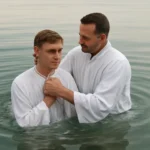
Proclaim and participate in baptism: For many Christians, baptism is a symbolic act that publicly declares the new life in Christ and identifies a person with the church. While the practice and meaning vary, water baptism is a powerful sign of the new birth in several traditions.
Join a faith community and pursue ongoing discipleship: Being part of a local church provides nourishment through Scripture, teaching, fellowship, and service. Ongoing discipleship involves following Jesus daily, growing in obedience, and sharing one’s faith with others when appropriate.
These steps can be described in different orders or with slightly different emphases depending on tradition. What remains consistent is the idea that becoming a born again Christian is more than a single moment; it begins a new life trajectory characterized by trust in Christ, alignment with Scriptural teaching, and a growing relationship with God and other believers.
The Practical Life of a Born Again Believer
Being a born again Christian is not only about a moment of decision but also about a continued pattern of living that reflects one’s new identity. Several practical dimensions often accompany this life change:
Daily prayer and personal devotion: A regular rhythm of reading Scripture, talking with God, and reflecting on God’s will helps keep the heart aligned with the new birth.
Scripture-centered worldview: The Bible functions as a guide for moral decisions, relationships, and personal growth, shaping a believer’s routines, habits, and expectations.
Ethical transformation: Obedience to God’s commands, love for neighbor, integrity in work, and humility in relationships often accompany the regeneration that marks a new creation.
Community and accountability: Engaging with a local church or small group offers encouragement, accountability, and opportunities to serve others, which are common expressions of the post-conversion life.
Mission and service: Many born again believers see their lives as part of God’s mission in the world, which may involve evangelism, social justice, charity, or other forms of service.
In discussing the practical life of a born again believer, it is important to note that the intensity and style of expression can vary widely. Some communities emphasize personal evangelism and revival events, while others emphasize quiet spiritual formation, social responsibility, or liturgical prayer. The underlying thread, however, is a lived response to the belief that God has acted to restore humanity through Jesus Christ.
Several misconceptions about the term born again circulate in public discourse. Clarifying these can help foster respectful dialogue and a more accurate understanding of what it means to be a born-again Christian.
Being born again is only about emotion: While many people experience a powerful emotional moment, the essence of being born again centers on a spiritual transformation and faith in Christ, not merely a feeling.
Being born again guarantees moral perfection: The new birth signals a new life orientation, but it does not erase human fallenness. Growth in holiness and sanctification continues as believers depend on God’s grace.
Only one kind of experience counts: Different Christian traditions describe conversion and regeneration with nuances—some emphasize a decisive moment, others emphasize ongoing discipleship or a combination of both.
Water baptism is the same as being born again: In many traditions, baptism is an important public act of faith but is not itself the moment of being born again. The latter refers to the inner spiritual renewal, while baptism symbolizes and publicly confirms that renewal.
Being born again is a thing of the past: For many believers, the experience continues to unfold in daily obedience and through the ongoing work of the Holy Spirit in the life of faith community and personal practice.
Finding a church or faith community that supports a genuine, robust understanding of being born again involves looking for certain qualities. When seeking a community that fosters spiritual growth, consider the following factors:
Clear gospel emphasis: The church consistently presents the good news of Jesus Christ and the necessity of personal faith in Him for salvation.
Biblical teaching: Preaching and teaching that faithfully interpret Scripture and apply it to daily living helps nurture the new birth in practical ways.
Healthy emphasis on grace: A strong doctrine of grace—God’s unmerited favor that makes salvation possible—helps guard against legalism and fosters gratitude and joy in the life of faith.
Discipleship and mentoring: Programs or pathways for spiritual growth, accountability, and mentoring support ongoing formation as a born again believer.
Authentic community: A welcoming, loving environment where people are challenged to live out their faith with integrity, love, and service.
Below are common questions people ask when exploring what it means to be a born again Christian. The answers reflect broad, shared themes across traditions, while noting that practices and wording can differ.
What is the difference between being born again and becoming a Christian? The expression born again often signals the decisive moment of conversion—placing one’s faith in Christ and receiving spiritual renewal—whereas “becoming a Christian” can refer to the ongoing journey of following Jesus after that initial decision.
Is being born again the same as baptism? For many, baptism is an important symbol of the new birth, but the inner regeneration is believed to occur through faith in Christ and the work of the Holy Spirit, not merely through the act of baptism.
Can someone be born again and still struggle with sin? Yes. The new birth initiates a new life, but ethical growth, spiritual formation, and the victory over chronic sin are ongoing processes shaped by grace and discipline.
Do all Christians need to be born again to be saved? Most traditions that use the language of being born again would affirm that genuine faith in Christ, repentance, and trust in Jesus are essential for salvation, though there are diverse ways of expressing and experiencing that reality.
What about people who grew up in non-Christian traditions? The Christian understanding generally teaches that faith in Christ and the Spirit’s work can transform a person anywhere, but the exact path to faith may differ depending on context, exposure, and opportunity for hearing the gospel.
Being a born-again Christian is best understood as the beginning of a lifelong apprenticeship to Jesus. The goal is not only to secure a personal salvation but to participate in the kingdom of God in visible ways—through relationships, service, worship, and mission. The journey includes growth in knowledge, character, and skills for loving God and neighbor, as well as participation in a worshiping community that fosters accountability and encouragement.
Many people who identify as born again Christians cultivate spiritual disciplines that sustain their faith. Some common practices include:
Regular Scripture reading and study to understand God’s will and His promises.
Prayer as a means of conversation with God, including gratitude, confession, intercession, and praise.
Worship—both personal and communal—as a response to God’s grace and revelation.
Fellowship with other believers for encouragement, accountability, and service.
Service and mission—loving neighbors, sharing the gospel, and meeting practical needs as expressions of the transformed life.
While the language may vary by tradition, the underlying expectation is consistent: a born-again life is a life that seeks to honor Christ in all areas—thought, speech, action, and relationships—and to reflect the love and truth of the gospel to the world.
In sum, the definition of a born again Christian centers on a transformative encounter with God through Jesus Christ, resulting in regeneration by the Holy Spirit, a faith-based commitment to Christ, and a lifelong process of discipleship and growth. While explanations and practices differ across traditions, the core idea remains a person whose life has been redirected by the gospel—marked by trust in Christ, a new set of desires aligned with God’s will, and a community-shaped path of worship, service, and spiritual formation.
If you are exploring what it means to become a born-again believer, consider engaging with a Bible church or a community that teaches the gospel clearly, fosters a culture of grace and accountability, and offers resources for spiritual growth. The journey toward the new birth is not a solitary endeavor; it is best pursued within a community that helps you understand Scripture, grow in faith, and live out your calling in the world.
Whether you describe the experience as a moment of decision, a process of transformation, or a continuous journey of obedience, the best articulation of being a born again Christian is a life that loves Jesus, embodies the gospel, and participates in God’s mission in the world—today, tomorrow, and for the days to come.














Leave a Reply