Church Van Insurance: Affordable Coverage for Your Church
Church Van Insurance: Affordable Coverage for Your Church
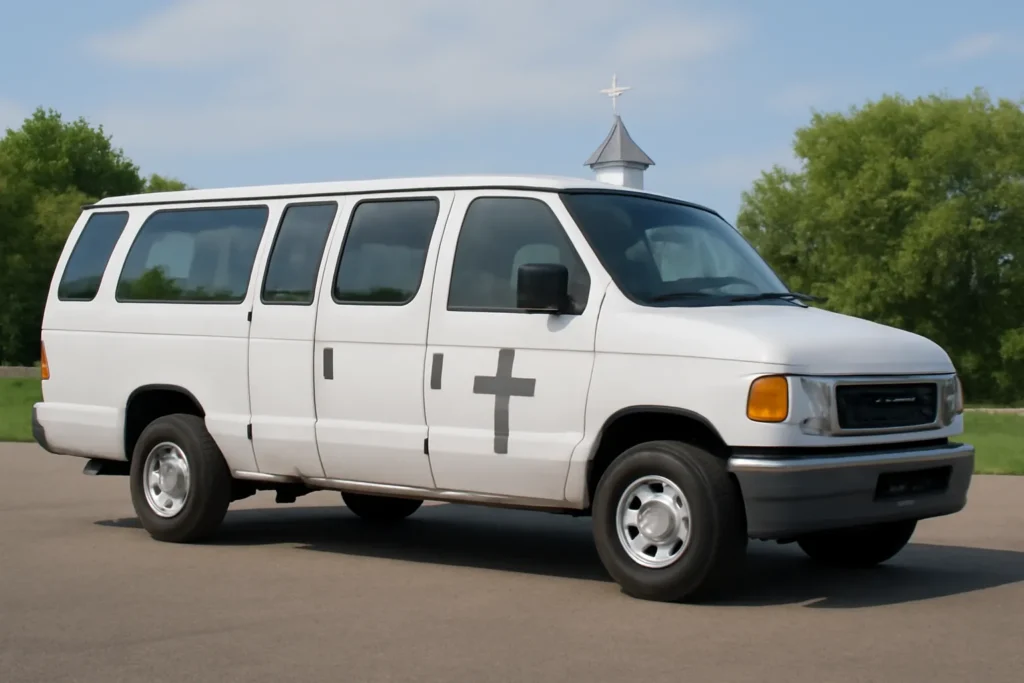
Church van insurance is a specialized form of auto coverage designed for faith-based organizations that operate vans for transportation of members, volunteers, youth groups, and mission teams. This article explores affordable coverage options, practical considerations, and strategies to protect your church while keeping costs manageable.
Church vehicle insurance encompasses policies that cover church-owned or church-operated vans used for programs, worship services, outreach events, and trips. It typically combines elements of standard auto insurance with features tailored to the nonprofit landscape. While a traditional auto policy might cover a lone vehicle, a church may require a single, fleet-style policy or a collection of vehicles with a centralized underwriting approach. The core idea remains the same: minimize financial exposure from accidents, theft, or liability arising from church activities.
Common coverage components found in religious organization vehicle policies include:
Liability coverage for bodily injury and property damage caused by a vehicle you own or operate.
Collision and comprehensive protection for damage to the van from accidents, weather, vandalism, or theft.
Medical payments or personal injury protection (PIP) to help cover medical costs for drivers and passengers regardless of fault.
Uninsured/Underinsured motorist coverage to protect against drivers who lack sufficient insurance.
Non-owned and hired auto coverage for vehicles used by volunteers or contractors that are not owned by the church.
to extend protection beyond standard limits when the church faces large claims.
Why churches need reliable vehicle coverage
Transportation is a central part of many church programs. Vans shuttle families to worship services, field trips, charitable outings, and disaster response efforts. In this context, fleet safety and financial resilience go hand in hand. Reasons churches invest in robust coverage include:
Protecting ministry budgets from unexpected losses that could compromise outreach or programs.
Legal and regulatory compliance requirements, since many states expect at least basic liability coverage for motor vehicles used in organized activities.
Volunteer and staff protection for drivers who contribute their time and may lack commercial driving credentials.
Donor and member confidence that the church manages risk responsibly and can sustain programs after an incident.
Operational continuity by ensuring a quick path to repairs, replacements, or alternative transportation during downtime.
Key coverage options for church vans
Liability coverage for churches
The liability component is usually the most important part of any church van policy. It protects against claims arising from injuries to passengers or damage to third-party property resulting from a covered incident. Typical limits can range from $100,000 per person to $1,000,000 per occurrence, depending on state requirements, vehicle value, and the church’s risk profile. Churches may consider higher limits for youth programs or mission trips where the number of passengers is larger and the potential for higher medical costs exists.
Collision and comprehensive coverage
Collision covers damage to the van caused by a collision with another vehicle or object. Comprehensive covers non-collision events such as theft, fire, weather damage, vandalism, or hitting an animal. For older or lower-mileage vans, churches might opt for higher deductibles to reduce premium costs while maintaining core protection.
In cases where another driver is at fault but lacks sufficient insurance, UM/UIM coverage helps cover medical expenses and damages. Given that church events may involve volunteers, youth workers, and families, UM/UIM can be a critical safeguard against large, out-of-pocket costs.
Many church activities rely on volunteers or contracted drivers who operate vehicles not owned by the church. Non-owned and hired auto coverage protects the church if those vehicles are involved in a covered incident while on church business. This is particularly relevant for outreach programs, church camps, or regional events where volunteers drive personal or rented vans.
Medical payments and personal injury protection
Medical payments or PIP can help cover medical costs for drivers and passengers following an accident, regardless of fault. This can be important in minimizing the financial impact on families involved in church-sponsored activities.
Umbrella/Excess liability
For churches with several vans or large youth programs, an umbrella policy extends coverage limits beyond what the standard auto policy provides. This can prevent outsize claims from destabilizing ministry operations.
Special considerations for church fleets
When a church operates more than one van, it becomes a fleet risk rather than a single vehicle. Fleet policies offer centralized management, easier pricing, and simplified claims handling. Consider these factors when evaluating coverage:
Fleet size and the number of vans in regular service for church activities.
Vehicle usage patterns, including weekly programs, weekend events, and long-distance trips for mission teams.
Driver roster and driver qualification standards, including background checks and driving history.
Geographic coverage — whether trips cross state lines or occur in areas with higher risk profiles.
Policy administration — whether a single policy covers all vans or multiple policies exist with a central claims contact.
Premiums and discounts for church vans
The price of church van coverage is influenced by several interrelated factors. Understanding these can help you pursue affordable coverage without sacrificing essential protection.
Driving records of regular drivers and volunteers. Clean records typically reduce premiums, while incidents or violations increase them.
Vehicle type and age. Newer vans with advanced safety features may qualify for discounts, while older vans might cost more to insure per mile.
Mileage and usage. Higher annual mileage or frequent long trips can raise risk and premium.
Deductible levels. Higher deductibles generally lower the premium, but increase out-of-pocket costs after a claim.
Safety and security features. Alarm systems, GPS tracking, airbags, anti-lock brakes, and regular maintenance programs can yield premium reductions.
Discounts for nonprofits. Many insurers offer not-for-profit discounts, bundling options with property or general liability policies, and loyalty incentives.
Driver training and policies. Implementing formal driver training and a clear church driving policy can lower risk and costs.
How to shop for church van insurance
Smart shopping can help a parish or ministry leadership secure cost-effective coverage without compromising protection. Follow these steps:
Inventory all vans and drivers. Document vehicle ages, mileage, and usage patterns for accurate quoting.
Clarify whether you need a single fleet policy or multiple vehicle policies, and decide on centralized or distributed claims handling.
Identify essential coverages for your context (liability, collision, comprehensive, UM/UIM, non-owned/hired auto, and umbrella).
Prepare a list of questions for potential insurers, including limits, deductibles, cancellation terms, and the process for adding or removing vehicles.
Request quotes from multiple insurers, emphasizing not-for-profit status and any applicable church-specific endorsements.
Review each proposal for total cost of ownership, including premiums, deductibles, coverage limits, and any included risk-management resources.
Assess discounts you qualify for and whether safety programs or telematics devices are eligible for premium reductions.
Ask about bundled options for property, liability, and auto coverage to maximize savings and simplify management.
Questions to ask insurers
Do you offer a dedicated “not-for-profit” or “faith-based” vehicle program, and what are the typical rates?
Can you tailor a fleet policy to cover all church vans under a single policy?
What are the deductible options, and how do they affect annual costs?
What safety features qualify for discounts, and how are they verified?
What is the process and timeline for handling a claim, and who is the primary contact?
Claims process and risk management
In the event of a collision or other covered incident, the claims process should be predictable and transparent. Proactive risk management reduces the likelihood of claims and can shorten settlement times when accidents occur.
Immediately ensure safety and call emergency services if needed.
Document the scene with photos, notes, and witness information when possible.
File a police report if required by law or if there is significant damage or injury.
Notify the insurer promptly with a clear description of the incident and all parties involved.
Provide requested documentation, including driver's name, license, vehicle registration, and insurance details.
Cooperate with investigators and avoid admitting fault beyond established facts.
Work with the insurer to arrange repairs, rental coverage, and settlement terms.
Churches can strengthen claims outcomes by maintaining a robust driving policy, keeping detailed maintenance records, and training volunteers on post-incident steps. These practices support fair settlements and minimize downtime for ministry activities.
Making church van insurance affordable requires a blend of prudent risk management, disciplined budgeting, and deliberate coverage design. Here are practical strategies:
Bundle policies (auto, property, liability) with a single insurer to secure multi-policy discounts.
Choose appropriate deductibles that balance risk and cost. A higher deductible can reduce annual premiums, but ensure the church can meet it if a claim is filed.
Invest in safety features and driver training programs to qualify for premium reductions and fewer claims.
Implement a formal driver policy including background checks, age requirements, and limits on driving minors or volunteer drivers with limited experience.
Maintain fleet utilization reviews to ensure vehicles are used efficiently and not kept idle for extended periods, which can affect risk profiles.
Review coverage limits periodically as vehicles are added or retired, ensuring you pay for what you need without over-insuring.
Regulatory and compliance considerations
Nonprofit organizations that run transportation programs should be mindful of state and local requirements. While auto insurance regulations vary by state, several common considerations apply to churches:
Minimum liability limits mandated by state law for vehicles used in church activities.
Proof of insurance on all church-owned vans and timely renewals to avoid lapses.
Compliance with employment and volunteer driving standards, including background checks for drivers and passenger safety rules.
Recordkeeping for maintenance, inspections, and incident reports to support claims and audits.
Coordination with insurance carriers when vehicles are used for school programs or community service that involve youth.
Safety, maintenance, and risk reduction
Preventive maintenance and proactive safety practices are often the most cost-effective ways to protect the church and its people. Consider the following:
Regular maintenance schedules for tires, brakes, lights, and engine systems.
Pre-trip inspections before every trip to verify tires, fluid levels, seat belts, and emergency equipment.
Driver training that covers defensive driving, safe loading/unloading practices, and handling of passengers with special needs.
Clear passenger policies, including seat belt usage, seating arrangements, and supervision ratios for youth groups.
Policies on cell phone use, distractions, and the appropriate handling of church equipment or materials.
Procedures for weather-related trips, trip planning, and contingency planning for cancellations or delays.
Variations and terminology: different ways to talk about church automobile coverage
To improve readability and SEO, you’ll often see several terms used interchangeably. While the core product remains similar, different phrases can help you capture a broader audience. Examples include:
Church vehicle insurance
Faith-based van coverage
Parish van insurance
Nonprofit auto insurance for church fleets
Pastor’s van insurance
Ministry vehicle coverage
Case studies and practical tips
The following scenarios illustrate how thoughtful coverage decisions can save a church time, money, and mission impact.
Case A: A youth mission trip involved a volunteer driver, a rented van, and a minor accident with minor injuries. Because the church carried non-owned and hired auto coverage plus UM/UIM, medical costs and vehicle repair were handled quickly without out-of-pocket strain on volunteers.
Case B: A theft during a parish festival highlighted the importance of comprehensive coverage. The theft claim was resolved efficiently, and the van was replaced with minimal downtime for outreach activities.
Case C: A long-distance outreach van incurred damage during a cross-state trip. A strong umbrella policy helped cover the excess liability beyond standard limits, preserving ministry funds for ongoing programs.
Best practices for lasting affordability
Beyond choosing the right policy, lasting affordability comes from ongoing governance and risk management. Consider these best practices:
Establish a driving policy that requires regular review of driver qualifications and periodic refresher training.
Maintain a current vehicle inventory and remove outdated vans from service when appropriate to lower risk exposure.
Schedule annual insurance reviews to adjust coverage as programs evolve, and to refinance or renegotiate terms with your insurer.
Engage in ongoing safety campaigns, such as seat belt campaigns, distraction-free driving, and volunteer appreciation for safe driving.
Document incidents meticulously to ensure claim efficiency and to inform risk-mitigation efforts.
Choosing between a single policy vs. multiple policies
Churches must decide whether a single fleet policy or multiple vehicle policies best fit their operations. Each approach has pros and cons:
Single policy for all vans can simplify administration, often enabling easier premium negotiations and uniform coverage terms across the fleet.
Multiple policies might offer more flexibility if vehicles serve distinct ministries with different risk profiles, but can complicate claims handling and pricing.
Frequently asked questions (FAQ)
Do churches need separate van insurance?
Yes. While a standard auto policy may cover ordinary vehicles, church vans tied to organized programs, volunteers, and mission trips typically require specialized or fleet auto coverage to address nonprofit usage, non-owned/ hired vehicles, and higher liability exposure from group activities.
What coverage is most important for a church van?
The most important coverages are usually liability (to protect against bodily injury and property damage), collision and comprehensive (to cover own-vehicle damage and losses from non-collision events), and non-owned/hired auto if volunteers frequently drive vehicles not owned by the church.
How can a church reduce auto insurance costs?
Strategies include implementing a formal driver training program, investing in safety features, bundling policies, selecting appropriate deductibles, and maintaining a clean driving history among regular drivers. Additionally, staying within the insured value of older vans and avoiding unnecessary endorsements can help manage costs.
Conclusion: affordable protection for your church’s transportation needs
Church van coverage is a practical and responsible way to safeguard your ministry, members, and mission. By understanding the available coverage options, carefully evaluating your fleet’s needs, and pursuing prudent risk-management practices, your church can achieve affordable coverage that still delivers robust protection. Whether you operate a small parish van, a larger church fleet, or engage in frequent regional mission trips, the right policy should align with your budget, reassure your congregation, and keep your programs moving forward. If you’re ready to explore quotes, start by listing your vans, documenting usage patterns, and identifying key drivers. Then reach out to insurers who specialize in faith-based vehicle coverage and nonprofit auto insurance, and ask about the specific discounts and endorsements available to houses of worship. Your church’s transportation needs deserve thoughtful, comprehensive protection that supports ministry today and in the years ahead.














Leave a Reply