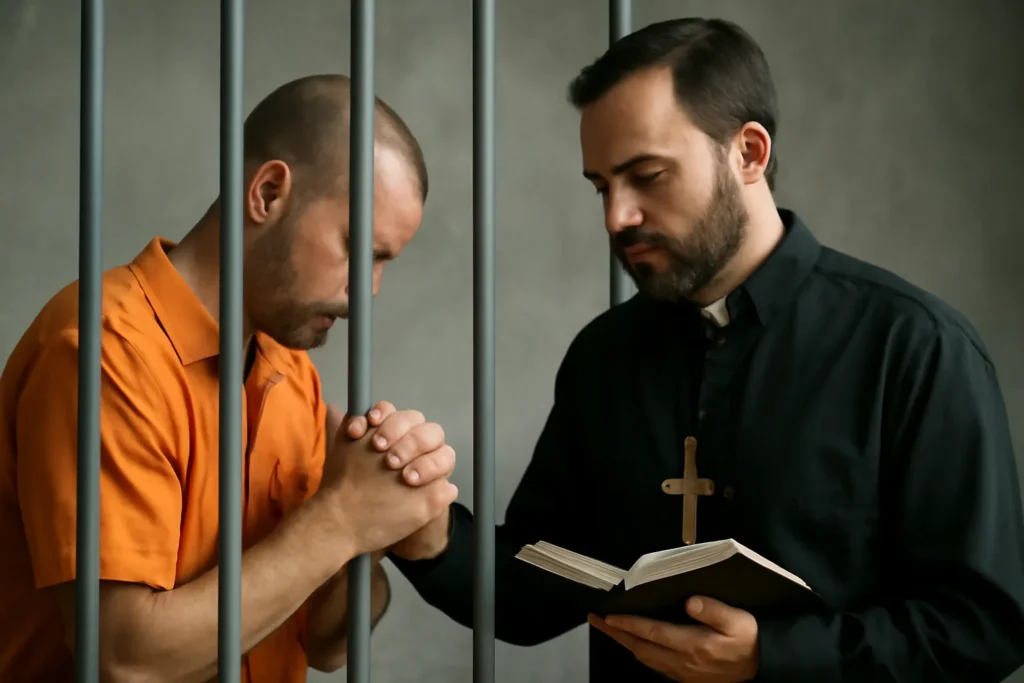
Christian Prison Ministry: Outreach and Restoration
In the heart of many faith communities, Christian prison ministry emerges as a dedicated approach to
serving people who are incarcerated and those affected by incarceration. This work seeks not only to offer
spiritual guidance but also to pursue tangible outcomes such as personal transformation, family stability, and
safer, healthier communities. When churches and ministries engage in outreach within correctional facilities,
they join a long tradition of faith-driven service that emphasizes dignity, accountability, and hope. The goal of this
article is to present a thorough overview of prison outreach and restoration-oriented ministry,
outlining principles, practices, and practical steps for those who want to participate in or lead this work.
The phrase Christian ministry to prisoners can take many shapes depending on context, denomination, and
institutional policies. Other commonly used terms within this field include faith-based prison outreach, inmate ministry, church-based correctional ministry, prison chaplaincy, and gospel-centered correctional outreach. Despite the variety of labels, the core aims are aligned:
to share a message of grace and responsibility, to provide mentoring and education, and to help people build a life
that respects themselves, their communities, and their future.
This article explores outreach and restoration as a unified mission. It covers why this work matters, what
effective programs look like, how to measure impact, and how to navigate common challenges. It also considers the
ethical dimensions of serving people in custody and the critical importance of safety, boundaries, and informed consent.
Incarceration presents both a crisis and an opportunity. For many individuals, the prison experience becomes a
turning point—an occasion to reexamine life choices, identify faulty patterns, and seek a new path. The outreach of the church within the walls of detention centers can provide spiritual grounding, lifelong
learning opportunities, and a framework for accountability. There are several compelling reasons why this work is
meaningful:
Spiritual nourishment: Many inmates have deep faith backgrounds or are seeking purpose and meaning after
years of harm, secrecy, or stigma. Faith communities can offer hope, prayer, and perspective grounded in
tradition and grace.
Transformational relationships: Consistent, trustworthy mentor figures can model healthy
relationships, conflict resolution, and responsible decision-making, which are essential for personal growth.
Restorative potential: When programs emphasize accountability and reconciliation with victims and
communities, there is potential for genuine restoration that respects hurt and seeks constructive outcomes.
Reduction of recidivism: Evidence from various faith-based models suggests that well-designed
prison outreach, combined with education and counseling, can reduce the likelihood of returning to crime for some
participants.
Family stability: By including families in planning and support, outreach initiatives help preserve or
rebuild family bonds that often break during incarceration.
Outreach within correctional facilities also challenges stereotypes about prisoners and emphasizes the
shared humanity that transcends bars and walls. The practice recognizes that people in custody retain agency, dignity,
and the capacity to change, and it honors the parallel need for accountability and compassion. This balance—between
mercy and responsibility—is a defining feature of prison-focused ministry and a key to its credibility
and effectiveness.
Core concepts and foundations of effective prison ministry
Foundational beliefs and theological drivers
A solid foundation for faith-based prison outreach rests on the conviction that every person is made in the image
of God and worthy of dignity, regardless of past mistakes. This belief often translates into practical practices:
Grace-centered approach: Emphasizing forgiveness, second chances, and the possibility of genuine change.
Holistic care: Addressing spiritual, emotional, educational, and practical needs in tandem.
Volunteer stewardship: Recognizing that trained lay volunteers can carry much of the work with pastoral
oversight and safeguards.
Partnership with correctional staff: Building trust and aligning goals with the institution’s rules and safety
requirements.
Ethical considerations and boundaries
When engaging in prison ministry, teams must navigate boundaries, consent, and safety. Important elements include:
Informed consent: Participants should understand the purpose, scope, and limits of any program, and opt in
voluntarily.
Safeguards and safety protocols: Clear guidelines for interactions, living arrangements, and reporting
concerns to staff and leadership.
Respect for institutional policies: Compliance with facility rules, dress codes, and security procedures is
essential for ongoing access and safety.
Confidentiality with discernment: Protecting privacy where appropriate, while recognizing the need to
report safety concerns or illegal activity according to law and policy.
Across jurisdictions, successful programs often blend several components: formal biblical study, practical life skills,
vocational training, and ongoing mentorship. While the outcomes can vary, typical measures of success include improved
morale, reduced disciplinary incidents within facilities, progress in education, and smoother transition when inmates
later reenter society. A holistic model of ministry prioritizes the person as a whole—mind, heart, and hands—
with a durable emphasis on lasting change.
Core components of effective prison outreach
Spiritual formation and study
The backbone of many inmate ministry efforts is a structured slate of devotional practices, Bible study,
and opportunities for personal reflection. These offerings may include:
Weekly or biweekly bible study groups led by trained lay leaders or chaplains.
Devotional materials and study guides tailored to differing literacy levels and cultural backgrounds.
Opportunities for confession, reconciliation, and spiritual counseling within safe and supervised contexts.
Mentorship and discipleship
Mentorship programs pair inmates with trained volunteers or staff who can model consistent, trustworthy
behavior and provide long-term support. Effective mentorship emphasizes accountability while avoiding coercive
dynamics. It may include regular check-ins, goal setting, and accountability partnerships that persist beyond release
from custody when possible.
Education, vocational training, and life skills
Educational opportunities—from literacy classes to GED programs and higher education pathways—are central
to rehabilitation. In addition, vocational training and life skills coursework equip inmates
with practical tools for employment, budgeting, conflict resolution, and healthy decision-making.
Family and community integration
The ripple effects of incarceration touch families and communities. Ministries that include a family outreach component
help preserve relationships, prepare for reunification after release, and reduce stigma. This can involve family seminars,
child-friendly programming, and coordinated support for housing and child care post-release.
Volunteer recruitment, training, and supervision
A robust volunteer program underpins most prison outreach efforts. Key practices include:
Careful screening and background checks.
Comprehensive training on prison safety, boundaries, and ethical engagement.
Structured supervision by staff or experienced volunteers to ensure quality and safety.
Partnerships with chaplaincies and faith communities
Collaborative work with chaplaincy services and multiple faith traditions can enhance reach and resource sharing
while respecting institutional policies. Interfaith collaboration, when done with mutual respect, can broaden the
audience and strengthen the support network for inmates seeking spiritual growth.
Outreach strategies and models in practice
Outreach programs within correctional settings vary by facility, geography, and population. Some common
models include:
Weekly worship services conducted in partnered spaces that comply with security standards.
Bible study circles that accommodate different literacy levels and language needs.
Mentoring and life skills sessions offered in small groups or one-on-one formats.
Educational tutoring and GED preparation to support academic advancement.
Family liaison programs that coordinate with external support networks to facilitate visits and communication.
These outreach efforts often require careful planning, including scheduling that respects facility routines, clear
safety protocols, and ongoing collaboration with jail or prison leadership. A thoughtful approach blends spiritual, educational, and emotional support to create a comprehensive package that addresses
the person’s needs and aspirations.
Case-management approaches and restorative justice
Some prison ministry initiatives integrate restorative justice principles, focusing on accountability to victims,
reconciliation with communities, and making amends where possible. This often involves facilitated dialogues, victim-offender
panels, and structured plans that help inmates understand the real-world impact of their actions. While restorative
justice is not universally mandated in every jurisdiction, many faith-based programs adopt its ethos to guide
interactions, outcomes, and long-term transformation.
Intercultural competence and inclusivity
Incarcerated populations are diverse in ethnicity, language, religious background, and life experience. Effective outreach
programs recognize this diversity and strive to be culturally sensitive, linguistically accessible, and welcoming to
people of all faiths or no faith. Inclusive ministry respects individual conscience while offering a coherent
framework for growth, accountability, and hope.
Restoration, rehabilitation, and life after release
The restoration of a person who has committed offenses is a complex, multi-year process that often begins
long before release and continues after it. Faith-based approach(es) to rehabilitation emphasize
sustained relationships, practical support, and spiritual grounding. The core components include:
Transitional support: Planning for housing, transportation, healthcare, and daily necessities after release.
Employment pathways: Job coaching, apprenticeship programs, and employer partnerships that promise
fair opportunities for those with criminal records.
Continuity of care: Ongoing counseling, mentorship, and access to religious or spiritual resources.
Addressing trauma and mental health: Evidence-based counseling and support for trauma exposure, anxiety, and depression.
A successful restoration strategy acknowledges the legitimate needs and rights of victims while offering a path forward
for people who have paid their debt and seek meaningful contribution. This dual emphasis—justice for victims and
transformation for the offender—reflects a balanced approach found in many robust correctional outreach programs
rooted in Christian values.
Reentry planning and community reintegration
Reentry is a critical phase that requires planning, partners, and resources. Ministries that focus on reintegration provide:
Pre-release planning with case managers, service providers, and faith-based supporters.
Housing assistance, including transitional housing or subsidies where feasible and appropriate.
Continued spiritual formation and peer support groups to sustain motivation and accountability.
Family reunification services and counseling to rebuild trust and communication.
Measuring impact and accountability
To maintain credibility and maximize effectiveness, prison ministry programs should include
evaluation mechanisms. While the exact metrics may vary, effective programs commonly track:
Participation and retention in programming over time.
Behavioral outcomes such as reduced rule violations or disciplinary incidents.
Post-release employment and housing stability.
Recidivism indicators when data access allows for longer-term follow-up.
Transparent reporting and independence are also important. Programs should be prepared to share outcomes with sponsoring
churches, institutional partners, funding bodies, and, where appropriate, the wider community. Regular audits, peer review,
and adherence to safety policies help ensure that the work remains respectful, effective, and sustainable.
Christian prison ministry, like any social enterprise with vulnerable populations, faces a range of challenges. Some
of the most common include:
Access limitations and varying institutional policies that can limit program frequency or scope.
Funding constraints and the reliance on volunteers, which can affect consistency and quality.
Safety risks and the need for comprehensive training, supervision, and risk management.
Public perception and the potential for stigma, which requires thoughtful communication and evidence of
positive outcomes.
Ethical tensions between sharing faith and respecting secular governance within correctional settings.
Ethical practice in church-based prison outreach also includes thoughtful boundaries around
personal disclosures, sexual and power dynamics, and the protection of vulnerable participants. Leaders should cultivate
a culture of humility, accountability, and ongoing learning, recognizing that the path to restoration is not linear and
may involve setbacks. Collaboration with professional counselors, social workers, and correctional staff can help teams
navigate gray areas with integrity.
Case studies and stories: learning from real-world experiences
Across regions, there are many ministry-to-prison stories that illustrate both the potential and the careful
stewardship required in this field. While preserving confidentiality, some summarized patterns emerge:
Story of transformation: An inmate engaged in a Bible study and mentoring program sustained
participation through release planning, secured steady employment, and reestablished contact with his children,
demonstrating how restoration-oriented ministry can impact multiple life domains.
Family-centered impact: A church partnership created post-release family support networks that
focused on housing stability and parenting classes, leading to improved family cohesion and reduced stress on
caregivers outside the facility.
Educational success: A tutoring initiative helped several inmates earn GED credentials, opening doors to
further education or job opportunities and reinforcing the value of education-based rehabilitation.
Genuine case studies can be powerful for demonstrating impact, yet they must be told with care and respect for all
involved. They also highlight the importance of long-term support, as the benefits of prison outreach often unfold
gradually rather than immediately.
Getting started: steps for churches and volunteers
If your faith community is considering engaging in prison outreach or expanding existing efforts, here is a practical
roadmap:
Assess readiness: Evaluate security policies, available facilities, and community interest. Clarify
mission scope, desired outcomes, and risk management plans.
Build partnerships: Connect with the facility’s chaplaincy team, prison administrators, and other
faith communities to understand needs and align expectations.
Develop a program plan: Outline activities (worship, study, mentorship, education), volunteer roles,
safety protocols, and evaluation methods.
Recruit and train volunteers: Select people with the right character, provide comprehensive
training on boundaries, confidentiality, and security, and establish supervision structures.
Ensure oversight and accountability: Create leadership roles, reporting processes, and regular
reviews to maintain quality and safety.
Launch with grace and humility: Begin with a pilot phase, gather feedback from participants and staff, and iterate.
Beyond launching, sustaining a healthy program requires ongoing support from your church leadership, coordinated
communications with stakeholders, continuity plans for volunteers, and a transparent approach to funding and impact.
Training and resource considerations
Volunteer training should cover practical skills (communication, conflict de-escalation, cultural competence) as well as
spiritual discernment and pastoral care. Resources to consider include:
Curricula for Bible study, life skills, and trauma-informed care.
Safety guides outlining appropriate behaviors, boundaries, and reporting procedures.
Mentor handbooks with expectations, scheduling templates, and evaluation forms.
Partnership agreements that codify roles, responsibilities, and shared goals with the facility.
Resources, networks, and ongoing learning
To sustain and grow Christian prison ministry, many communities benefit from connecting with
established networks, training opportunities, and shared resources. Some avenues include:
National or regional correctional ministries consortiums that offer guidance, policy updates, and best practices.
Chaplain networks and professional associations focused on spiritual care in correctional settings.
Educational webinars and seminars on restorative justice, trauma-informed ministry, and reentry planning.
Grants and fundraising collaboratives to support program development, staff training, and aftercare services.
Building a robust knowledge base helps your ministry stay responsive to changes in policy, shifts in inmate populations, and
evolving best practices. It also strengthens the credibility of your outreach when communicating with donors, church members,
and correctional leadership.
In all of this, remember the enduring message that outreach and restoration go hand in hand. When
faith communities offer practical resources, moral support, and spiritual guidance, they participate in a process of
healing that acknowledges harm, honors victims, and invites the possibility of a new beginning for those who have
sinned and those who have suffered as a result.